Life & Culture
After the Trend Cycle Ate Goth, What’s Left of the Subculture?
lack lace has become seasonal content. Goth musicians, club regulars and independent makers argue that the culture survives wherever belonging still requires time.

Text

Noah Cruz

The algorithm knows exactly what goth looks like. It can identify black lace, bleached brows, platform boots and a severe mouth before the person wearing them has named a single band. In August, nss asked what it means to be goth in 2026, at a moment when the answer seems to be everywhere: on runways, in beauty tutorials, inside celebrity styling and across an endless supply of moodboards.

The trend cycle has won a strange kind of victory. It can reproduce the wardrobe instantly. What it cannot reproduce so easily is the slow infrastructure behind it: the record collection, the club night that becomes a weekly habit, the shop where staff know the regulars, the clothes altered after midnight, or the friendships that survive several generations of the same comeback.

The look arrived before the listener

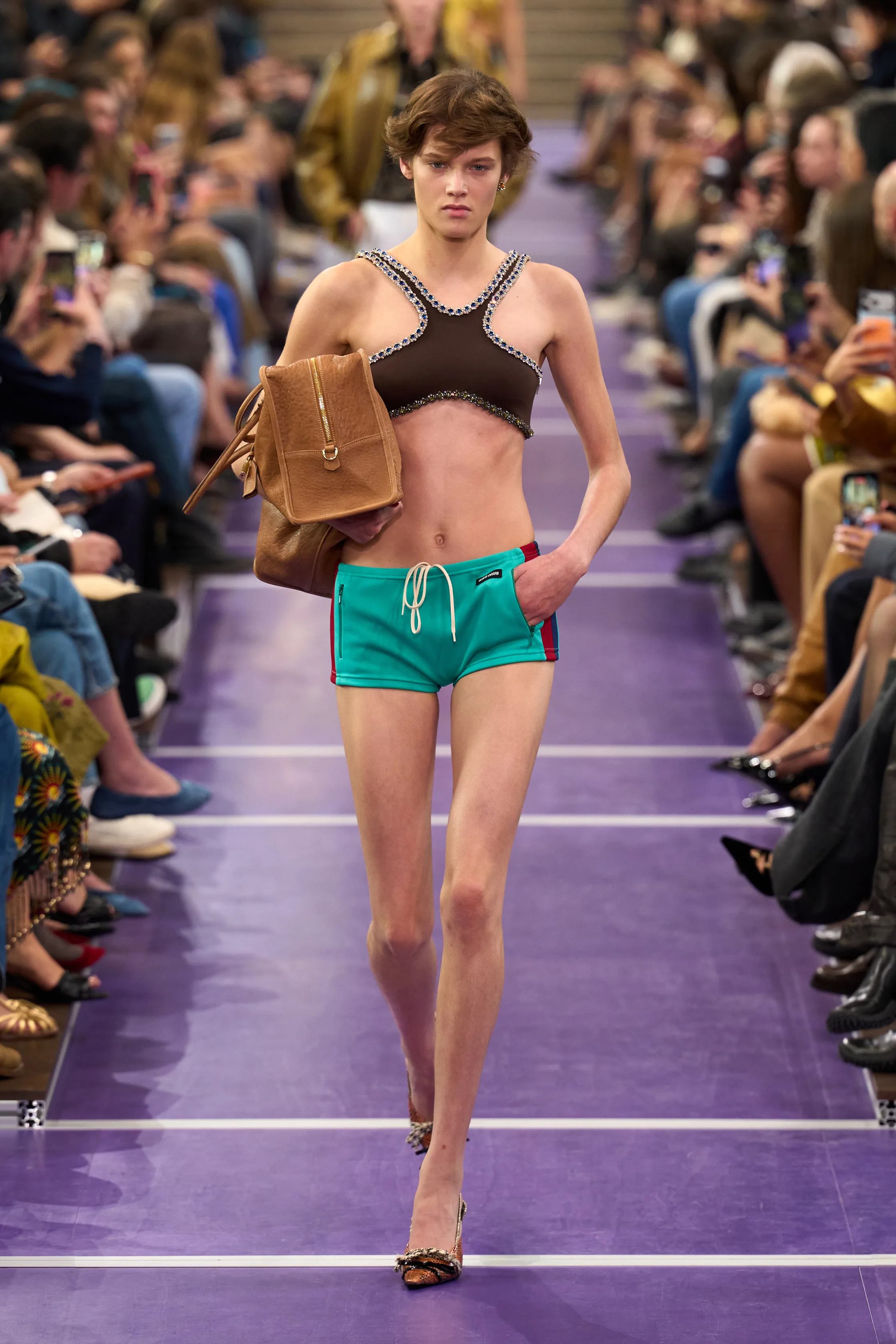
Fashion has always treated subculture as a research department it does not have to fund. The goth vocabulary is especially easy to quote because it is so legible: Victorian references, devotional jewellery, distressed leather, translucent black layers and make-up designed to make the face look more constructed, not more natural. For Spring/Summer 2026, collections by Dilara Findikoglu and McQueen made darkness feel less like an interruption than a shared grammar; Ann Demeulemeester’s Pre-Fall collection folded in Victorian romance and archive references.

Borrowing is not the scandal. Goth itself was assembled through borrowing—from post-punk, glam, horror, Romantic literature, fetishwear, cabaret and the private inventions of people without a clothing budget. The difference is speed. A platform can now detach one recognisable sign from all those relationships, name it, sell it and replace it before anyone has had time to ask where it came from.

The result is an identity that behaves like a filter. “Goth,” “emo,” “punk,” “grunge” and “alt” collapse into neighbouring search terms, useful precisely because their histories no longer have to be explained. A black corset can be gothic for one post, coquette for the next and simply “night-out” by Friday. The garment moves; the commitment does not have to.

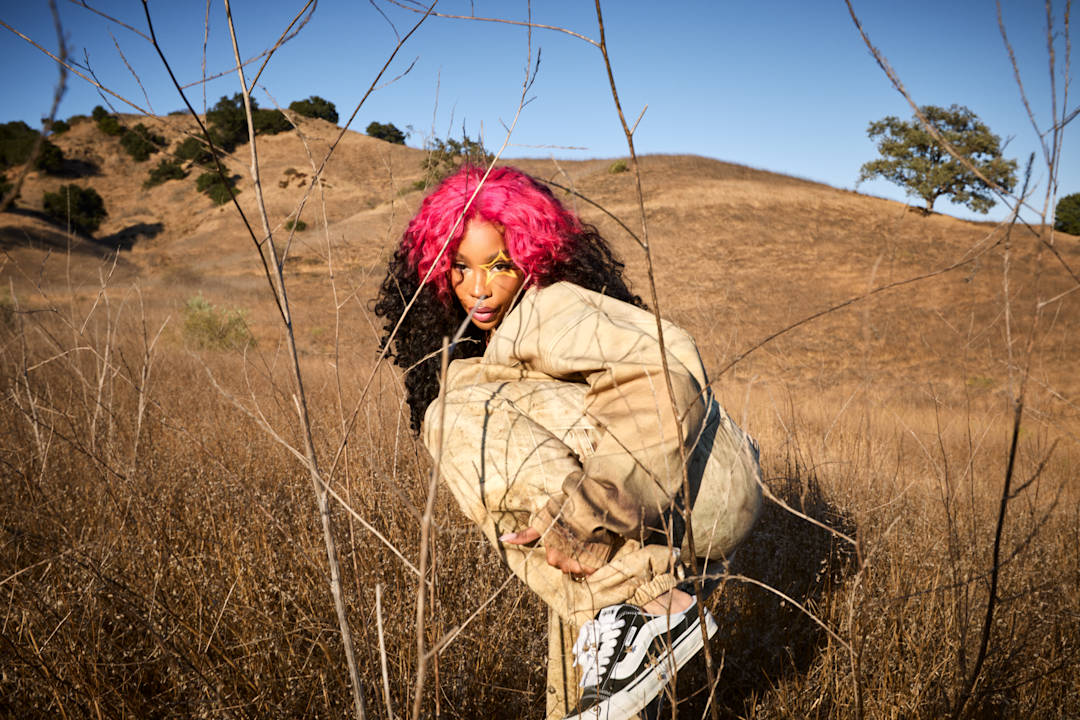
Studio portrait showing familiar contemporary goth styling codes
Two Wave-Gotik-Treffen visitors in coordinated blue and black outfits in Leipzig

A scene is something you return to

A subculture is not proven by suffering, purity or a minimum number of obscure records. It becomes real through repetition. You go back to the same room. You learn who makes the flyers, who works the door, which song clears the bar and fills the floor. You notice when a venue closes. You help another person repair a zip. The scene is made from small acts that are boring to document and impossible to purchase as a complete look.

That distinction is visible in current club language. Black Planet’s forthcoming CLIMAX night in Berlin explicitly rejects becoming a cheaper copy of the 1980s. Its proposition is contemporary—darkwave, EBM and industrial in a raw warehouse, with an awareness team, a no-camera floor and a queer-feminist code of conduct. Some of those rules will sound strict. But together they describe something a moodboard cannot: how people are expected to inhabit a room with one another.

At the Leeds Festival of Gothica this year, the testimonies collected by People’s History of Leeds were similarly expansive. Attendee Holly resisted the assumption that goth style requires a narrow musical taste. Candia McKormack, who formed Inkubus Sukkubus in 1989, described the scene as something that swells and recedes while its community persists. Their answers disagree around the edges, which is exactly what living cultures do.

A Leipzig tram-stop sign listing a special Wave-Gotik-Treffen route

A temporary tram route for Wave-Gotik-Treffen: a subculture made visible as civic infrastructure. Photograph: Roy Zuo.

Music still does the sorting

The clearest boundary is also the least photogenic: sound. Goth emerged from late-1970s and early-1980s post-punk, and its musical history gives the clothes somewhere to point. When The Cure co-founder Lol Tolhurst published Goth: A History, he rejected the idea that a wardrobe could define it. His wider definition was philosophical, built around interior life and the ability to place love and death inside the same song.

“It’s not really a fashion.”

Lol Tolhurst, speaking to the Associated Press

That does not mean a correct playlist should function as border control. Berlin trio Dina Summer offer a better model of musical belonging. In a June interview with Spontis, Dina traced her route from horror films and The Cure to DJing, then refused the demand to choose between goth and disco. Max described darkness, emotional intensity and consistency of expression as the connection. The scene appears here as a lineage of listening, but not a uniform.

Music matters because it resists the frozen image. A song unfolds in time. A set forces unlikely records into conversation. A dance floor asks the body to do something other than pose. The look may bring someone to the door, but sound is what turns an encounter into memory.

Molllust drummer performing beneath blue light at Wave-Gotik-Treffen

The clothes have to survive the night

The strongest independent designers working around nightlife understand that clothing is infrastructure too. In a recent FADER interview, Official Rebrand’s MI Leggett described nightlife as a testing ground and argued for clothes that can work in both a library and a club. The label is not exclusively goth, but the principle is relevant: a scene garment earns meaning through use, repair and recognition, not simply through resemblance.

Even retail can reveal the difference between a seasonal theme and a culture. New York’s Gothic Renaissance has sold alternative clothing year-round since 1999. When Vogue visited the store, its staff spoke less about conversion rates than diehard regulars, shared histories and the warmth of a place built for people who feel like outliers elsewhere. The products matter, but the return visit matters more.

What fast fashion copies is the silhouette of labour: hand distressing without the hands, customisation without the conversation, patina delivered new. The handmade detail refuses that flattening. It records the hours spent attaching, cutting, dyeing and adapting. It may look spectacular online, but it was made to have a life after the picture.

Gothic fashion portrait against monumental urban architecture

The visual code travels faster than the history attached to it. Photograph: Rhe Nevia.

Gatekeeping is the bruise, not the cure

When an identity is endlessly copied, the instinct to defend it is understandable. The language of “real goth” and “poser” promises a clean border between participants and tourists. But that border can quickly reproduce the exclusion the scene was meant to offer shelter from—especially when authenticity is measured through expensive clothes, inaccessible clubs or knowledge acquired before a younger person was born.

In a 2023 study of TikTok, Trad Goth and commodification, sociologist Laila Kennedy found that digital gatekeeping was often more explicit than its in-person equivalent. She also found that fragmentation and hybridisation could help goth evolve through repeated waves of commercialisation. In other words, anxiety about dilution is part of the culture’s survival story, but policing is not the same thing as preservation.

A useful boundary asks for participation rather than perfection. Listen beyond the track used in the reel. Pay the artists. Respect the room. Learn why a symbol matters before turning it into decoration. Add something—music, care, labour, attention—instead of treating the scene as a free archive of poses. Access to the look can be an entrance; it becomes extractive only when the entrance is mistaken for the entire house.

The algorithm can copy a silhouette.
It cannot manufacture a scene.

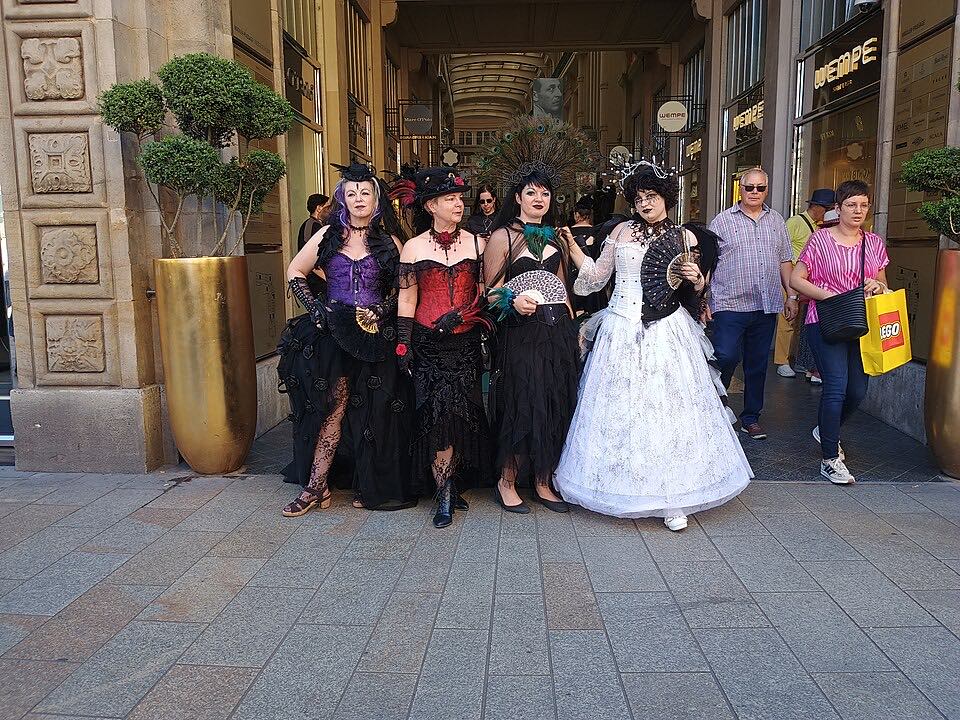
A group of visitors in individual alternative styles posing at Wave-Gotik-Treffen 2026

What the feed cannot keep

The fashion cycle will move on because moving on is its job. Black lace will thin out on the runway; another archive will become the next “core”; the search term will cool. None of that proves goth is dead. It only proves that visibility and vitality are different measurements.

What remains is less coherent and more demanding than an aesthetic. It is old records and new hybrids, strict rooms and generous ones, inherited references and private inventions. It is a musician refusing a genre box, a regular coming back after the trend has gone, and a designer making something sturdy enough to dance in.

After the cycle has eaten goth, what is left is not a pure version waiting to be authenticated. It is a set of people still making a place for darkness—together, repeatedly, and after the camera turns away.

Get Frenzy straight to your inbox!
Life & Culture
After the Trend Cycle Ate Goth, What’s Left of the Subculture?
lack lace has become seasonal content. Goth musicians, club regulars and independent makers argue that the culture survives wherever belonging still requires time.

Text

Noah Cruz

The algorithm knows exactly what goth looks like. It can identify black lace, bleached brows, platform boots and a severe mouth before the person wearing them has named a single band. In August, nss asked what it means to be goth in 2026, at a moment when the answer seems to be everywhere: on runways, in beauty tutorials, inside celebrity styling and across an endless supply of moodboards.

The trend cycle has won a strange kind of victory. It can reproduce the wardrobe instantly. What it cannot reproduce so easily is the slow infrastructure behind it: the record collection, the club night that becomes a weekly habit, the shop where staff know the regulars, the clothes altered after midnight, or the friendships that survive several generations of the same comeback.

The look arrived before the listener

Fashion has always treated subculture as a research department it does not have to fund. The goth vocabulary is especially easy to quote because it is so legible: Victorian references, devotional jewellery, distressed leather, translucent black layers and make-up designed to make the face look more constructed, not more natural. For Spring/Summer 2026, collections by Dilara Findikoglu and McQueen made darkness feel less like an interruption than a shared grammar; Ann Demeulemeester’s Pre-Fall collection folded in Victorian romance and archive references.

Borrowing is not the scandal. Goth itself was assembled through borrowing—from post-punk, glam, horror, Romantic literature, fetishwear, cabaret and the private inventions of people without a clothing budget. The difference is speed. A platform can now detach one recognisable sign from all those relationships, name it, sell it and replace it before anyone has had time to ask where it came from.

The result is an identity that behaves like a filter. “Goth,” “emo,” “punk,” “grunge” and “alt” collapse into neighbouring search terms, useful precisely because their histories no longer have to be explained. A black corset can be gothic for one post, coquette for the next and simply “night-out” by Friday. The garment moves; the commitment does not have to.

Studio portrait showing familiar contemporary goth styling codes
Two Wave-Gotik-Treffen visitors in coordinated blue and black outfits in Leipzig

A scene is something you return to

A subculture is not proven by suffering, purity or a minimum number of obscure records. It becomes real through repetition. You go back to the same room. You learn who makes the flyers, who works the door, which song clears the bar and fills the floor. You notice when a venue closes. You help another person repair a zip. The scene is made from small acts that are boring to document and impossible to purchase as a complete look.

That distinction is visible in current club language. Black Planet’s forthcoming CLIMAX night in Berlin explicitly rejects becoming a cheaper copy of the 1980s. Its proposition is contemporary—darkwave, EBM and industrial in a raw warehouse, with an awareness team, a no-camera floor and a queer-feminist code of conduct. Some of those rules will sound strict. But together they describe something a moodboard cannot: how people are expected to inhabit a room with one another.

At the Leeds Festival of Gothica this year, the testimonies collected by People’s History of Leeds were similarly expansive. Attendee Holly resisted the assumption that goth style requires a narrow musical taste. Candia McKormack, who formed Inkubus Sukkubus in 1989, described the scene as something that swells and recedes while its community persists. Their answers disagree around the edges, which is exactly what living cultures do.

A Leipzig tram-stop sign listing a special Wave-Gotik-Treffen route

A temporary tram route for Wave-Gotik-Treffen: a subculture made visible as civic infrastructure. Photograph: Roy Zuo.

Music still does the sorting

The clearest boundary is also the least photogenic: sound. Goth emerged from late-1970s and early-1980s post-punk, and its musical history gives the clothes somewhere to point. When The Cure co-founder Lol Tolhurst published Goth: A History, he rejected the idea that a wardrobe could define it. His wider definition was philosophical, built around interior life and the ability to place love and death inside the same song.

“It’s not really a fashion.”

Lol Tolhurst, speaking to the Associated Press

That does not mean a correct playlist should function as border control. Berlin trio Dina Summer offer a better model of musical belonging. In a June interview with Spontis, Dina traced her route from horror films and The Cure to DJing, then refused the demand to choose between goth and disco. Max described darkness, emotional intensity and consistency of expression as the connection. The scene appears here as a lineage of listening, but not a uniform.

Music matters because it resists the frozen image. A song unfolds in time. A set forces unlikely records into conversation. A dance floor asks the body to do something other than pose. The look may bring someone to the door, but sound is what turns an encounter into memory.

Molllust drummer performing beneath blue light at Wave-Gotik-Treffen

The clothes have to survive the night

The strongest independent designers working around nightlife understand that clothing is infrastructure too. In a recent FADER interview, Official Rebrand’s MI Leggett described nightlife as a testing ground and argued for clothes that can work in both a library and a club. The label is not exclusively goth, but the principle is relevant: a scene garment earns meaning through use, repair and recognition, not simply through resemblance.

Even retail can reveal the difference between a seasonal theme and a culture. New York’s Gothic Renaissance has sold alternative clothing year-round since 1999. When Vogue visited the store, its staff spoke less about conversion rates than diehard regulars, shared histories and the warmth of a place built for people who feel like outliers elsewhere. The products matter, but the return visit matters more.

What fast fashion copies is the silhouette of labour: hand distressing without the hands, customisation without the conversation, patina delivered new. The handmade detail refuses that flattening. It records the hours spent attaching, cutting, dyeing and adapting. It may look spectacular online, but it was made to have a life after the picture.

Gothic fashion portrait against monumental urban architecture

The visual code travels faster than the history attached to it. Photograph: Rhe Nevia.

Gatekeeping is the bruise, not the cure

When an identity is endlessly copied, the instinct to defend it is understandable. The language of “real goth” and “poser” promises a clean border between participants and tourists. But that border can quickly reproduce the exclusion the scene was meant to offer shelter from—especially when authenticity is measured through expensive clothes, inaccessible clubs or knowledge acquired before a younger person was born.

In a 2023 study of TikTok, Trad Goth and commodification, sociologist Laila Kennedy found that digital gatekeeping was often more explicit than its in-person equivalent. She also found that fragmentation and hybridisation could help goth evolve through repeated waves of commercialisation. In other words, anxiety about dilution is part of the culture’s survival story, but policing is not the same thing as preservation.

A useful boundary asks for participation rather than perfection. Listen beyond the track used in the reel. Pay the artists. Respect the room. Learn why a symbol matters before turning it into decoration. Add something—music, care, labour, attention—instead of treating the scene as a free archive of poses. Access to the look can be an entrance; it becomes extractive only when the entrance is mistaken for the entire house.

The algorithm can copy a silhouette.
It cannot manufacture a scene.

A group of visitors in individual alternative styles posing at Wave-Gotik-Treffen 2026

What the feed cannot keep

The fashion cycle will move on because moving on is its job. Black lace will thin out on the runway; another archive will become the next “core”; the search term will cool. None of that proves goth is dead. It only proves that visibility and vitality are different measurements.

What remains is less coherent and more demanding than an aesthetic. It is old records and new hybrids, strict rooms and generous ones, inherited references and private inventions. It is a musician refusing a genre box, a regular coming back after the trend has gone, and a designer making something sturdy enough to dance in.

After the cycle has eaten goth, what is left is not a pure version waiting to be authenticated. It is a set of people still making a place for darkness—together, repeatedly, and after the camera turns away.

Get Frenzy straight to your inbox!