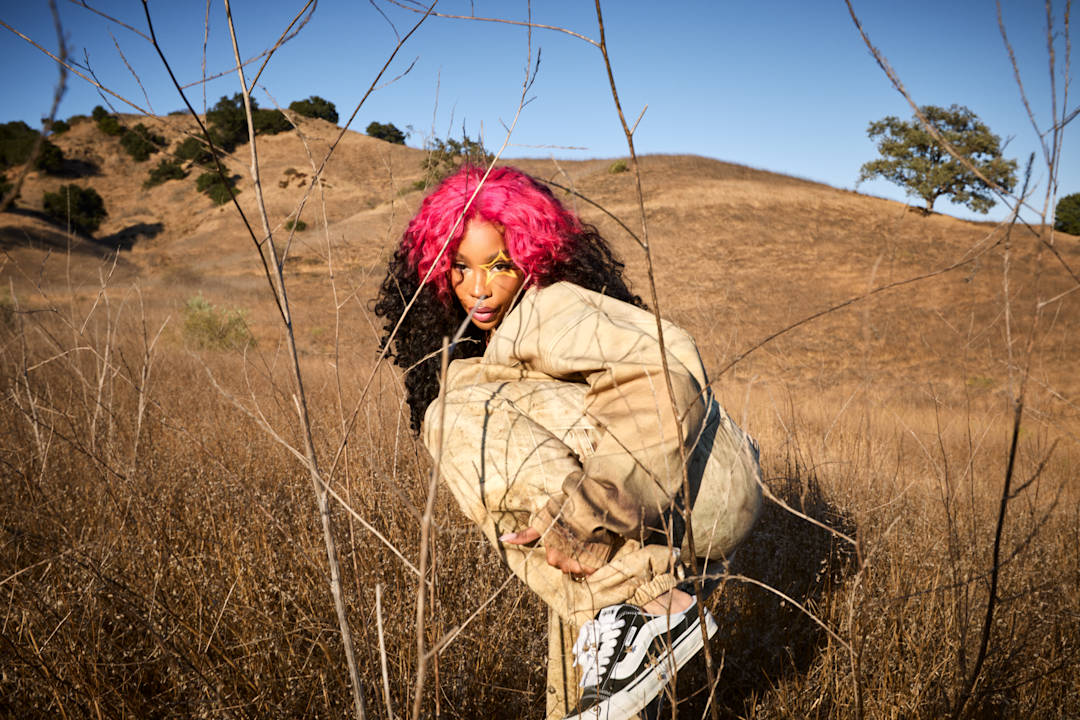
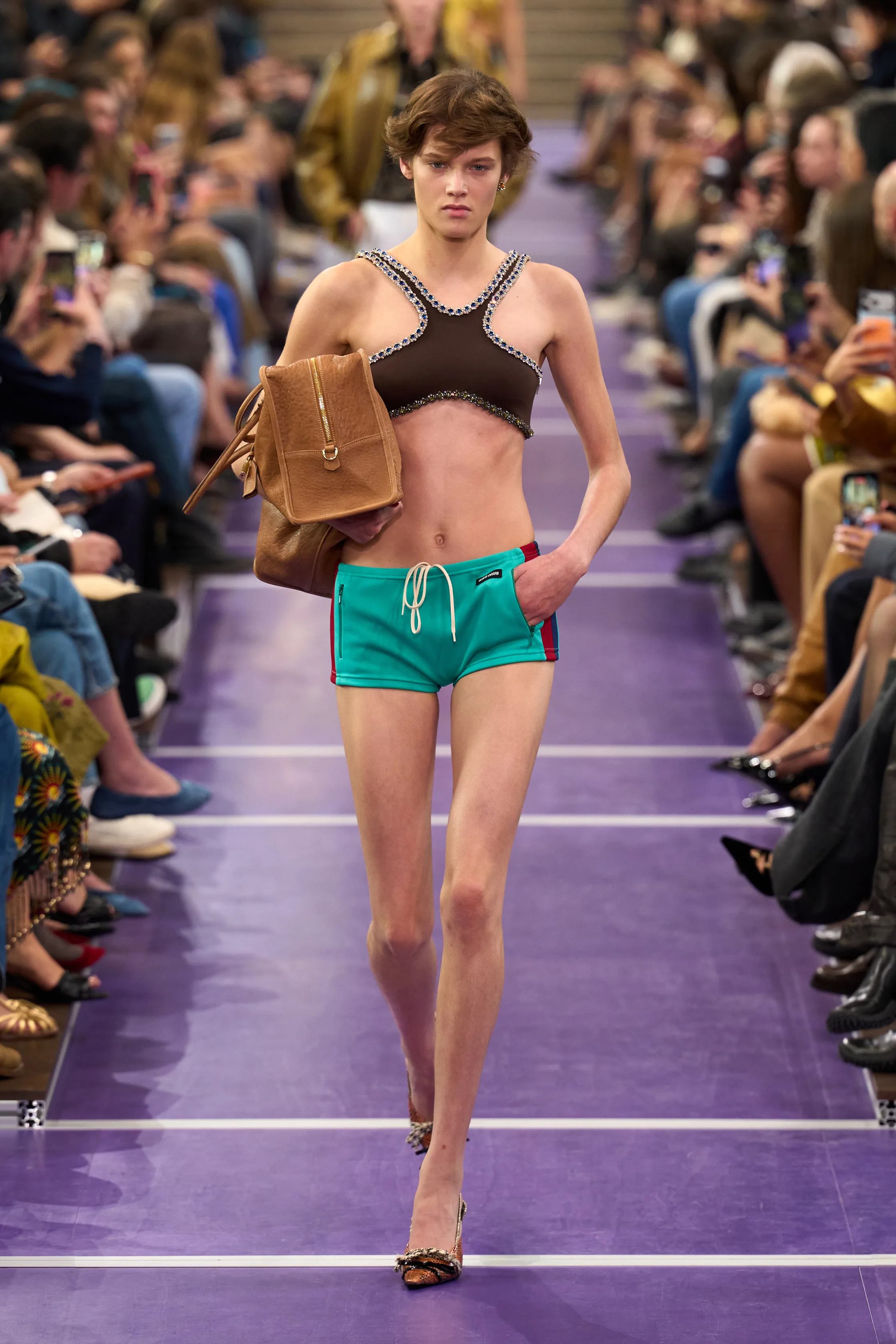
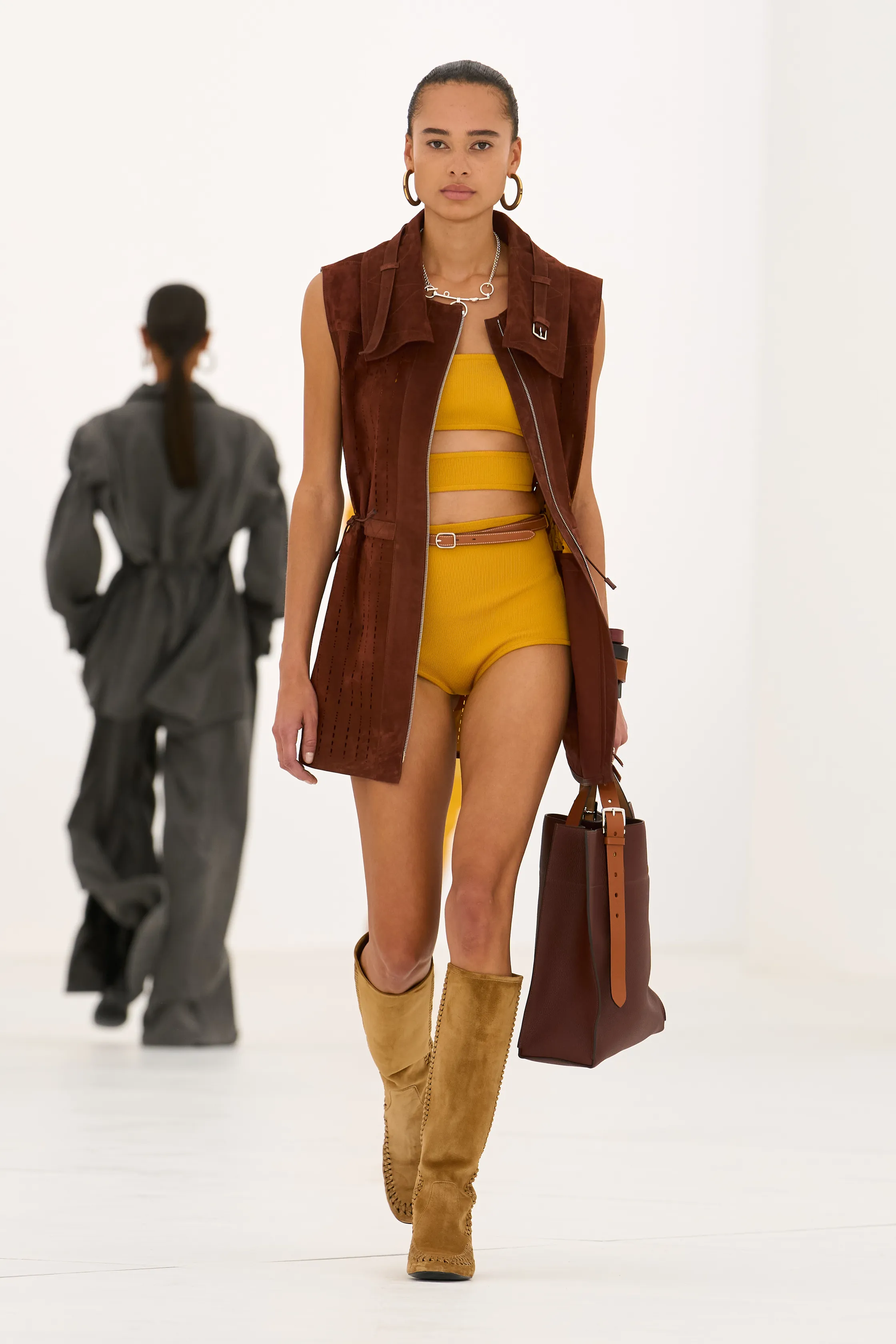
Fashion’s calendar used to pretend that two seasons were enough. Then came pre-fall, resort, holiday, capsules, collaborations and the drop: a steady flow of reasons for the same customer to look again. For an independent label, every new delivery promises visibility. It also resets the bill—for sampling, photography, sales appointments, production and the attention required to explain why more clothes need to exist.
A small but determined group of designers is cutting that machine down to one collection a year. The idea sounds almost suspiciously simple. Its consequences are not. Working annually changes what gets designed, how it is sold and what growth is allowed to mean. The radical part is not producing less. It is building a company that can survive without making novelty its main product.
One wardrobe, twelve months
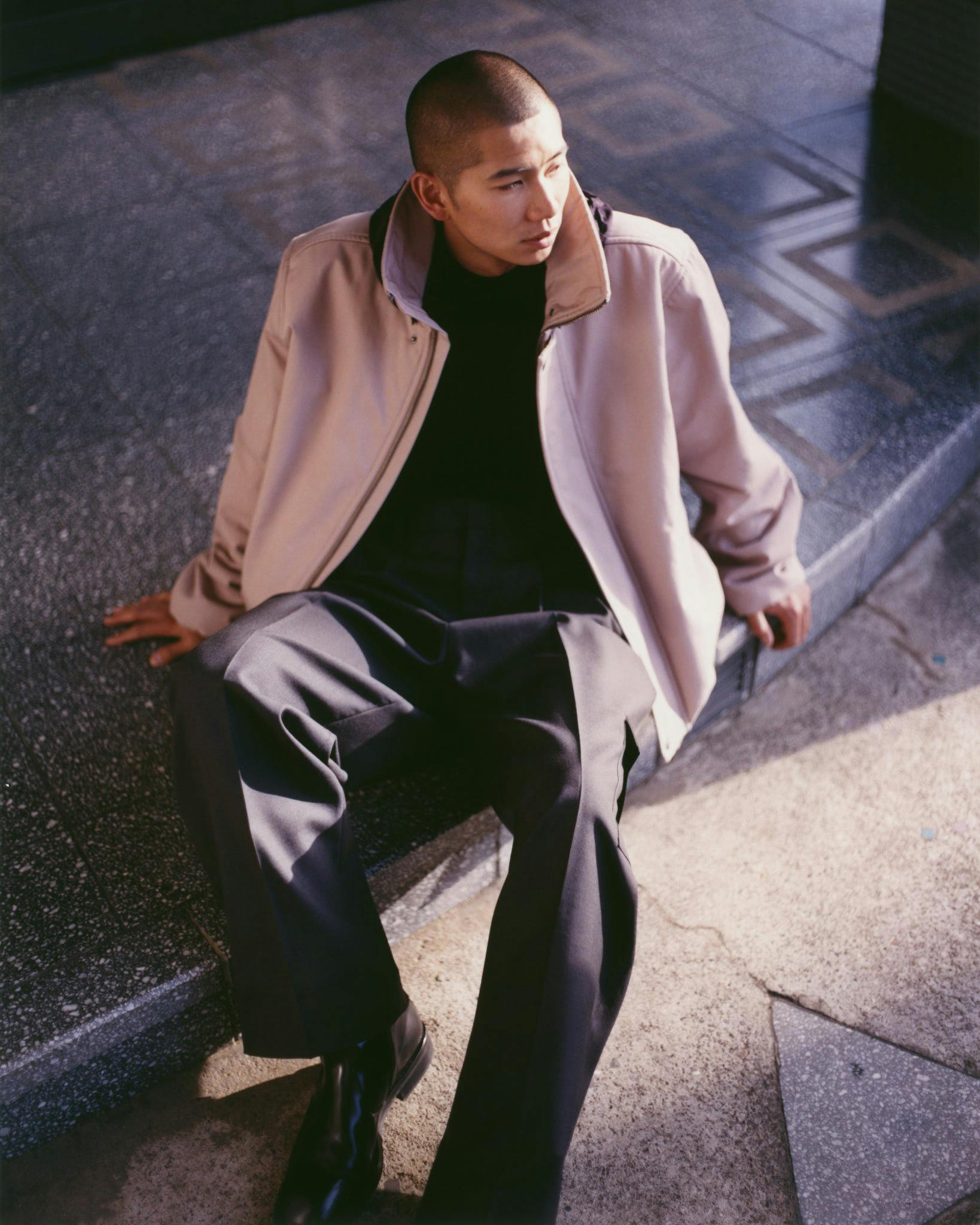
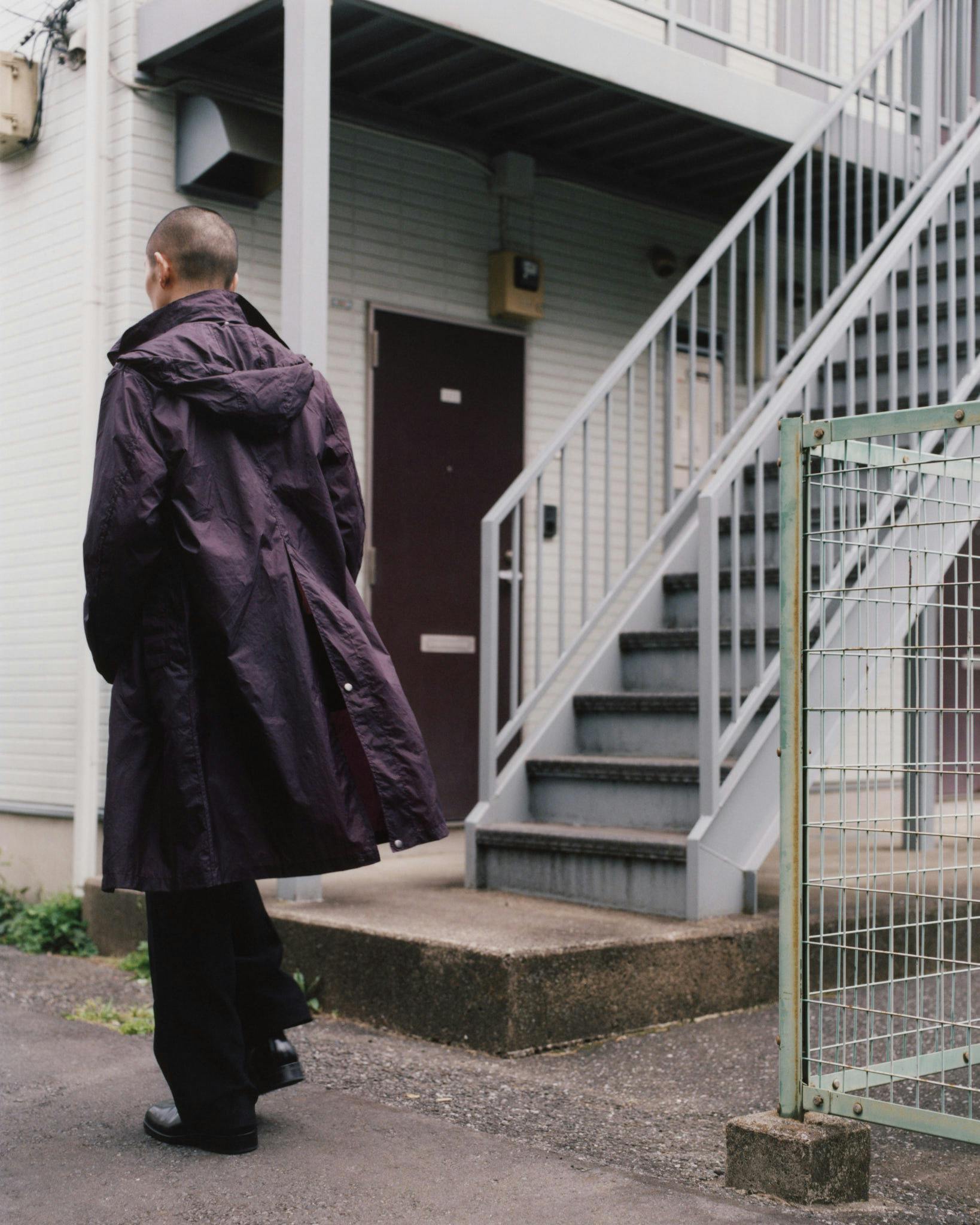
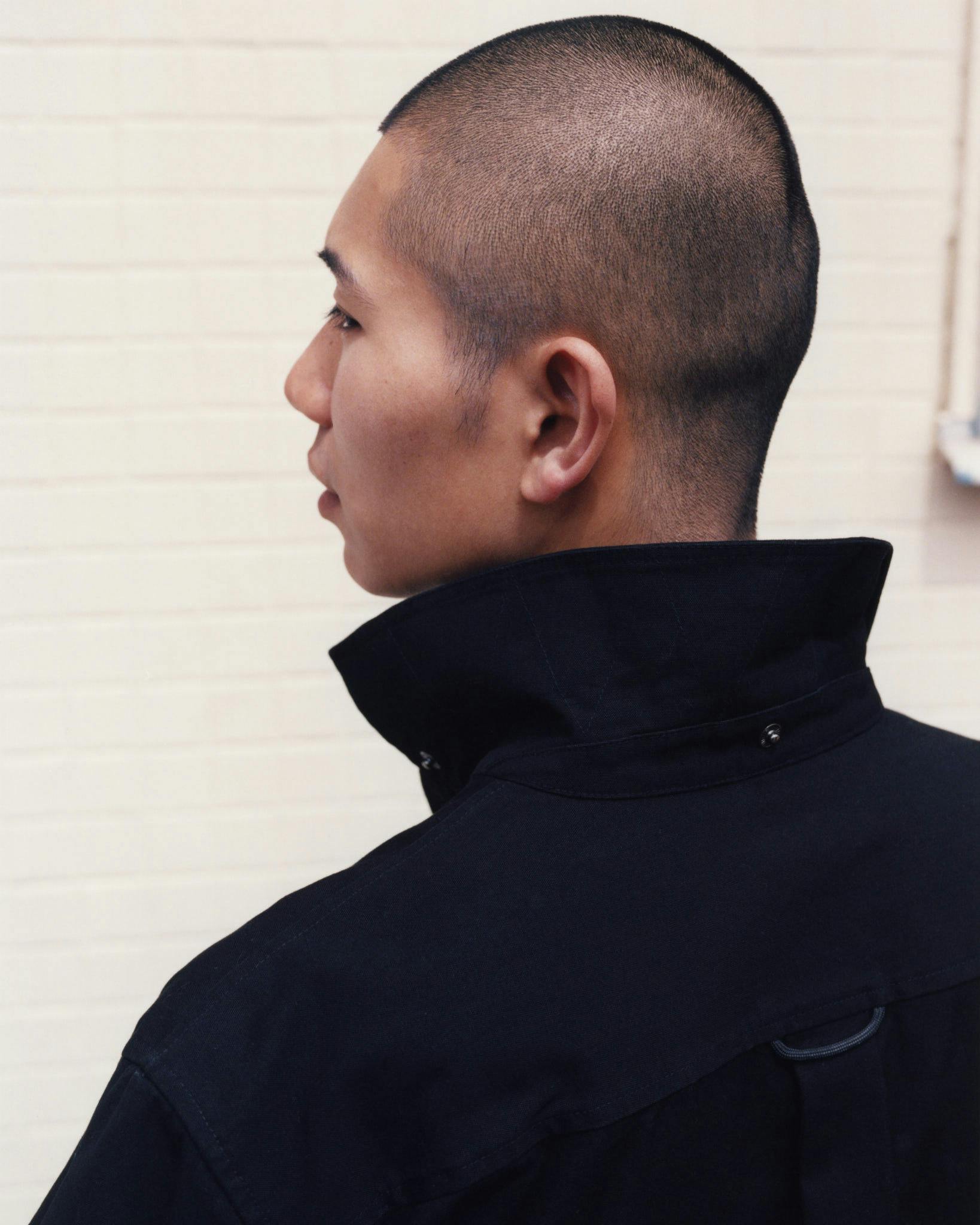
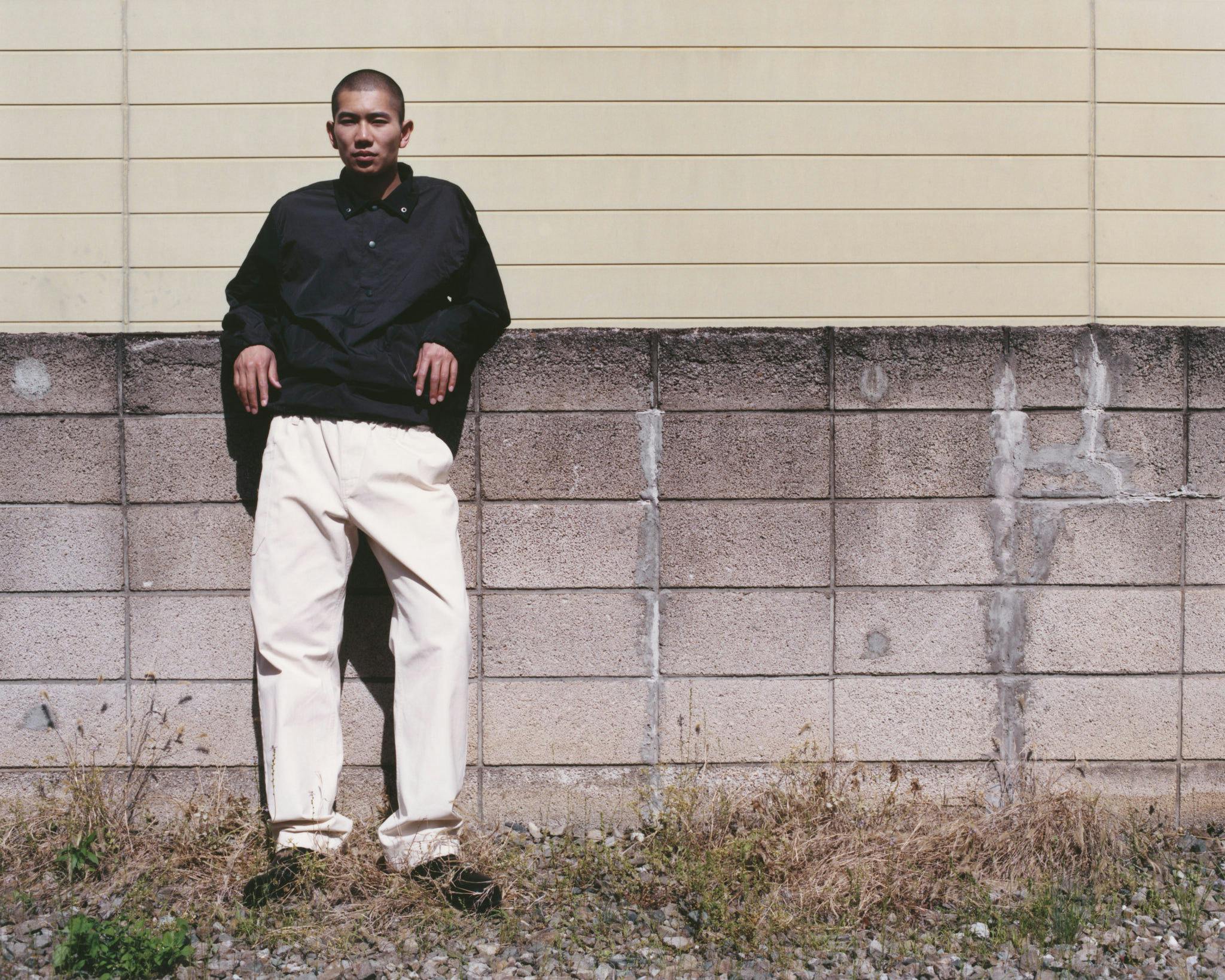
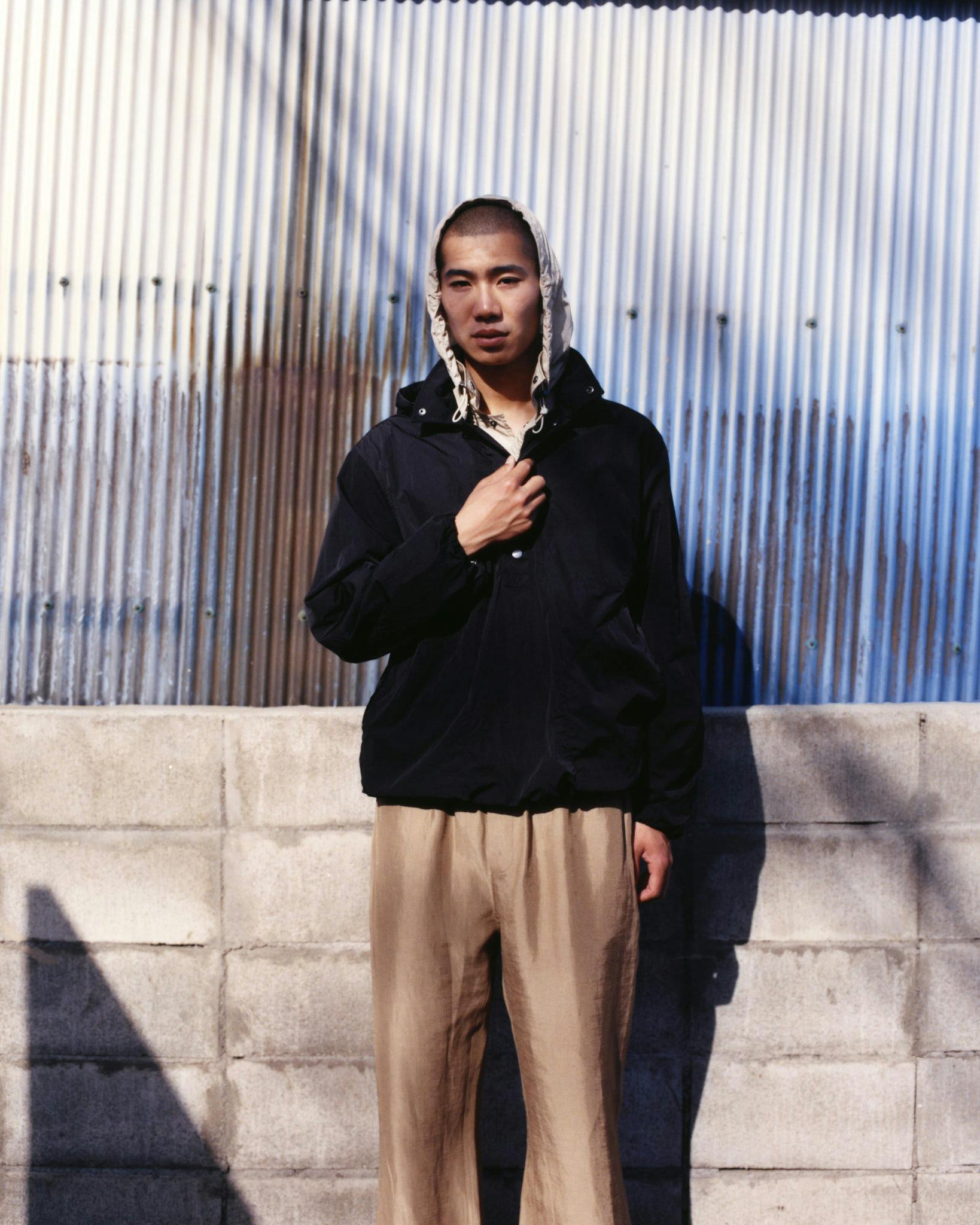
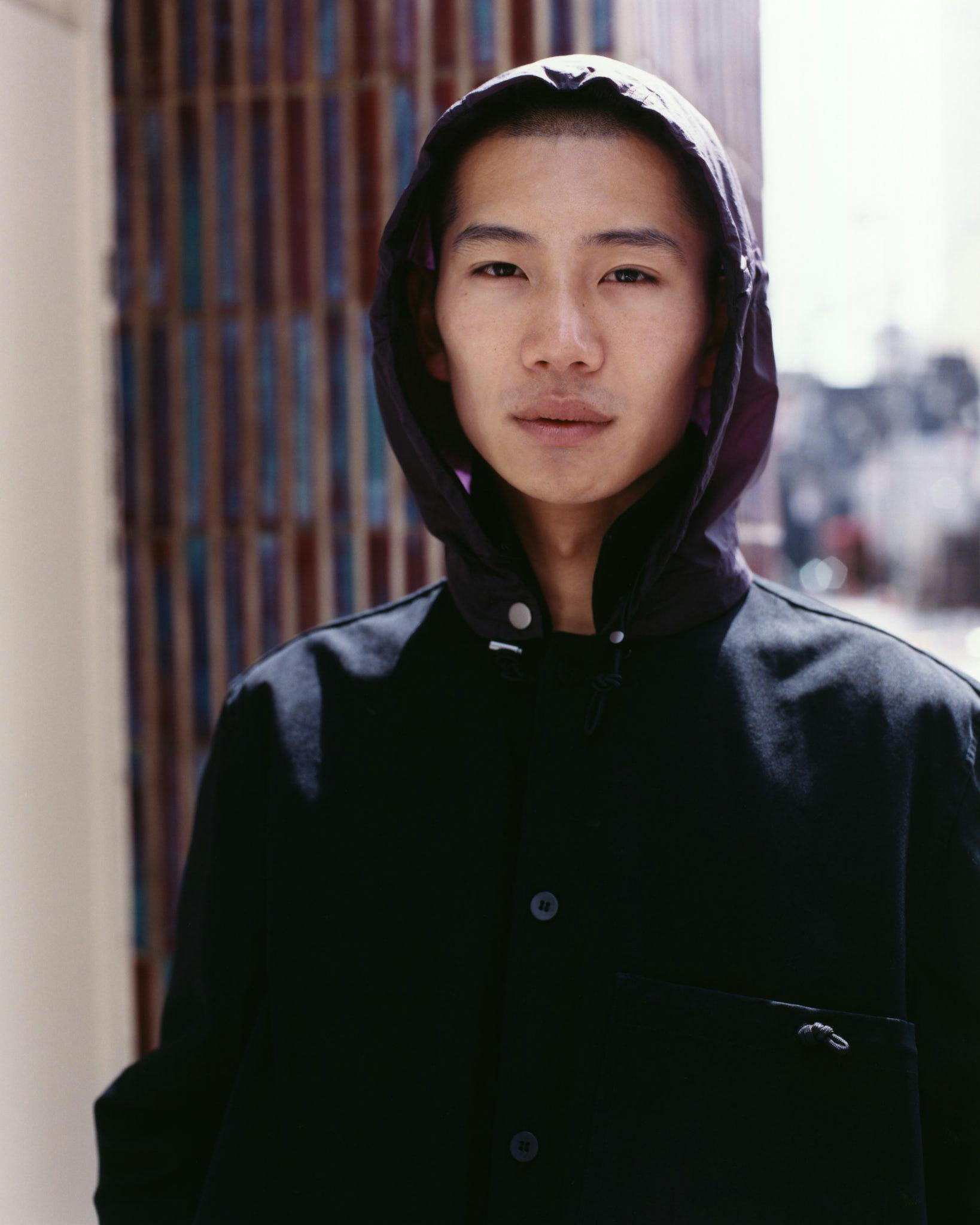
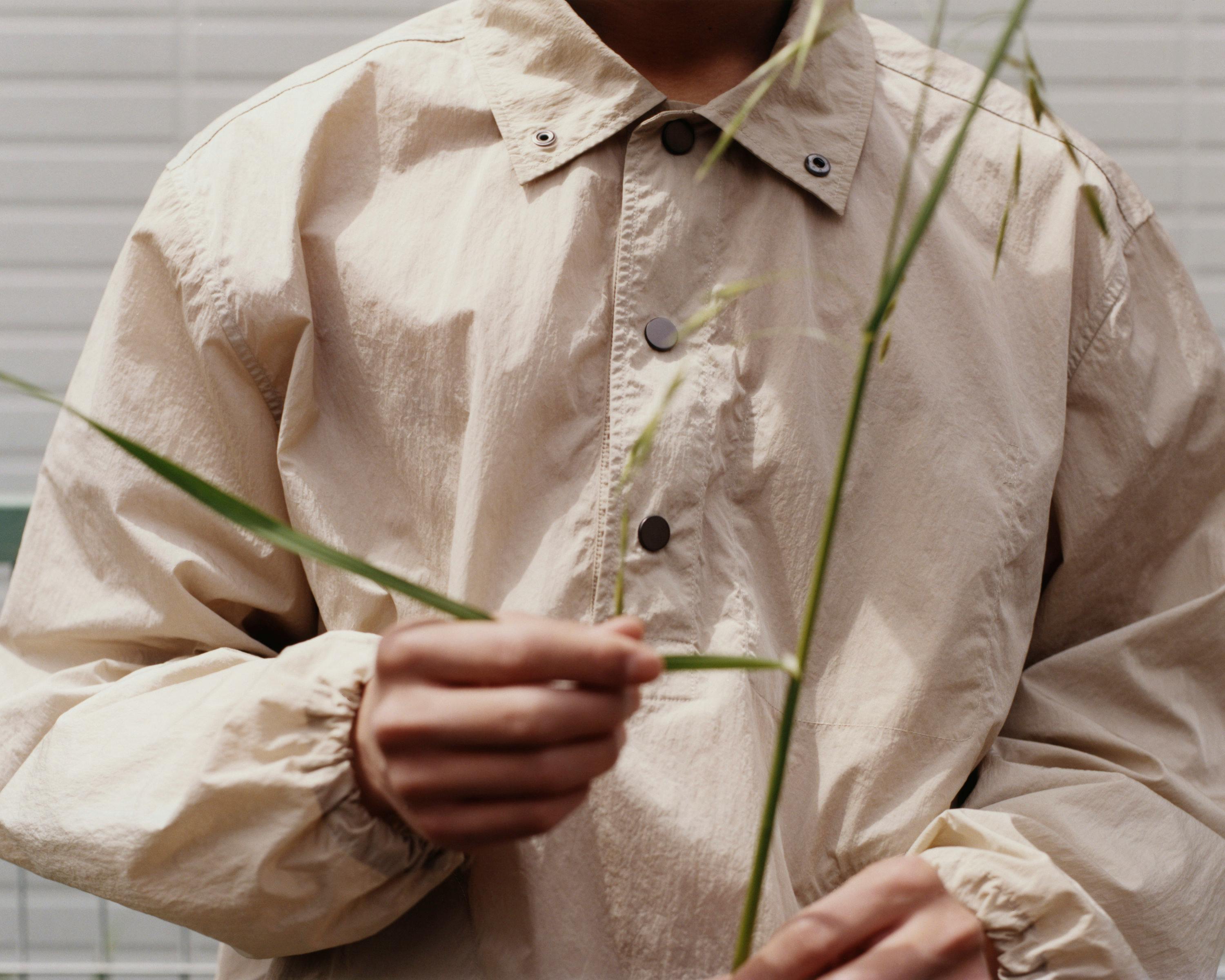
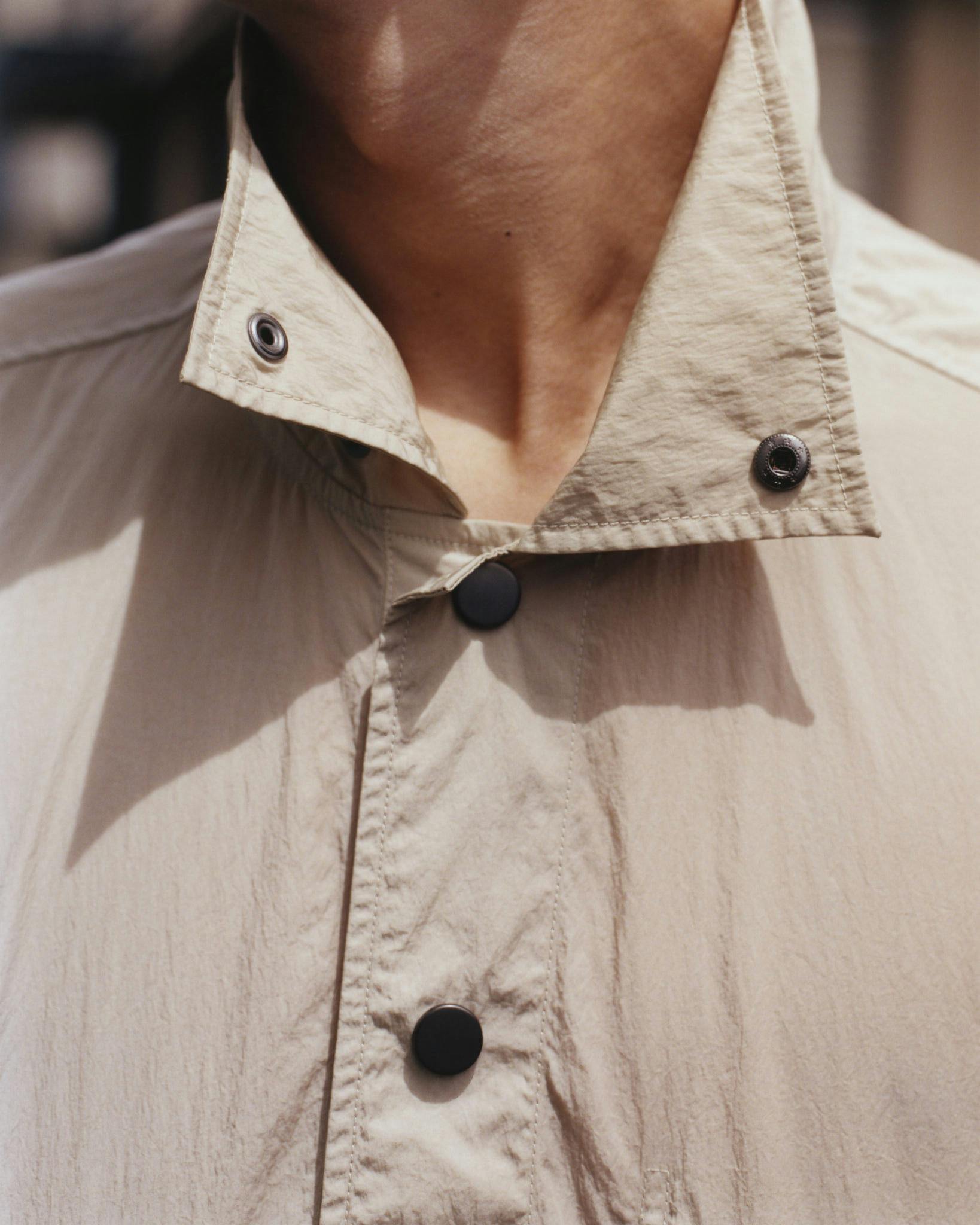
Morrow’s annual wardrobe treats outerwear as equipment, built for movement between Sydney and the coast. Photography: Alex Johnstone.
One collection is not one launch
Ryan Morrow’s Sydney label offers the clearest current version of the proposition. After working as head of design at P. Johnson, Morrow launched his namesake project around the friction between a city suit and a weekend outside it. The pieces have names like Dry Jacket, Fly Anorak and Screen Shirt. Their colours are Bark, Mud and Fern. Builders and carpenters have reportedly worn the jackets on shift. These are fashion clothes that would prefer to be judged as tools.
In Highsnobiety’s recent profile, Morrow describes a modular wardrobe whose shapes can be revised through fabric and construction rather than replaced by a fresh theme. The label is only a year old, but its second annual capsule already demonstrates the method: the silhouette stays recognisable while a treated synthetic becomes cotton-nylon, or a light jacket gains a heavier sibling filled with Australian and New Zealand wadding.
This distinction matters. One collection a year does not mean going silent for eleven months. It means letting the same body of work keep moving—through wear, restocks, new fabrication, shop installations, editorial stories and the gradual accumulation of proof. The collection becomes a vocabulary rather than a deadline.
“It’s almost like I don’t love clothes enough just to make heaps of it.”
Ryan Morrow, speaking to HighsnobietyThe calendar was never neutral
The conventional schedule is not merely a set of dates. It is an operating system connecting buyers, factories, magazines, showrooms and markdowns. Collections arrive early, sell during weather they were supposedly designed for, and are discounted before the season has properly begun. For a young label, participation buys the possibility of discovery. It also requires money to be spent before orders are certain.
That pressure has been visible for years. In an anonymous Glossy interview, an independent designer described leaving the show schedule because the rush was producing costs without a reliable return. The label reduced its output to a single collection of signatures offered in variations. The confession is older; the trap it describes is not.
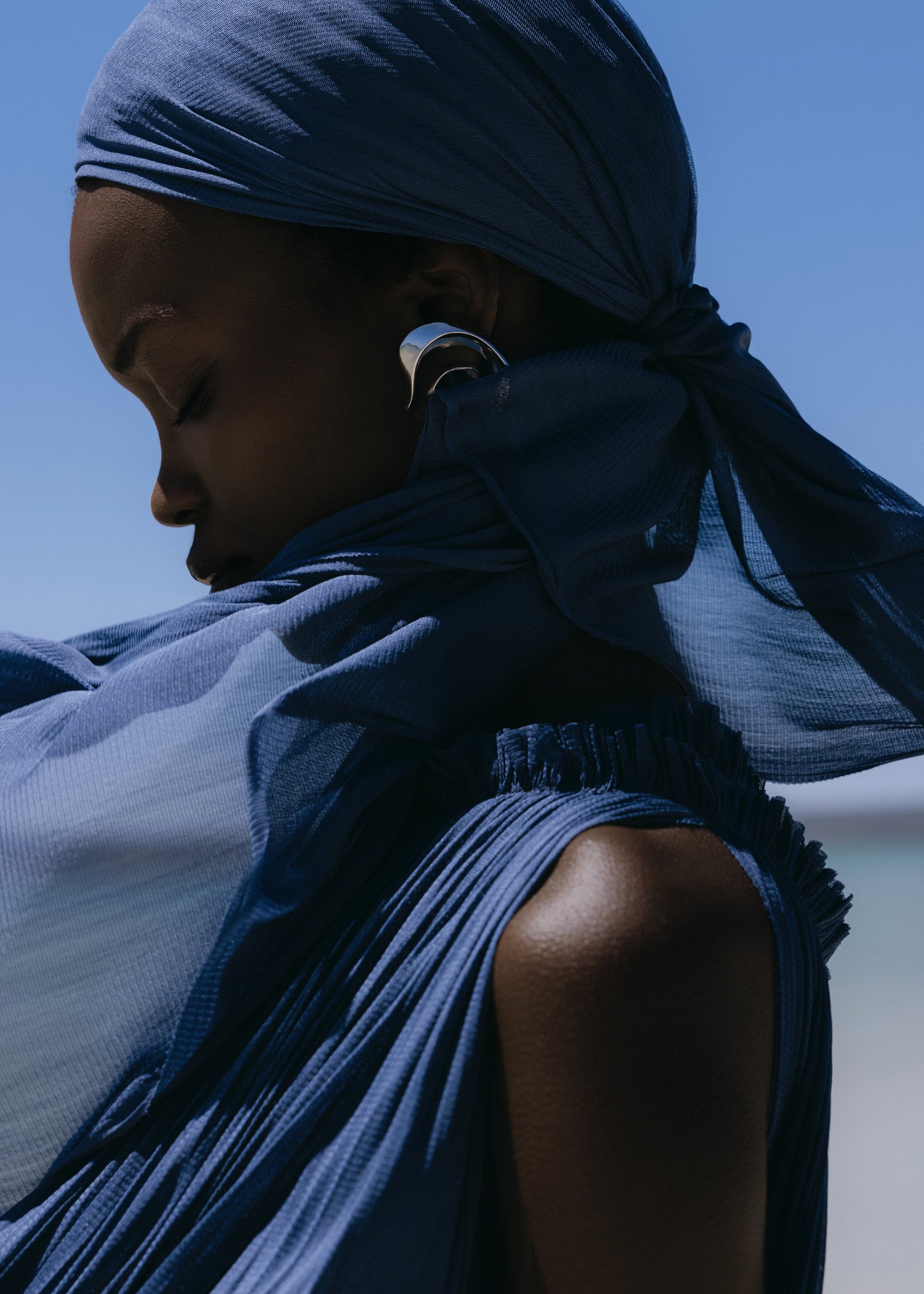
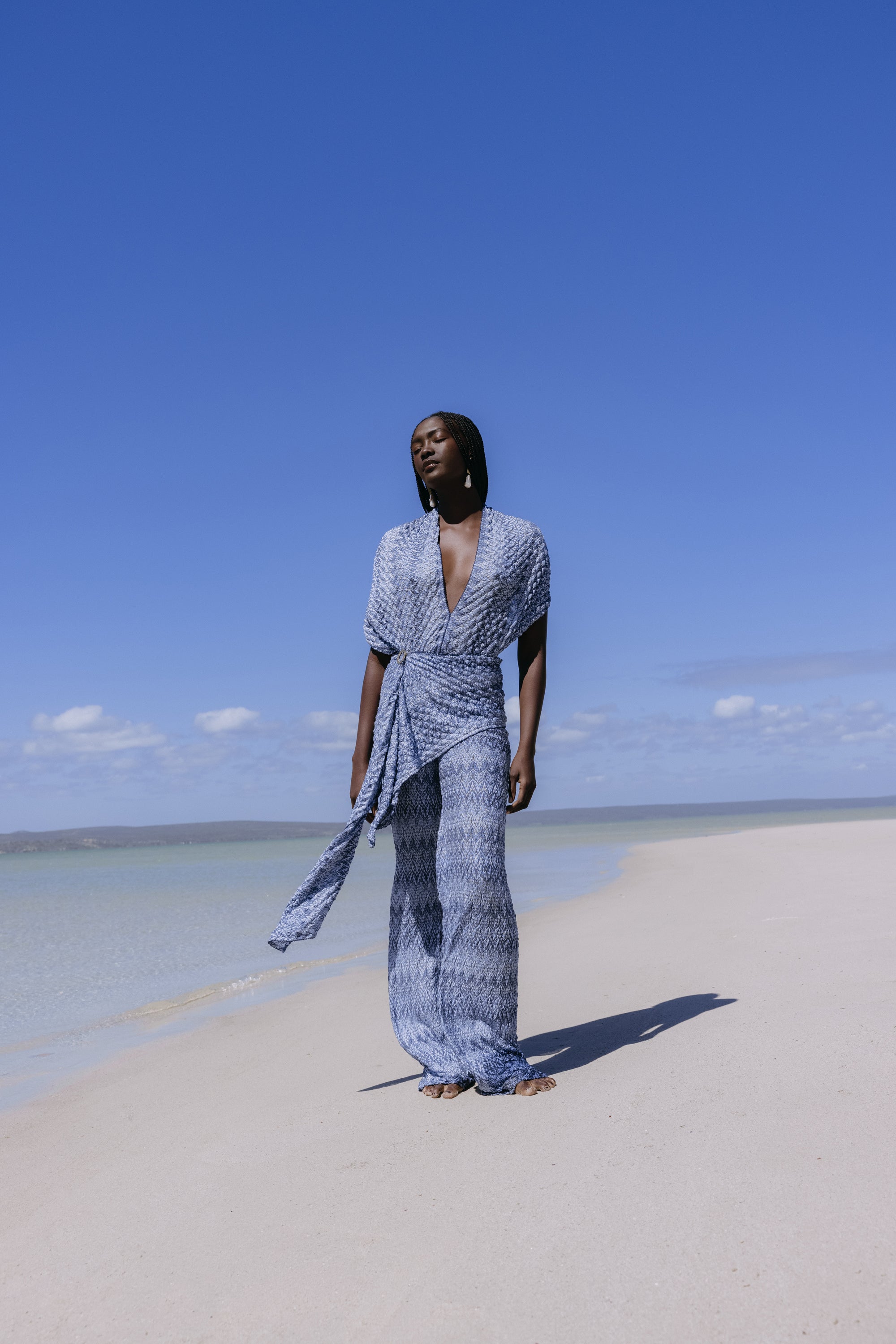
Hanne Bloch makes the refusal explicit. The Danish brand, founded in 2008 and now shaped by Hanne and her daughter Olivia, says that fashion’s traditional seasons have multiplied into nearly six collections a year. Its answer is one limited annual collection developed around colour, material and a specific visual atmosphere. The current collection took more than a year and involved final work with seamstresses in Portugal. Here, slowness is not an aftercare promise. It is scheduled before the clothes exist.
Slow needs a sales system
A reduced calendar only works if it is paired with another way to manage cash and risk. Eve & Max presents one seasonless collection through pre-orders and trunk shows. New York label Gita Omri combines its yearly collection with permanent wardrobe capsules and custom work. These are not just aesthetic preferences. Pre-order turns demand into information before production; custom work converts time and service into value; a permanent capsule gives customers something to buy when no new collection is arriving.
The most convincing evidence comes from businesses that make their limits legible. Paris-based designer Oliver Church produces roughly 200 pieces a year, by hand, from antique and vintage French cloth. In a 2026 interview with 1 Granary, Church explained that ten carefully chosen wholesale accounts were enough to sustain the business and that he has remained at capacity since 2022. He does not solve growth by pretending there are more hours in the day. He declines the order.
This is the less photogenic architecture behind “slow fashion”: controlled distribution, patient retailers, prices that account for labour, and customers willing to wait. Without it, one collection a year is simply a smaller amount of inventory carrying the same financial anxiety.
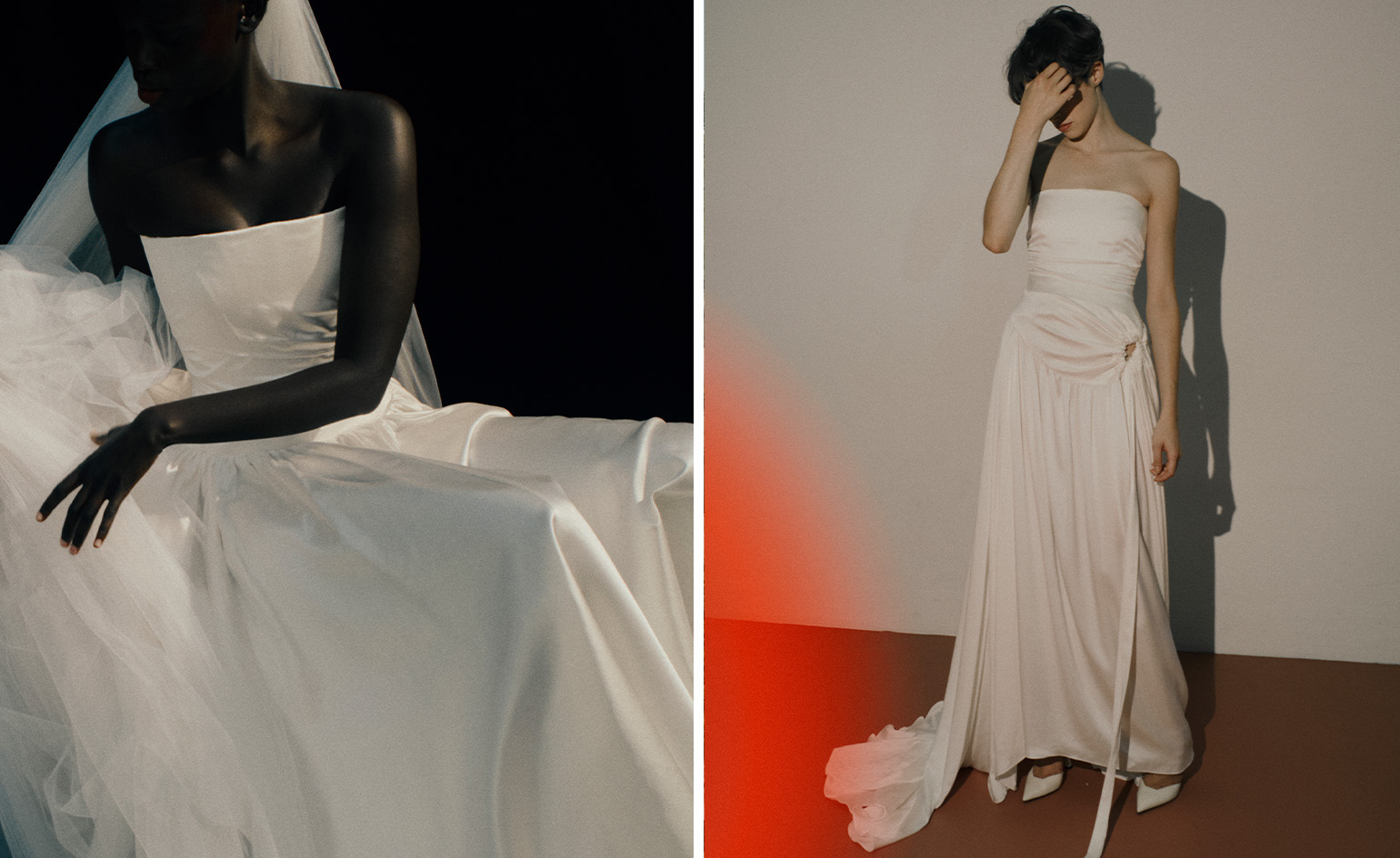
Wed Studio releases one seasonless collection a year and keeps designs available to order indefinitely. Photography: Agnes Lloyd-Platt.
Permanence changes the design
If a piece must remain interesting after the press cycle ends, it cannot depend entirely on the recognisable code of one season. That does not require beige minimalism. It requires a more demanding kind of specificity: a proportion worth revisiting, a material that rewards touch, or a construction detail that becomes more persuasive with time.
London bridal label Wed Studio is useful here because the customer already shops on a slower clock. Designers Amy Trinh and Evan Phillips release one seasonless collection annually, then keep its designs available indefinitely. In Wallpaper’s profile of the 2026 collection, they explained that even pieces from their first collection still sell. The archive is not a moodboard for the next drop; it remains the shop.
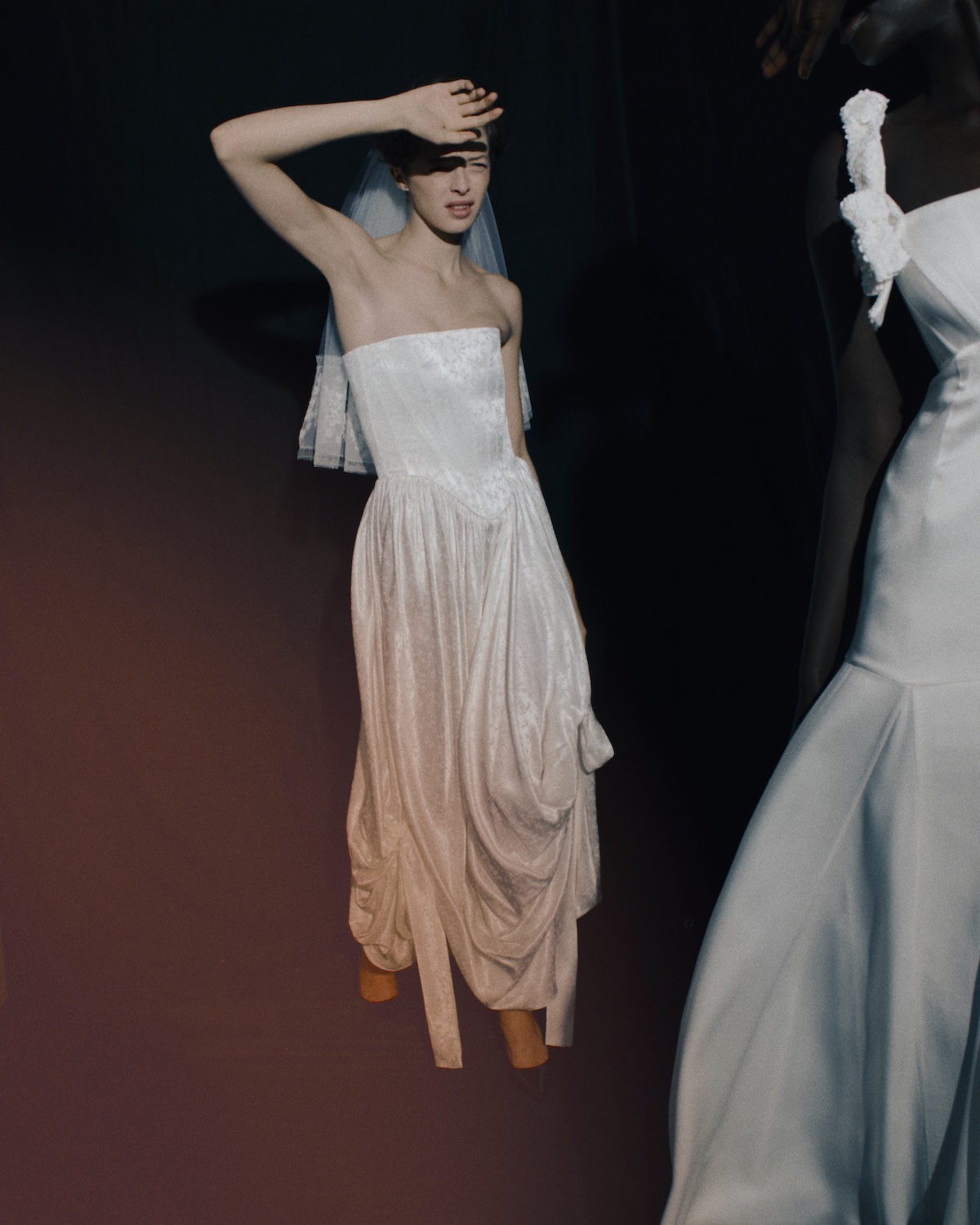
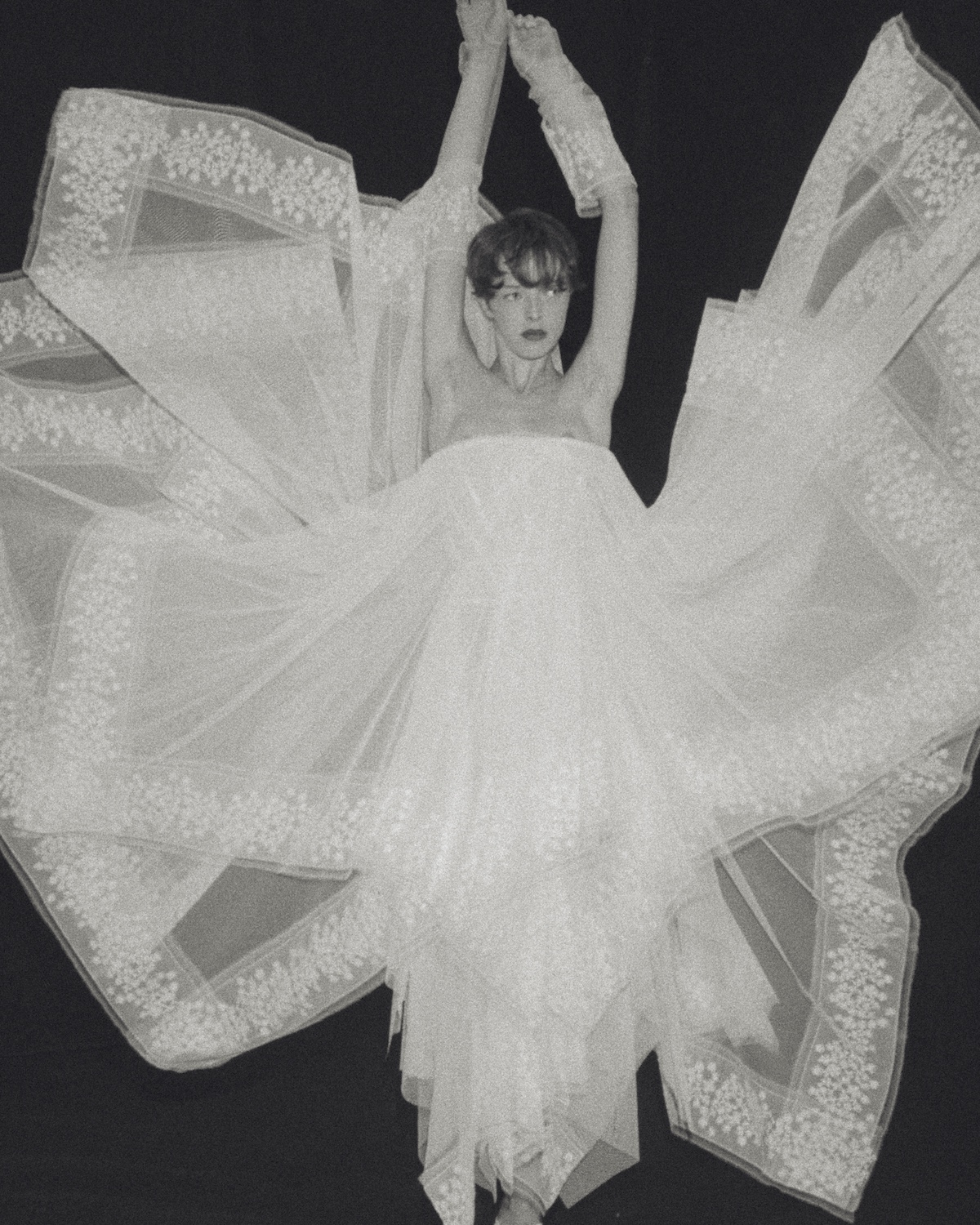
The permanence has not made the work cautious. Wed’s 2026 dresses expose corsetry, turn internal stitching outward and use veils, handkerchief tulle and crinoline bows as visible structures. MABE arrives at a similar conclusion through a different process. Its single yearly collection gives embroidery and Indian craft time to influence the garment rather than decorate a finished sketch. Fewer collections do not have to mean fewer ideas. They can mean fewer ideas abandoned too early.

Scarcity can still be theatre
There is nothing automatically ethical about a small number. Luxury has always known how to turn restriction into desire. An annual collection can be overproduced, underpaid and freighted around the world. It can also become a romantic story that makes ordinary supply constraints sound like a philosophy.
The useful questions remain material. How many units were made? Were they ordered before production? Will the design remain available? Can it be repaired? Who absorbs the cost when demand is misjudged? A slower calendar creates room for better answers, but it does not provide them on its own.
Nor is constant communication necessarily the enemy. A label releasing once a year still has to remain culturally present. The difference is what fills the feed. Process can replace product: fittings, repairs, fabric histories, the return of an older shape, or the same garment becoming different on another body. The story accumulates around the object instead of pushing it aside.
Making less is easy to announce.
Surviving it is the real design problem.
The clothes have to outlive the content
The one-collection-a-year club is too varied to become a movement. Morrow is refining outdoor-inflected menswear. Hanne Bloch builds an escape through silk, knit and swim. MABE gives handwork more time. Eve & Max uses pre-order. Wed keeps bridal designs alive after their campaign has ended. Oliver Church has gone further still, making capacity itself the boundary of the company.
What connects them is not a shared look but a rejection of compulsory forgetting. The normal calendar asks a designer to declare last season obsolete so the next can begin. An annual model asks whether the first idea has actually finished becoming itself.
That question changes the scale of ambition. Success is no longer measured only by how quickly the next delivery can replace the current one. It can mean a jacket returning in a better fabric, a wedding dress ordered years after its debut, a retailer who understands why ten pieces are enough, or a customer who does not need to be reminded that the clothes still exist. The collection earns time by proving it can hold attention without consuming everything that follows.