
FRENZY
Art & Photography
Aris Navarro Is Making Instagram Ugly Again
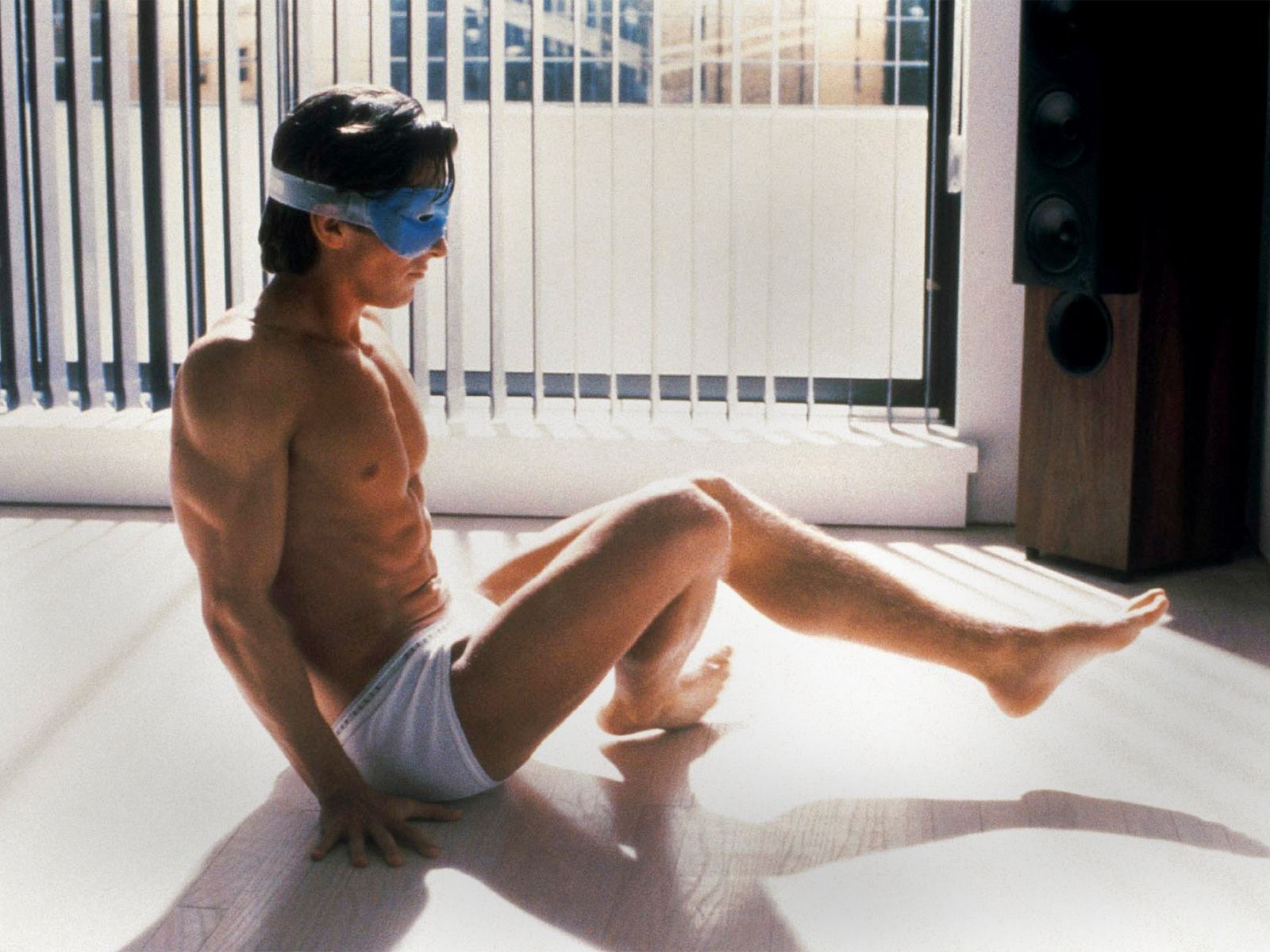
Blurry flash, boxer shorts, old phones, dirty floors and grandma’s furniture. Aris Navarro’s rapidly growing feed looks like everything Instagram spent a decade teaching us not to post.

Text
Osman Bayindir
Instagram spent a decade teaching us to clean the room before taking the picture.
Aris Navarro left the mop in.
On his feed, boxer shorts sit next to cleaning products. Wired headphones connect to phones that belong in a drawer somewhere. Cigarettes appear beside kitchen tiles. Chickens wander into frame. His grandmother is occasionally sitting a few feet away while Navarro, usually shirtless, behaves as though none of this requires explanation.
The photos can look badly lit, strangely cropped and suspiciously close to something your cousin accidentally uploaded in 2009.
They are also some of the most memorable images on Instagram right now.
Navarro calls himself “ur fav village boy.”
The Greek creator has built an online world around that sentence. He says he grew up in a small Greek village and still lives there, while also spending time in Athens with his grandmother when she needs access to doctors and treatment.
The locations matter because almost nothing in his photographs resembles the standard infrastructure of influence.
There is no white marble kitchen island waiting for a sponsored water bottle. No aggressively neutral sofa. No hotel bathroom pretending not to be a hotel bathroom. No mysterious rented villa serving as visual evidence that an affiliate link has apparently created generational wealth.
Instead, there are patterned blankets, ageing furniture, plastic bags, crowded kitchens, old televisions, food, laundry and relatives.
A recent carousel begins with Navarro sitting shirtless on a kitchen floor in plaid boxer shorts, surrounded by cleaning products. Other images move through cigarettes, cooking and a woman in a striped dress before ending with clothing lying on the floor beside the same household products.
Another turns an evening with his grandmother into something between a family snapshot and a campaign nobody commissioned.
That distinction is becoming increasingly difficult to make.
Bad taste has excellent art direction
Calling Navarro’s feed effortless would miss the entire point.
It looks effortless.
That is different.
The compositions repeat too deliberately. The objects are too good. The captions are too aware. The contrast between a conventionally attractive male body and deeply unglamorous surroundings appears too consistently for the result to simply be accidental.
The mess is part of the styling.
So is grandma.
So is the old phone.
So is whatever happens to be cooking two metres away.
Navarro has effectively reversed the traditional influencer formula. Instead of making ordinary life look more expensive, he makes an attractive image look less polished.
And somehow that now feels fresher.
The timing is almost too perfect.
Social media aesthetics move in cycles of embarrassment.
The perfectly colour-graded Instagram grid eventually became embarrassing because everyone could see the planning. Minimalism became embarrassing when every apartment started looking like the waiting room of an expensive dermatologist. Even the supposedly candid photo dump developed its own grammar: blurry first slide, flash photography, half-eaten dinner, friend looking away, screenshot, inexplicable shoe.
Casual became another thing to perform correctly.
Navarro pushes that performance further into something closer to anti-performance.
His photos do not merely say, “I don’t care if this is perfect.”
They say, “What if the thing you were going to crop out is the reason the photograph works?”
Instagram taught everyone how to make ordinary life look expensive. Navarro makes ordinary life look interesting again.
The internet has noticed.
By early August, Navarro’s Instagram account had climbed to roughly 150,000 followers. One July carousel featuring his grandmother generated around 150,000 likes on Instagram, while the corresponding images travelled far enough on X to accumulate more than 21 million views.
Some of the reaction is predictable.
Navarro is attractive. He posts thirst traps. The internet remains the internet.
But reducing the appeal to that misses why these particular images travel further than thousands of almost identical shirtless photographs uploaded every day.
The background has become as important as the body.
People zoom in.
They notice the furniture.
They notice grandma.
They notice that the phone looks ancient and that the room has not been stripped of every object that might betray the existence of an actual human being.
The feed has texture.
That should not feel revolutionary.
On Instagram in 2026, it almost does.
The anti-aesthetic always becomes an aesthetic
There is, of course, a problem with declaring any successful creator authentically messy.
The moment millions of people recognise an anti-aesthetic, it stops being entirely anti-anything.
The ugly photo acquires rules.
The flash needs to be harsh in the right way. The underwear needs to feel accidentally visible. The flip phone needs to look discovered rather than sourced. The domestic space needs enough chaos to feel alive but enough composition to remain desirable.
Eventually somebody will sell the version.
Fashion already understands this instinct. Luxury campaigns have spent years borrowing disposable-camera grain, amateur framing and suburban domesticity because perfection itself stopped signalling taste. When every phone can produce a technically beautiful image, technical beauty becomes less interesting.
Imperfection begins carrying more information.
A scratched table says something.
A strange curtain says something.
Your grandmother walking into the shot definitely says something.
Navarro seems to understand that the most compelling thing an image can possess now may not be polish.
It may be evidence of a life outside the image.
That does not mean the feed is somehow more “real” than everyone else’s. Navarro is still selecting photographs, constructing carousels and deciding what version of himself reaches the screen. Anti-curation is still curation once you upload it.
But it offers a different fantasy.
The old Instagram fantasy was that your life could be perfect.
The newer one might be that your life can be messy, strange, badly lit and still worth looking at.
Navarro did not remove the aspiration.
He just moved it out of the penthouse and onto grandma’s kitchen floor.
The feed looks like nobody tried. That may be the most carefully constructed look on Instagram right now.
Tags
Aris Navarro
Anti-Aesthetic
Internet Culture
Social Media
Y2K
Creators

©FRENZY Media
Art & Photography
Aris Navarro Is Making Instagram Ugly Again
Blurry flash, boxer shorts, old phones, dirty floors and grandma’s furniture. Aris Navarro’s rapidly growing feed looks like everything Instagram spent a decade teaching us not to post.
Text
Osman Bayindir
Instagram spent a decade teaching us to clean the room before taking the picture.
Aris Navarro left the mop in.
On his feed, boxer shorts sit next to cleaning products. Wired headphones connect to phones that belong in a drawer somewhere. Cigarettes appear beside kitchen tiles. Chickens wander into frame. His grandmother is occasionally sitting a few feet away while Navarro, usually shirtless, behaves as though none of this requires explanation.
The photos can look badly lit, strangely cropped and suspiciously close to something your cousin accidentally uploaded in 2009.
They are also some of the most memorable images on Instagram right now.
Navarro calls himself “ur fav village boy.”
The Greek creator has built an online world around that sentence. He says he grew up in a small Greek village and still lives there, while also spending time in Athens with his grandmother when she needs access to doctors and treatment.
The locations matter because almost nothing in his photographs resembles the standard infrastructure of influence.
There is no white marble kitchen island waiting for a sponsored water bottle. No aggressively neutral sofa. No hotel bathroom pretending not to be a hotel bathroom. No mysterious rented villa serving as visual evidence that an affiliate link has apparently created generational wealth.
Instead, there are patterned blankets, ageing furniture, plastic bags, crowded kitchens, old televisions, food, laundry and relatives.
A recent carousel begins with Navarro sitting shirtless on a kitchen floor in plaid boxer shorts, surrounded by cleaning products. Other images move through cigarettes, cooking and a woman in a striped dress before ending with clothing lying on the floor beside the same household products.
Another turns an evening with his grandmother into something between a family snapshot and a campaign nobody commissioned.
That distinction is becoming increasingly difficult to make.
Bad taste has excellent art direction
Calling Navarro’s feed effortless would miss the entire point.
It looks effortless.
That is different.
The compositions repeat too deliberately. The objects are too good. The captions are too aware. The contrast between a conventionally attractive male body and deeply unglamorous surroundings appears too consistently for the result to simply be accidental.
The mess is part of the styling.
So is grandma.
So is the old phone.
So is whatever happens to be cooking two metres away.
Navarro has effectively reversed the traditional influencer formula. Instead of making ordinary life look more expensive, he makes an attractive image look less polished.
And somehow that now feels fresher.
The timing is almost too perfect.
Social media aesthetics move in cycles of embarrassment.
The perfectly colour-graded Instagram grid eventually became embarrassing because everyone could see the planning. Minimalism became embarrassing when every apartment started looking like the waiting room of an expensive dermatologist. Even the supposedly candid photo dump developed its own grammar: blurry first slide, flash photography, half-eaten dinner, friend looking away, screenshot, inexplicable shoe.
Casual became another thing to perform correctly.
Navarro pushes that performance further into something closer to anti-performance.
His photos do not merely say, “I don’t care if this is perfect.”
They say, “What if the thing you were going to crop out is the reason the photograph works?”
Instagram taught everyone how to make ordinary life look expensive. Navarro makes ordinary life look interesting again.
The internet has noticed.
By early August, Navarro’s Instagram account had climbed to roughly 150,000 followers. One July carousel featuring his grandmother generated around 150,000 likes on Instagram, while the corresponding images travelled far enough on X to accumulate more than 21 million views.
Some of the reaction is predictable.
Navarro is attractive. He posts thirst traps. The internet remains the internet.
But reducing the appeal to that misses why these particular images travel further than thousands of almost identical shirtless photographs uploaded every day.
The background has become as important as the body.
People zoom in.
They notice the furniture.
They notice grandma.
They notice that the phone looks ancient and that the room has not been stripped of every object that might betray the existence of an actual human being.
The feed has texture.
That should not feel revolutionary.
On Instagram in 2026, it almost does.
The anti-aesthetic always becomes an aesthetic
There is, of course, a problem with declaring any successful creator authentically messy.
The moment millions of people recognise an anti-aesthetic, it stops being entirely anti-anything.
The ugly photo acquires rules.
The flash needs to be harsh in the right way. The underwear needs to feel accidentally visible. The flip phone needs to look discovered rather than sourced. The domestic space needs enough chaos to feel alive but enough composition to remain desirable.
Eventually somebody will sell the version.
Fashion already understands this instinct. Luxury campaigns have spent years borrowing disposable-camera grain, amateur framing and suburban domesticity because perfection itself stopped signalling taste. When every phone can produce a technically beautiful image, technical beauty becomes less interesting.
Imperfection begins carrying more information.
A scratched table says something.
A strange curtain says something.
Your grandmother walking into the shot definitely says something.
Navarro seems to understand that the most compelling thing an image can possess now may not be polish.
It may be evidence of a life outside the image.
That does not mean the feed is somehow more “real” than everyone else’s. Navarro is still selecting photographs, constructing carousels and deciding what version of himself reaches the screen. Anti-curation is still curation once you upload it.
But it offers a different fantasy.
The old Instagram fantasy was that your life could be perfect.
The newer one might be that your life can be messy, strange, badly lit and still worth looking at.
Navarro did not remove the aspiration.
He just moved it out of the penthouse and onto grandma’s kitchen floor.
The feed looks like nobody tried. That may be the most carefully constructed look on Instagram right now.
Aris Navarro
Anti-Aesthetic
Internet Culture
Social Media
Y2K
Trending
Fashion
Gucci Primavera Has No Centre—and That Is the Point

Music
The VMAs Finally Belong to Madonna Again

Art & Photography
Free The Youth Built the Season’s Best Campaign by Hand

Film & TV
Outer Banks Was Netflix’s Last Great Teen Fantasy

Film & TV
Marvel’s New X-Men Cast Looks Like the Internet Chose It
Music
CRUSH Is Türkiye’s Answer to the K-Pop Machine

Body & Care
Sophia Sinot Is Making Pop-Star Makeup Fun Again

Fashion
Khy Steps Into Footwear With Gia Borghini

© FRENZY Media 2026

