
FRENZY
Life & Culture
Berlin Got Naked. The Internet Did the Rest.
Around 500 cyclists stripped down and rode 33 kilometres through Berlin on Sunday. The city’s first World Naked Bike Ride was part protest, part FKK revival and almost immediately internet content.

Text
Osman Bayindir
Berlin saw several demonstrations on Sunday.
Only one required considerably less wardrobe planning.
Around 500 people got onto bicycles in the August heat and rode through the German capital naked, partially naked or wearing precisely as much as they felt like wearing.
They passed government buildings. Tourists stared. Phones came out.
Berlin's first World Naked Bike Ride had begun.
It is extremely easy to reduce all of this to the obvious.
There were hundreds of naked people cycling through Mitte on a Sunday afternoon. The temperature was hovering around 30 degrees. The route passed some of the most photographed pieces of Berlin imaginable. Of course the footage travelled.
But the nudity was never supposed to be the punchline.
The World Naked Bike Ride is an international protest movement that has been appearing in cities around the world for more than two decades. Berlin, despite possessing one of Europe's more complicated and enthusiastic relationships with public nakedness, had never hosted one before.
That changed on August 9.
The official demonstration began near Mauerpark and stretched for roughly 33 kilometres through the city. Its route moved through the government district and past places including the Brandenburg Gate, Reichstag, the Spree and East Side Gallery before continuing south.
Police put the number actually riding at around 500. Organisers said approximately 1,200 people had previously registered their interest through the event's online counter.
Not everybody was completely naked.
That was intentional.
The organisers' rule was effectively that participants should wear — or remove — whatever made them comfortable. The naked body was being used as a symbol rather than an entry requirement.
Germany already has a word for this
To understand why 500 naked cyclists in Berlin are more interesting than 500 naked cyclists almost anywhere else, you have to understand three letters.
FKK.
Freikörperkultur — literally "free body culture" — has existed in Germany in various forms since around the turn of the twentieth century. Its philosophy treats communal nudity as something fundamentally separate from sex: bodies without clothing, status symbols or the requirement to perform attractiveness for somebody else.
It became particularly embedded in East German culture, where generations grew accustomed to naked beaches, swimming spots and holidays in a way that can still confuse visitors encountering an FKK section for the first time.
The Berlin riders were consciously tapping into that history.
The event promoted tolerance, self-acceptance, environmental protection, inclusion and diversity. Organisers reframed the old naturist idea that "naked, we are all equal" slightly differently: the point was not that bodies become identical without clothing, but that their differences become impossible to hide.
They were also unusually careful about what the demonstration was not.
The official participation guidelines asked people to avoid visibly displayed intimate jewellery, fetish equipment and similar accessories. The organisers wanted a line between nakedness and sexual performance that could not easily be misunderstood.
In other words: take your trousers off.
Leave the fetish gear at home.
Very German.
The timing makes all of this more complicated.
Traditional German naturism has spent years worrying about its future.
Membership of organised FKK associations has fallen dramatically from the levels seen a generation ago. Younger Germans may be perfectly comfortable posting increasingly revealing images of themselves online while being considerably less interested in joining an old-fashioned naturist club.
Which creates one of the stranger contradictions around Sunday's ride.
A movement arguing that bodies should exist without being judged, sexualised or turned into status objects was immediately surrounded by smartphones.
Within hours, naked cyclists had become Reels.
A philosophy partially built around escaping the performance of the body had become content about bodies.
Berlin put hundreds of unfiltered bodies in public. The first response was to reach for a camera.
That does not necessarily make the protest unsuccessful.
It might be exactly why it works.
Modern protest competes for attention with absolutely everything. Politicians, brands, celebrities, creators and whatever twelve-second clip an algorithm has decided matters this afternoon are all fighting for the same pair of eyes.
Five hundred clothed cyclists asking for environmental awareness can disappear into a city.
Five hundred naked ones cannot.
The bicycle matters here too.
World Naked Bike Ride events have historically used nudity to represent how exposed cyclists can feel in cities designed around cars. Remove the metal shell, remove the clothing and suddenly the vulnerability becomes almost comically literal.
Berlin's edition broadened that into something closer to a cultural statement: environmentalism mixed with naturism, cycling advocacy mixed with body acceptance.
It sounds like too many causes for one bicycle.
Somehow, it looked coherent from the pavement.
The body has changed. FKK hasn't quite caught up.
The most interesting question may be what happens after everyone puts their clothes back on.
Germany's relationship with nakedness has survived enormous cultural change, but the environment around the naked body is completely different now.
An FKK beach once offered a strange kind of anonymity. Everyone was exposed, which meant exposure itself stopped being remarkable.
A smartphone changes that equation.
There is a difference between being naked among strangers and becoming naked content for strangers you will never meet.
And yet Sunday's ride also suggested that the desire behind FKK has not disappeared.
Maybe it has simply become detached from the clubs, membership cards and fenced naturist grounds that traditionally contained it.
The people cycling through Berlin were not hidden away from the city.
They rode directly through it.
Past parliament.
Past tourists.
Past cameras.
Berlin has always been unusually good at making the distinction between strange and scandalous.
On Sunday, hundreds of people took their clothes off, got on bicycles and travelled 33 kilometres through the capital.
For several hours, that was simply part of the traffic.
Maybe the most Berlin thing about the whole spectacle was how quickly Berlin stopped looking surprised.
Tags
Berlin
World Naked Bike Ride
Body Culture
Cycling
Protest
Internet Culture
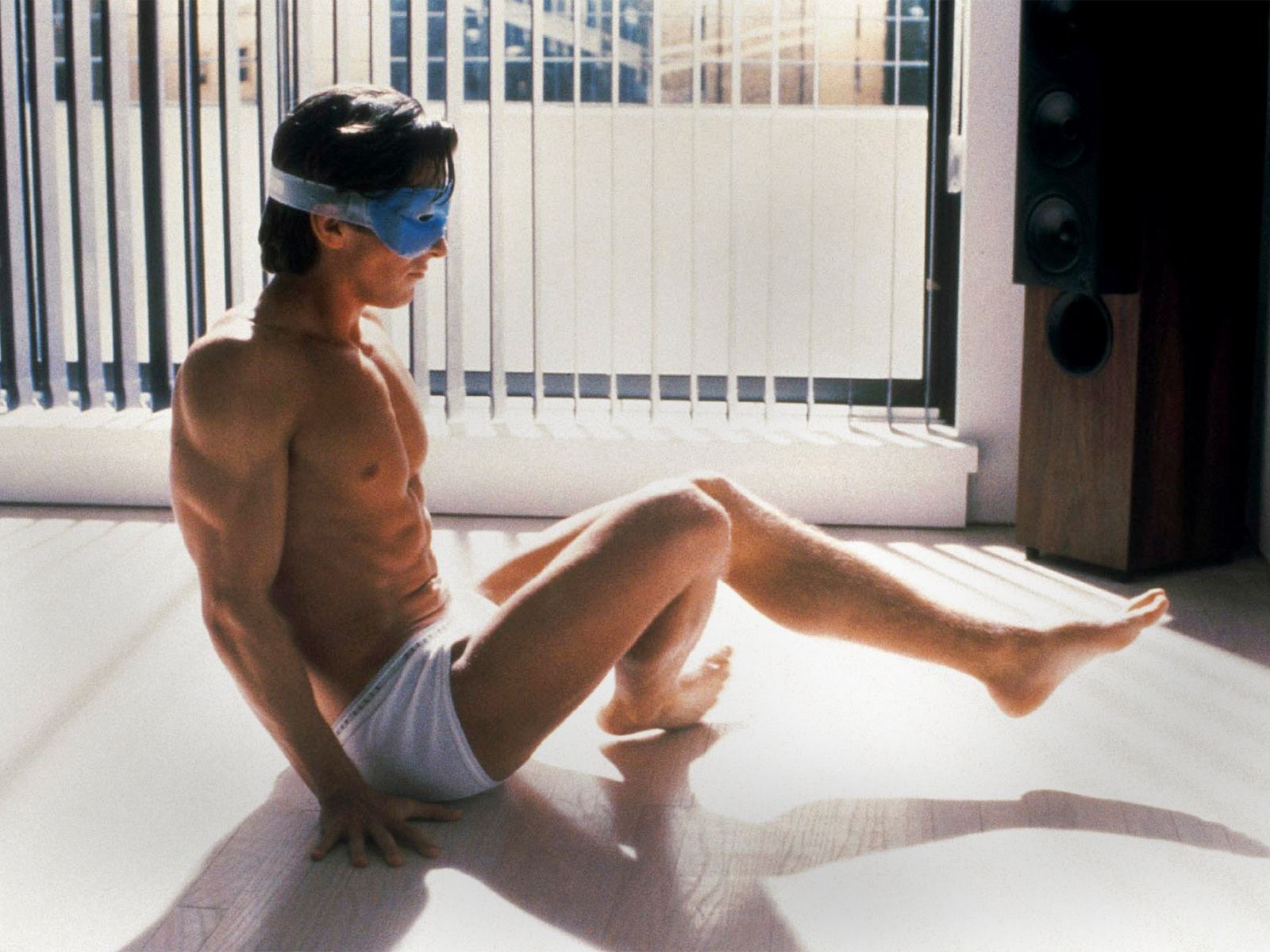

©FRENZY Media
Life & Culture
Berlin Got Naked. The Internet Did the Rest.
Around 500 cyclists stripped down and rode 33 kilometres through Berlin on Sunday. The city’s first World Naked Bike Ride was part protest, part FKK revival and almost immediately internet content.
Text
Osman Bayindir
Berlin saw several demonstrations on Sunday.
Only one required considerably less wardrobe planning.
Around 500 people got onto bicycles in the August heat and rode through the German capital naked, partially naked or wearing precisely as much as they felt like wearing.
They passed government buildings. Tourists stared. Phones came out.
Berlin's first World Naked Bike Ride had begun.
It is extremely easy to reduce all of this to the obvious.
There were hundreds of naked people cycling through Mitte on a Sunday afternoon. The temperature was hovering around 30 degrees. The route passed some of the most photographed pieces of Berlin imaginable. Of course the footage travelled.
But the nudity was never supposed to be the punchline.
The World Naked Bike Ride is an international protest movement that has been appearing in cities around the world for more than two decades. Berlin, despite possessing one of Europe's more complicated and enthusiastic relationships with public nakedness, had never hosted one before.
That changed on August 9.
The official demonstration began near Mauerpark and stretched for roughly 33 kilometres through the city. Its route moved through the government district and past places including the Brandenburg Gate, Reichstag, the Spree and East Side Gallery before continuing south.
Police put the number actually riding at around 500. Organisers said approximately 1,200 people had previously registered their interest through the event's online counter.
Not everybody was completely naked.
That was intentional.
The organisers' rule was effectively that participants should wear — or remove — whatever made them comfortable. The naked body was being used as a symbol rather than an entry requirement.
Germany already has a word for this
To understand why 500 naked cyclists in Berlin are more interesting than 500 naked cyclists almost anywhere else, you have to understand three letters.
FKK.
Freikörperkultur — literally "free body culture" — has existed in Germany in various forms since around the turn of the twentieth century. Its philosophy treats communal nudity as something fundamentally separate from sex: bodies without clothing, status symbols or the requirement to perform attractiveness for somebody else.
It became particularly embedded in East German culture, where generations grew accustomed to naked beaches, swimming spots and holidays in a way that can still confuse visitors encountering an FKK section for the first time.
The Berlin riders were consciously tapping into that history.
The event promoted tolerance, self-acceptance, environmental protection, inclusion and diversity. Organisers reframed the old naturist idea that "naked, we are all equal" slightly differently: the point was not that bodies become identical without clothing, but that their differences become impossible to hide.
They were also unusually careful about what the demonstration was not.
The official participation guidelines asked people to avoid visibly displayed intimate jewellery, fetish equipment and similar accessories. The organisers wanted a line between nakedness and sexual performance that could not easily be misunderstood.
In other words: take your trousers off.
Leave the fetish gear at home.
Very German.
The timing makes all of this more complicated.
Traditional German naturism has spent years worrying about its future.
Membership of organised FKK associations has fallen dramatically from the levels seen a generation ago. Younger Germans may be perfectly comfortable posting increasingly revealing images of themselves online while being considerably less interested in joining an old-fashioned naturist club.
Which creates one of the stranger contradictions around Sunday's ride.
A movement arguing that bodies should exist without being judged, sexualised or turned into status objects was immediately surrounded by smartphones.
Within hours, naked cyclists had become Reels.
A philosophy partially built around escaping the performance of the body had become content about bodies.
Berlin put hundreds of unfiltered bodies in public. The first response was to reach for a camera.
That does not necessarily make the protest unsuccessful.
It might be exactly why it works.
Modern protest competes for attention with absolutely everything. Politicians, brands, celebrities, creators and whatever twelve-second clip an algorithm has decided matters this afternoon are all fighting for the same pair of eyes.
Five hundred clothed cyclists asking for environmental awareness can disappear into a city.
Five hundred naked ones cannot.
The bicycle matters here too.
World Naked Bike Ride events have historically used nudity to represent how exposed cyclists can feel in cities designed around cars. Remove the metal shell, remove the clothing and suddenly the vulnerability becomes almost comically literal.
Berlin's edition broadened that into something closer to a cultural statement: environmentalism mixed with naturism, cycling advocacy mixed with body acceptance.
It sounds like too many causes for one bicycle.
Somehow, it looked coherent from the pavement.
The body has changed. FKK hasn't quite caught up.
The most interesting question may be what happens after everyone puts their clothes back on.
Germany's relationship with nakedness has survived enormous cultural change, but the environment around the naked body is completely different now.
An FKK beach once offered a strange kind of anonymity. Everyone was exposed, which meant exposure itself stopped being remarkable.
A smartphone changes that equation.
There is a difference between being naked among strangers and becoming naked content for strangers you will never meet.
And yet Sunday's ride also suggested that the desire behind FKK has not disappeared.
Maybe it has simply become detached from the clubs, membership cards and fenced naturist grounds that traditionally contained it.
The people cycling through Berlin were not hidden away from the city.
They rode directly through it.
Past parliament.
Past tourists.
Past cameras.
Berlin has always been unusually good at making the distinction between strange and scandalous.
On Sunday, hundreds of people took their clothes off, got on bicycles and travelled 33 kilometres through the capital.
For several hours, that was simply part of the traffic.
Maybe the most Berlin thing about the whole spectacle was how quickly Berlin stopped looking surprised.
Berlin
World Naked Bike Ride
Body Culture
Cycling
Protest
Internet Culture
Trending
Fashion
Gucci Primavera Has No Centre—and That Is the Point

Music
The VMAs Finally Belong to Madonna Again

Art & Photography
Free The Youth Built the Season’s Best Campaign by Hand

Film & TV
Outer Banks Was Netflix’s Last Great Teen Fantasy

Film & TV
Marvel’s New X-Men Cast Looks Like the Internet Chose It
Music
CRUSH Is Türkiye’s Answer to the K-Pop Machine

Body & Care
Sophia Sinot Is Making Pop-Star Makeup Fun Again

Fashion
Khy Steps Into Footwear With Gia Borghini

© FRENZY Media 2026

