
Fashion
Minimalism just got mass-produced and WARDROBE.NYC is fine with it
Christine Centenera and Josh Goot turned their obsession with the perfect wardrobe into an H&M collection. The contradiction is basically the point.

Text
Noah Cruz
WARDROBE.NYC has always sold a strangely luxurious idea: you should probably own less stuff.
Which makes its new collaboration with H&M either completely logical or slightly absurd.
Founded by Christine Centenera and Josh Goot, WARDROBE.NYC built its identity around the uniform. The perfect blazer. The correct trouser. A coat that makes everything underneath it matter less. Clothes designed to eliminate the small daily crisis of deciding what to wear.
Now that philosophy has been translated into a 29-piece H&M collection.
The collaboration launched on August 6, pulling from WARDROBE.NYC’s archive and reducing the brand’s language into exaggerated tailoring, denim, bodysuits, shirts, technical trousers, hoodies and coats.
It looks simple.
That is not the same thing as basic.
The uniform became the status symbol.
Fashion has spent years rediscovering the capsule wardrobe every time people become exhausted by trends.
The promise is always similar: buy fewer things, choose them carefully and somehow emerge as the kind of person who owns exactly one black blazer because that blazer is perfect.
WARDROBE.NYC understood early that this fantasy could be sold as luxury.
Centenera’s own styling has always helped explain why. A hoodie under sharp tailoring. Technical trousers with a coat. Denim shaped dramatically enough to stop being invisible. Familiar clothes pushed just far enough that the silhouette becomes the point.
That language survives surprisingly well at H&M.
The collection does not rely on a giant logo or an instantly recognisable designer motif. There is no obvious novelty piece screaming that somebody queued online at launch.
Instead, the collaboration is built around proportion.
Shoulders get stronger. Coats get longer. Denim becomes sculptural. Shirts feel slightly too large in exactly the intentional way that makes ordinary oversizing look accidental by comparison.
It is fashion for people who want their clothes noticed without appearing to have asked for attention.
The real luxury WARDROBE.NYC sells has never been minimalism. It is the fantasy of never making a bad outfit decision again.
That makes the H&M partnership more interesting than another exercise in making expensive-looking basics cheaper.
There is an obvious contradiction in taking a philosophy based on fewer, better clothes and pushing it through one of the world’s largest mass-market fashion retailers.
But WARDROBE.NYC does not appear embarrassed by the tension.
Centenera and Goot have described the collaboration as a way to distil their work into one clear wardrobe and bring the idea to a much wider audience. Their own suggestions for autumn are almost comically consistent with the brand’s worldview: blazer, coat, technical track pant, hoodie, layering.
No complicated trend narrative required.
And maybe that explains why the collection arrives at the right time.
Fashion has recently moved between two equally exhausting extremes: endless microtrends on one side and anonymous “quiet luxury” on the other.
WARDROBE.NYC offers a third option.
Wear the same things constantly — just make the shape interesting.
There is something refreshingly unfashionable about that idea. A wardrobe that works is supposed to survive longer than an algorithm’s attention span. The best pieces should become more boring to describe precisely because they keep being useful.
Of course, H&M is still H&M. Buying a capsule collection does not magically remove the consumption problem that capsule wardrobes supposedly solve.
But the collaboration succeeds because it does not pretend novelty is the product.
The product is repetition.
The same blazer again. The same coat again. The same trousers with something different underneath.
WARDROBE.NYC spent years turning that repetition into luxury.
Now it wants to see what happens when everyone else gets the uniform.
© 2026 Frenzy Haus. All rights reserved.


Fashion
Minimalism just got mass-produced and WARDROBE.NYC is fine with it
Christine Centenera and Josh Goot turned their obsession with the perfect wardrobe into an H&M collection. The contradiction is basically the point.
Text
Noah Cruz
WARDROBE.NYC has always sold a strangely luxurious idea: you should probably own less stuff.
Which makes its new collaboration with H&M either completely logical or slightly absurd.
Founded by Christine Centenera and Josh Goot, WARDROBE.NYC built its identity around the uniform. The perfect blazer. The correct trouser. A coat that makes everything underneath it matter less. Clothes designed to eliminate the small daily crisis of deciding what to wear.
Now that philosophy has been translated into a 29-piece H&M collection.
The collaboration launched on August 6, pulling from WARDROBE.NYC’s archive and reducing the brand’s language into exaggerated tailoring, denim, bodysuits, shirts, technical trousers, hoodies and coats.
It looks simple.
That is not the same thing as basic.
The uniform became the status symbol.
Fashion has spent years rediscovering the capsule wardrobe every time people become exhausted by trends.
The promise is always similar: buy fewer things, choose them carefully and somehow emerge as the kind of person who owns exactly one black blazer because that blazer is perfect.
WARDROBE.NYC understood early that this fantasy could be sold as luxury.
Centenera’s own styling has always helped explain why. A hoodie under sharp tailoring. Technical trousers with a coat. Denim shaped dramatically enough to stop being invisible. Familiar clothes pushed just far enough that the silhouette becomes the point.
That language survives surprisingly well at H&M.
The collection does not rely on a giant logo or an instantly recognisable designer motif. There is no obvious novelty piece screaming that somebody queued online at launch.
Instead, the collaboration is built around proportion.
Shoulders get stronger. Coats get longer. Denim becomes sculptural. Shirts feel slightly too large in exactly the intentional way that makes ordinary oversizing look accidental by comparison.
It is fashion for people who want their clothes noticed without appearing to have asked for attention.
The real luxury WARDROBE.NYC sells has never been minimalism. It is the fantasy of never making a bad outfit decision again.
That makes the H&M partnership more interesting than another exercise in making expensive-looking basics cheaper.
There is an obvious contradiction in taking a philosophy based on fewer, better clothes and pushing it through one of the world’s largest mass-market fashion retailers.
But WARDROBE.NYC does not appear embarrassed by the tension.
Centenera and Goot have described the collaboration as a way to distil their work into one clear wardrobe and bring the idea to a much wider audience. Their own suggestions for autumn are almost comically consistent with the brand’s worldview: blazer, coat, technical track pant, hoodie, layering.
No complicated trend narrative required.
And maybe that explains why the collection arrives at the right time.
Fashion has recently moved between two equally exhausting extremes: endless microtrends on one side and anonymous “quiet luxury” on the other.
WARDROBE.NYC offers a third option.
Wear the same things constantly — just make the shape interesting.
There is something refreshingly unfashionable about that idea. A wardrobe that works is supposed to survive longer than an algorithm’s attention span. The best pieces should become more boring to describe precisely because they keep being useful.
Of course, H&M is still H&M. Buying a capsule collection does not magically remove the consumption problem that capsule wardrobes supposedly solve.
But the collaboration succeeds because it does not pretend novelty is the product.
The product is repetition.
The same blazer again. The same coat again. The same trousers with something different underneath.
WARDROBE.NYC spent years turning that repetition into luxury.
Now it wants to see what happens when everyone else gets the uniform.
© 2026 Frenzy Haus. All rights reserved.

Fashion
Minimalism just got mass-produced and WARDROBE.NYC is fine with it
Christine Centenera and Josh Goot turned their obsession with the perfect wardrobe into an H&M collection. The contradiction is basically the point.
Text
Noah Cruz
WARDROBE.NYC has always sold a strangely luxurious idea: you should probably own less stuff.
Which makes its new collaboration with H&M either completely logical or slightly absurd.
Founded by Christine Centenera and Josh Goot, WARDROBE.NYC built its identity around the uniform. The perfect blazer. The correct trouser. A coat that makes everything underneath it matter less. Clothes designed to eliminate the small daily crisis of deciding what to wear.
Now that philosophy has been translated into a 29-piece H&M collection.
The collaboration launched on August 6, pulling from WARDROBE.NYC’s archive and reducing the brand’s language into exaggerated tailoring, denim, bodysuits, shirts, technical trousers, hoodies and coats.
It looks simple.
That is not the same thing as basic.
The uniform became the status symbol.
Fashion has spent years rediscovering the capsule wardrobe every time people become exhausted by trends.
The promise is always similar: buy fewer things, choose them carefully and somehow emerge as the kind of person who owns exactly one black blazer because that blazer is perfect.
WARDROBE.NYC understood early that this fantasy could be sold as luxury.
Centenera’s own styling has always helped explain why. A hoodie under sharp tailoring. Technical trousers with a coat. Denim shaped dramatically enough to stop being invisible. Familiar clothes pushed just far enough that the silhouette becomes the point.
That language survives surprisingly well at H&M.
The collection does not rely on a giant logo or an instantly recognisable designer motif. There is no obvious novelty piece screaming that somebody queued online at launch.
Instead, the collaboration is built around proportion.
Shoulders get stronger. Coats get longer. Denim becomes sculptural. Shirts feel slightly too large in exactly the intentional way that makes ordinary oversizing look accidental by comparison.
It is fashion for people who want their clothes noticed without appearing to have asked for attention.
The real luxury WARDROBE.NYC sells has never been minimalism. It is the fantasy of never making a bad outfit decision again.
That makes the H&M partnership more interesting than another exercise in making expensive-looking basics cheaper.
There is an obvious contradiction in taking a philosophy based on fewer, better clothes and pushing it through one of the world’s largest mass-market fashion retailers.
But WARDROBE.NYC does not appear embarrassed by the tension.
Centenera and Goot have described the collaboration as a way to distil their work into one clear wardrobe and bring the idea to a much wider audience. Their own suggestions for autumn are almost comically consistent with the brand’s worldview: blazer, coat, technical track pant, hoodie, layering.
No complicated trend narrative required.
And maybe that explains why the collection arrives at the right time.
Fashion has recently moved between two equally exhausting extremes: endless microtrends on one side and anonymous “quiet luxury” on the other.
WARDROBE.NYC offers a third option.
Wear the same things constantly — just make the shape interesting.
There is something refreshingly unfashionable about that idea. A wardrobe that works is supposed to survive longer than an algorithm’s attention span. The best pieces should become more boring to describe precisely because they keep being useful.
Of course, H&M is still H&M. Buying a capsule collection does not magically remove the consumption problem that capsule wardrobes supposedly solve.
But the collaboration succeeds because it does not pretend novelty is the product.
The product is repetition.
The same blazer again. The same coat again. The same trousers with something different underneath.
WARDROBE.NYC spent years turning that repetition into luxury.
Now it wants to see what happens when everyone else gets the uniform.
Get Frenzy straight to your inbox!
Latest

Alicia Creti Makes Losing Your Shit Sound Expensive
Music
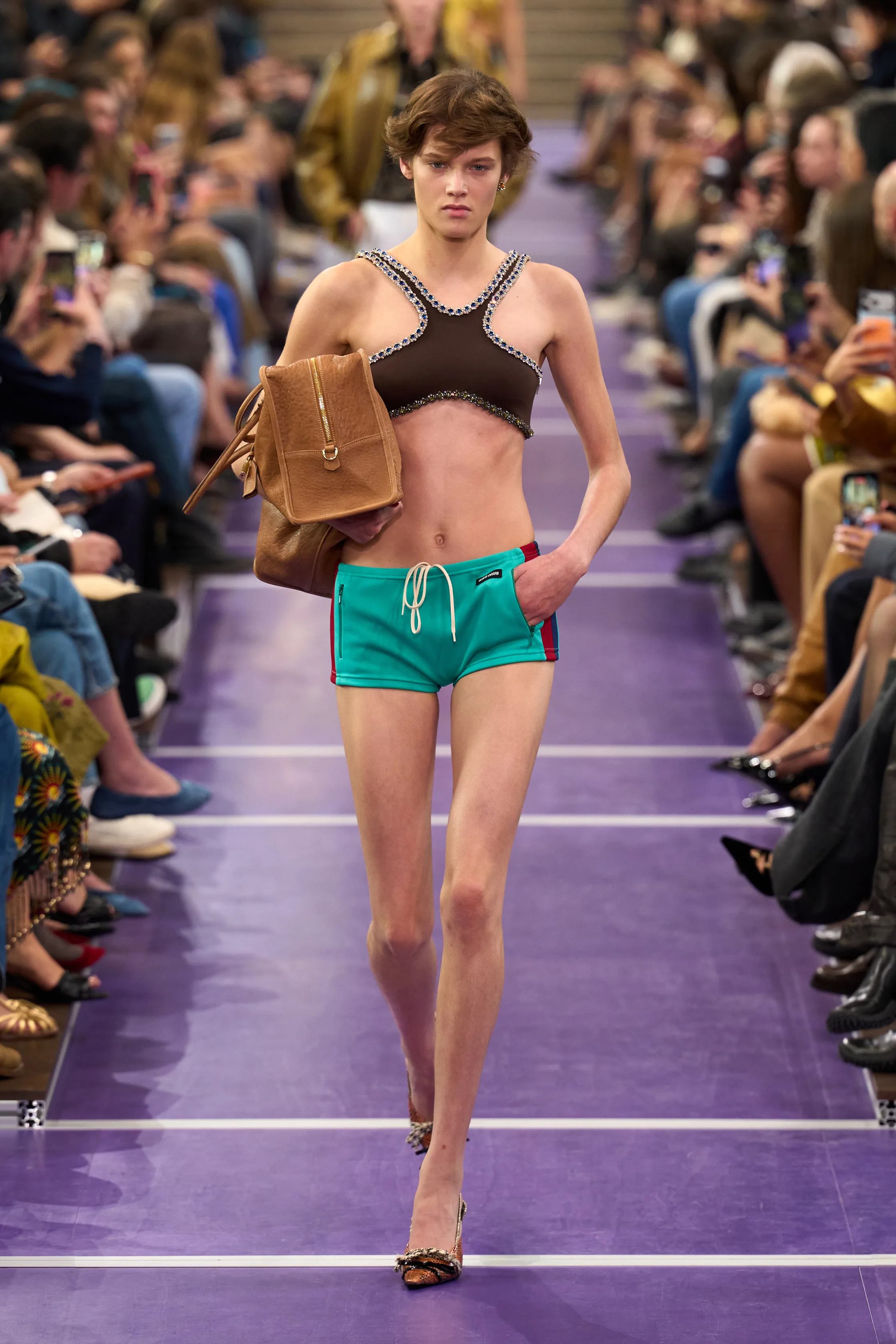
Miu Miu Killed the Outfit and Left It in Micro-Shorts
Fashion
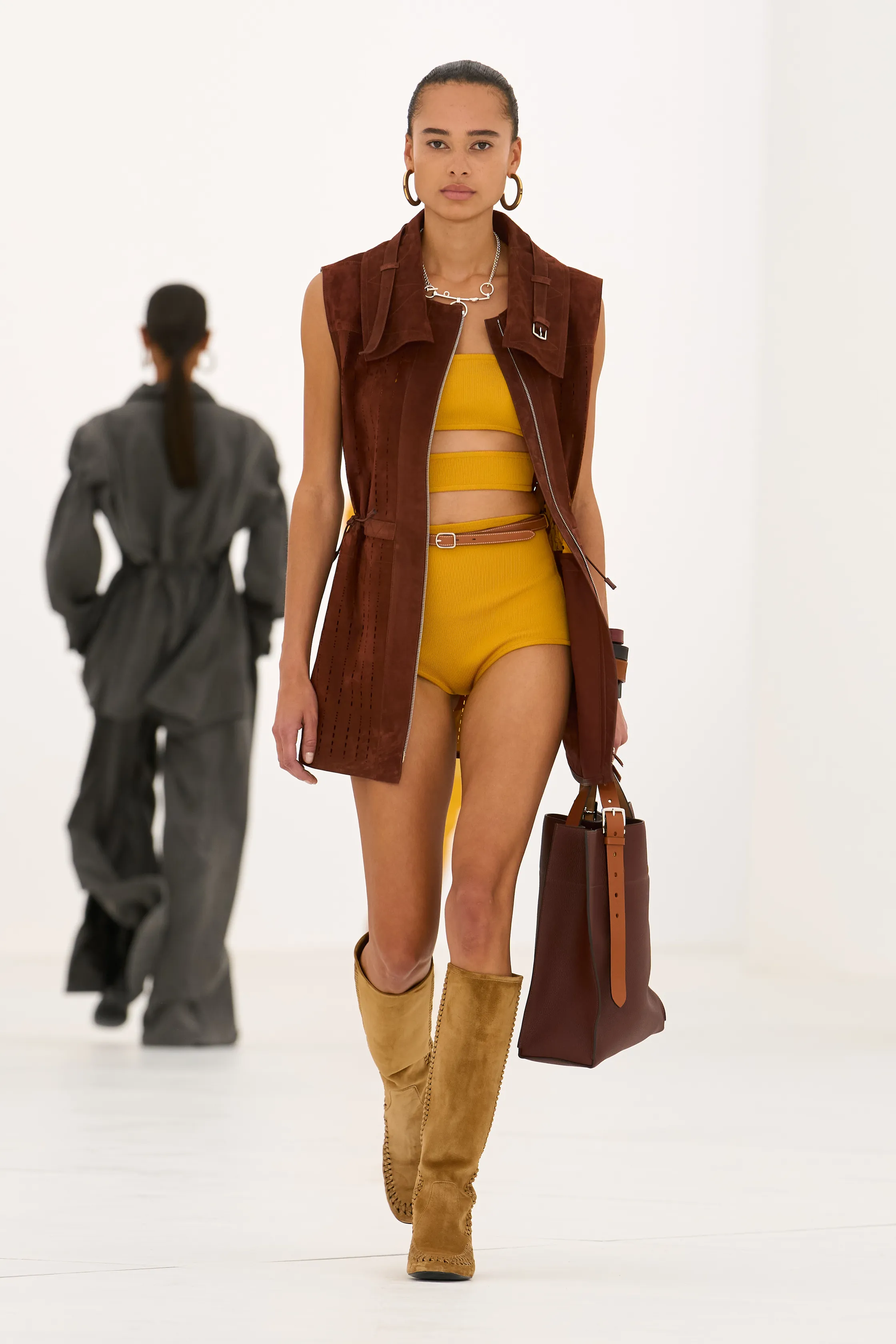
Hermès Put Quiet Luxury in Its Underwear
Fashion

Lacoste Just Kicked Tennis Whites Out of the Club
Fashion

The Vampire Diaries’ Deadliest Parties, Ranked
Film & TV
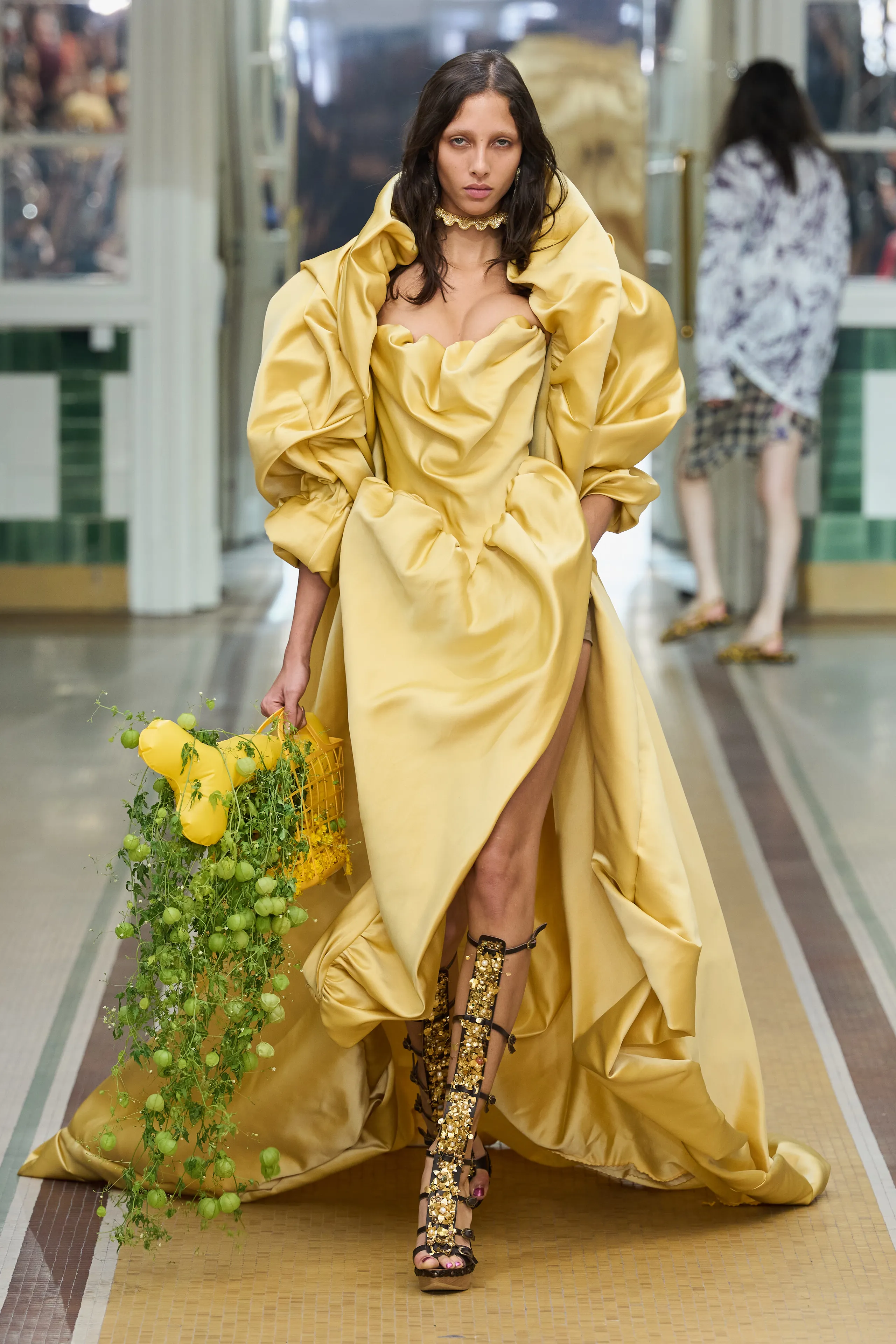
Vivienne Westwood Just Put Good Taste Through a Nervous Breakdown
Fashion

The FRENZY Interview: Bo Quinn Makes Beauty Misbehave
Beauty

Megan Fox Is Giving Erectile Dysfunction a Red-Hot Rebrand
Life & Culture

Tom Ford Made Voyeurism Look Expensive
Fashion
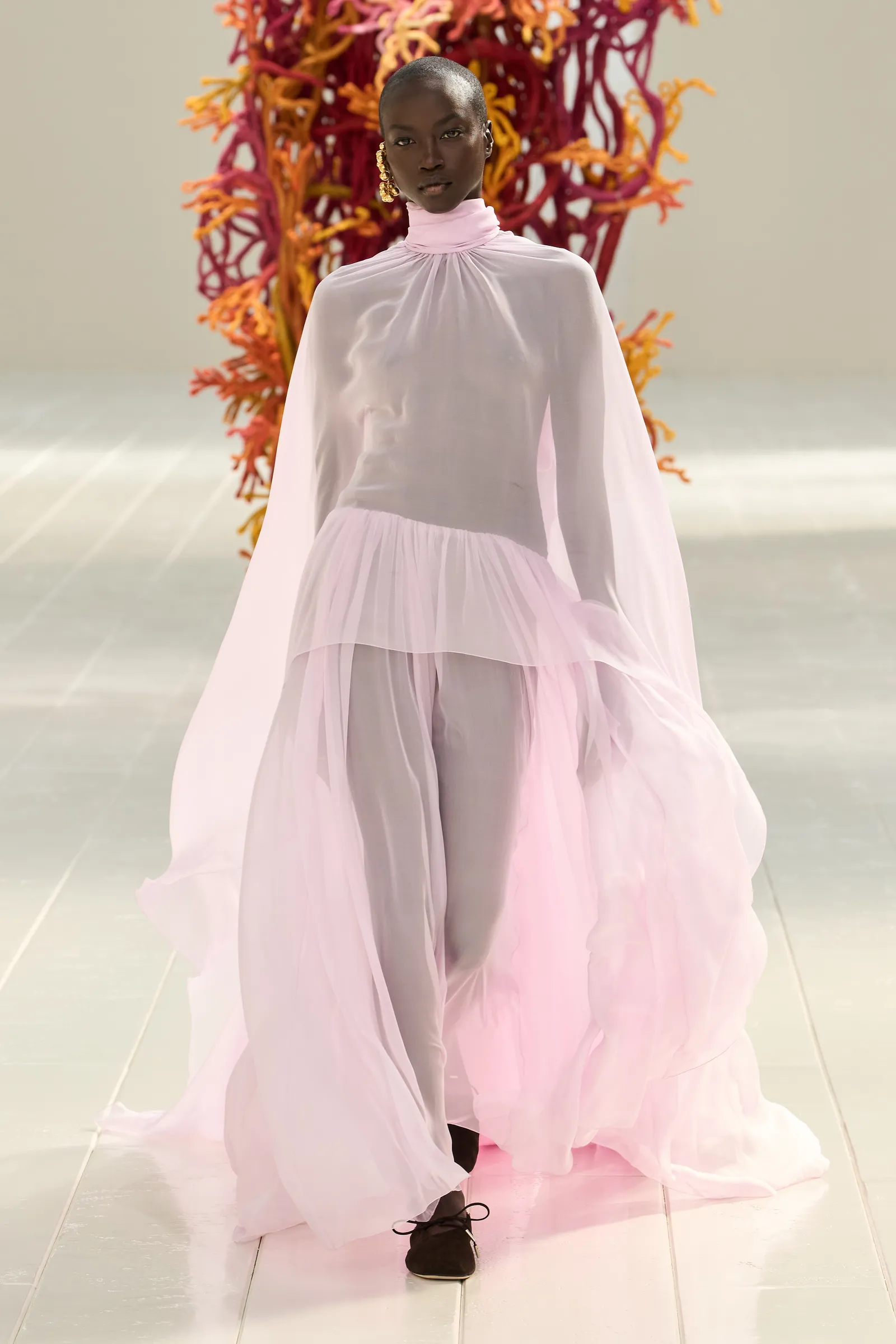
Balenciaga Made Couture Lose Its Manners
Fashion
© 2026 Frenzy Haus. All rights reserved.