Phoebe Bridgers did not return with a scream. She returned with a voice pushed through a science-fiction filter, a song that leaves enough silence for the room to become audible and a record that seems suspicious of every instinct telling a comeback to become louder.
Lost Weekend, released on 14 August, is her first solo album in six years. In the space between it and 2020’s Punisher, Bridgers became one third of an arena-filling supergroup, won four Grammys in one night and watched the soft, sharply observed style she helped define spread across pop music.
A conventional return would have enlarged everything: the hooks, the production, the explanations and the access. Bridgers has done something more interesting. She has made the quietest record of her career and placed it inside the architecture of a major event.
The loudest thing about the comeback was the silence
The campaign began by withholding. Bridgers played surprise shows in small American venues, performed unreleased material at a short-notice Madison Square Garden concert and asked audiences to seal away their phones. The coming arena tour follows the same rule. For an artist whose smallest lyrical details are routinely detached, captioned and investigated, removing the camera was not nostalgia. It was control.
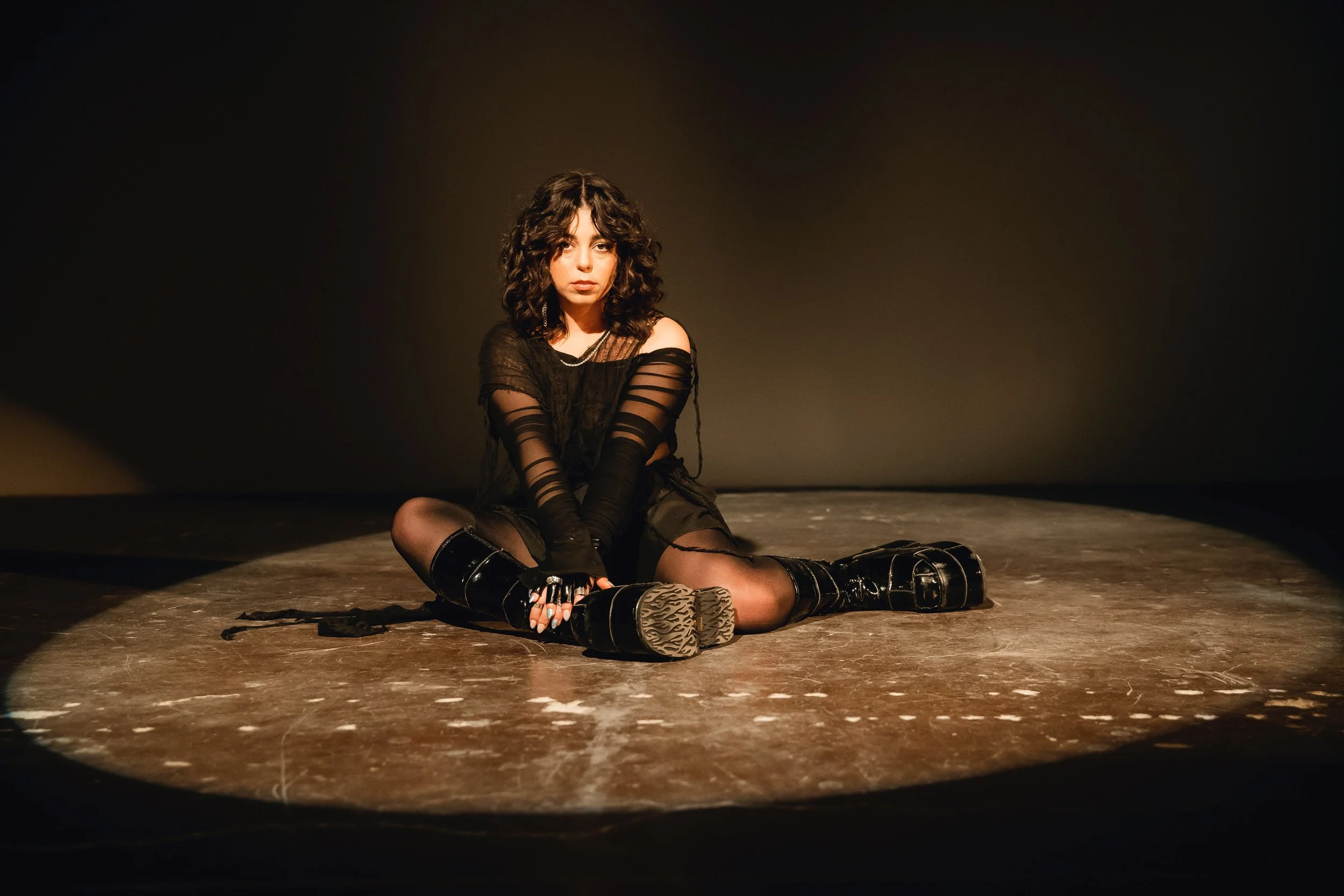
The album’s arrival extended that idea. More than 40 planetariums hosted phone-free listening sessions beneath custom stars and laser projections. The scale was cinematic, but the behaviour it demanded was private: sit in the dark, listen from beginning to end and leave without turning the experience into immediate content. Bridgers made absence part of the visual identity before the music had even started.
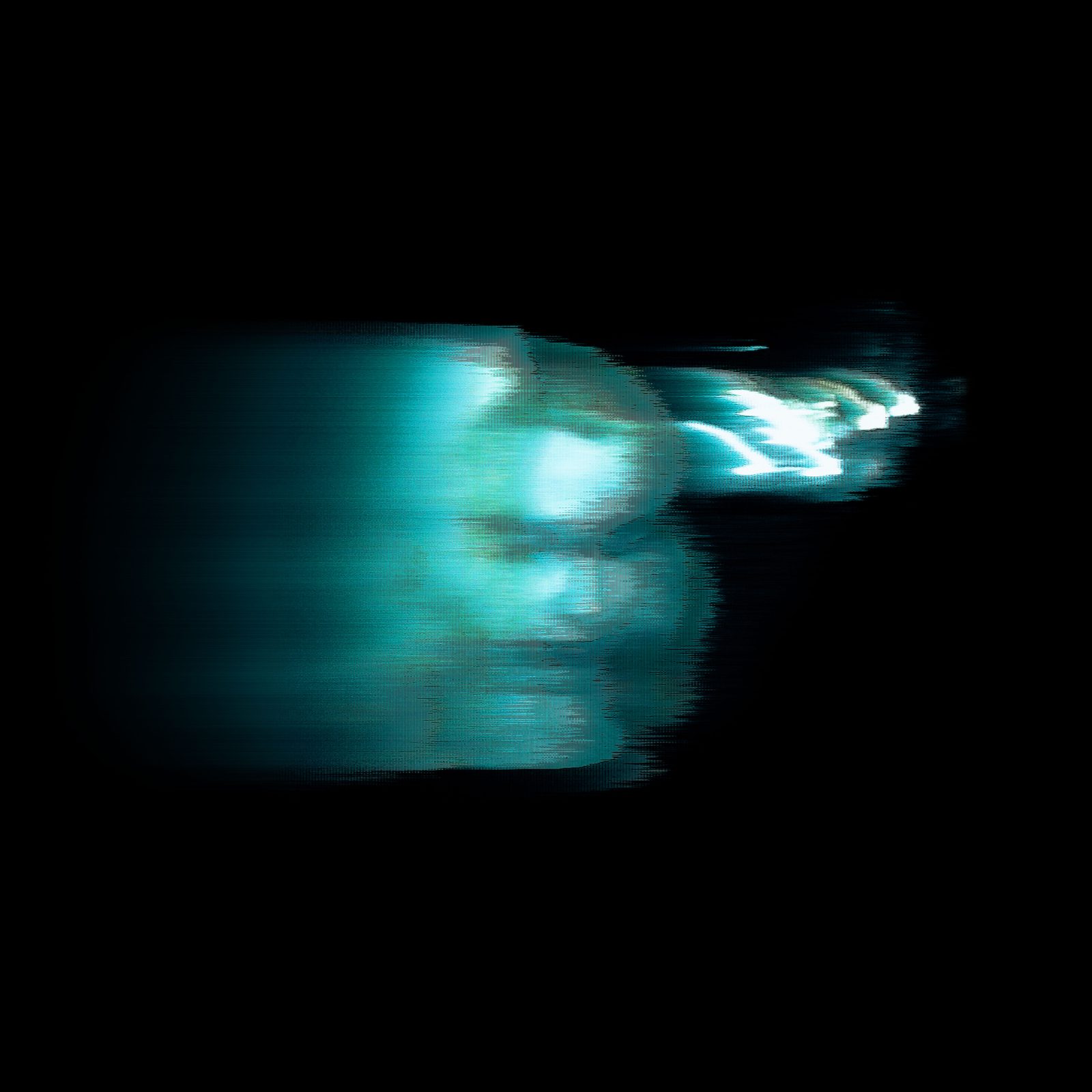
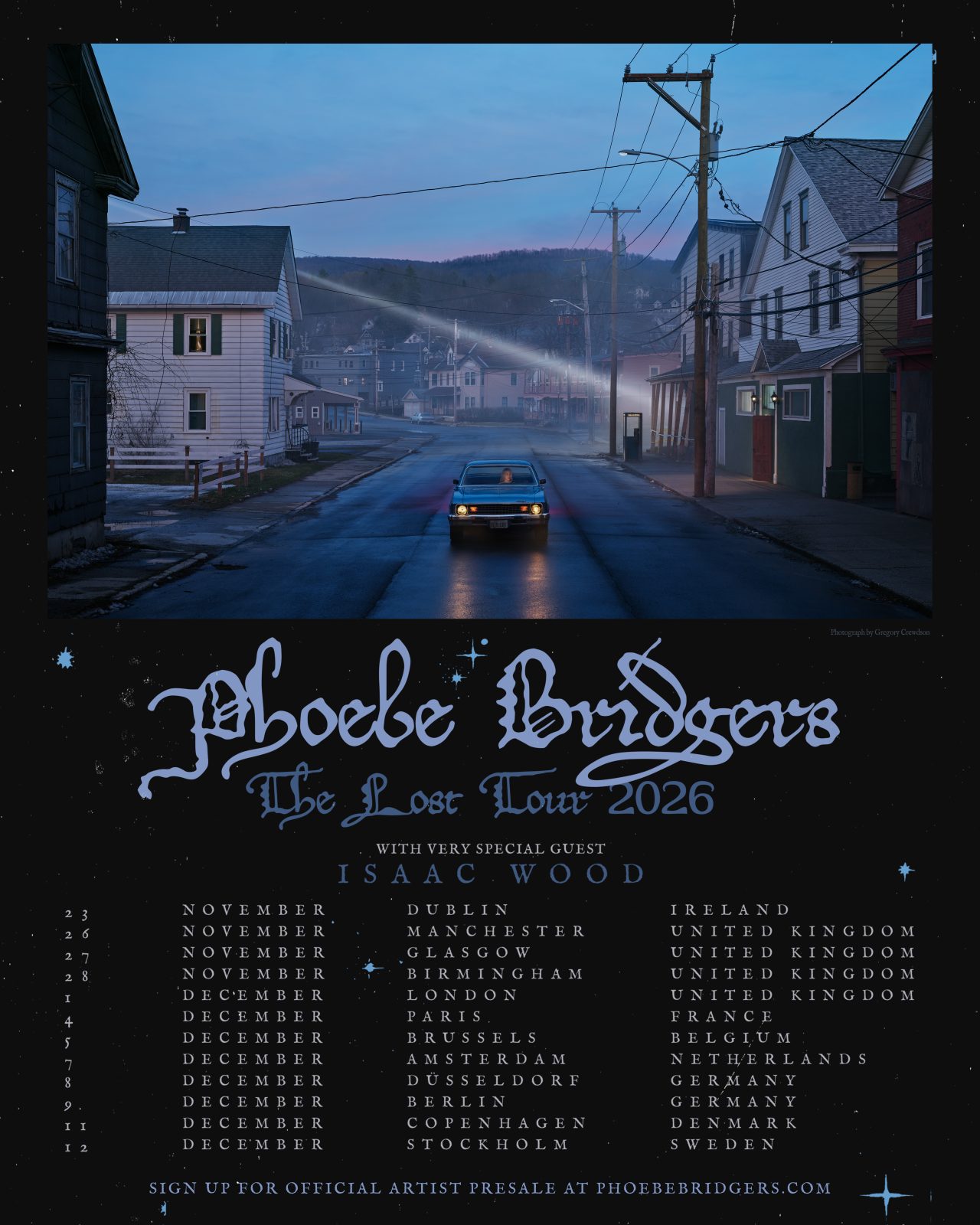
The celestial world of Lost Weekend turns an album and arena tour into one continuous image. Images: Dead Oceans.
Lost Weekend refuses the obvious climax
Across 16 tracks and more than 50 minutes, Lost Weekend repeatedly approaches the big release and then steps sideways. Opener “The Outside” disguises Bridgers beneath a vocoder and disruptive pauses. “Other Plans” reduces an emotionally expansive idea to piano, one verse and a chorus. Even when the title track opens into a strobe-lit remix, it feels less like triumph than a memory being processed in real time.
This is not minimalism as tasteful decoration. The quiet keeps changing shape. “Bobby” adds shoegaze weight through guitar work from Godflesh’s Justin Broadrick and American Football’s Mike Kinsella. “Kill Me” turns silence into tension, while “Panorama” moves toward the instrumental. The album can fill an arena, but it keeps rewarding the listener who moves closer.

After boygenius, solitude became a choice
The communal success of boygenius changed the meaning of a Phoebe Bridgers solo record. With Julien Baker and Lucy Dacus, vulnerability became physical: three voices colliding, three bodies leaning into one microphone, friendship staged as protection. The project’s scale proved Bridgers could be part of a rock spectacle without becoming less precise.
Lost Weekend moves back into experiences that cannot be evenly divided. It circles the death of her estranged father, the disorientation of success and the frightening optimism of new love. Baker and Dacus still appear, and the credits include longtime collaborators Tony Berg and Ethan Gruska alongside Jack Antonoff, Alex G and Caroline Shaw. Yet the emotional point of view remains deliberately solitary. The room is full; the reckoning belongs to one person.
Lost Boys turns fantasy into emotional camouflage
Lead single “Lost Boys” is the album’s most immediate bridge back to the crowd. Trumpets, backing vocals from Baker and Dacus and a widening chorus recall the propulsion of “Kyoto,” but the song is interested in people who confuse movement with escape. Its video transforms that idea into a suburban Renaissance fantasy, casting Bridgers as an elven figure who pulls Skyler Gisondo’s convenience-store clerk into a world of armour, motorcycles and role-play.
The joke works because the visual is extravagant while Bridgers remains almost still at its centre. Around her, men perform heroism and disappear into a game. She watches. It is the clearest image of this era: fantasy everywhere, emotional distance preserved.
Quiet is not the same as small
Bridgers now occupies a strange position. She is both the architect of a sound and the artist expected to escape its influence. Raising her voice would have been the easiest way to signal evolution. Instead, Lost Weekend deepens the pauses, complicates the arrangements and trusts that attention can be more powerful than volume.
That is why the return feels so assured. Six years of expectation arrive, and Bridgers does not fight to be heard over them. She waits until the noise lowers itself.