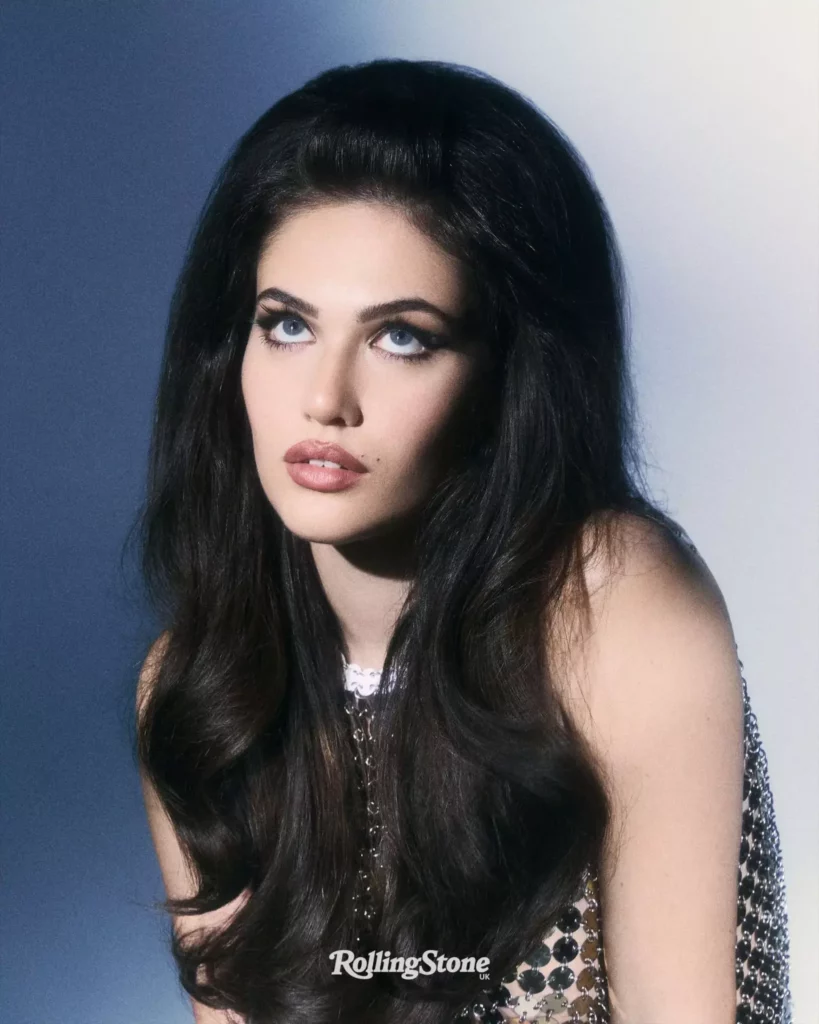
Sienna Spiro looks like she walked out of a lost 1964 television broadcast and immediately opened TikTok.
The hair is high. The eyeliner is sharp enough to sign paperwork. Vintage silhouettes turn her into a one-woman girl group before she has sung a note. Then she does sing—and every easy visual assumption gets blown through the ceiling. That voice is smoky, cracked, enormous and indecently alive. It does not accessorise the image. It eats it.
At 20, the London singer has already built a world that feels instantly legible: Ronettes glamour, jazz-club phrasing, catastrophic romance and the kind of face that understands a close-up. But Spiro is not playing retro dress-up. The references are old; the emotional mess is aggressively now. Her debut album, Visitor, sounds like someone handed a Notes-app confession to an orchestra and told everybody to make it hurt beautifully.

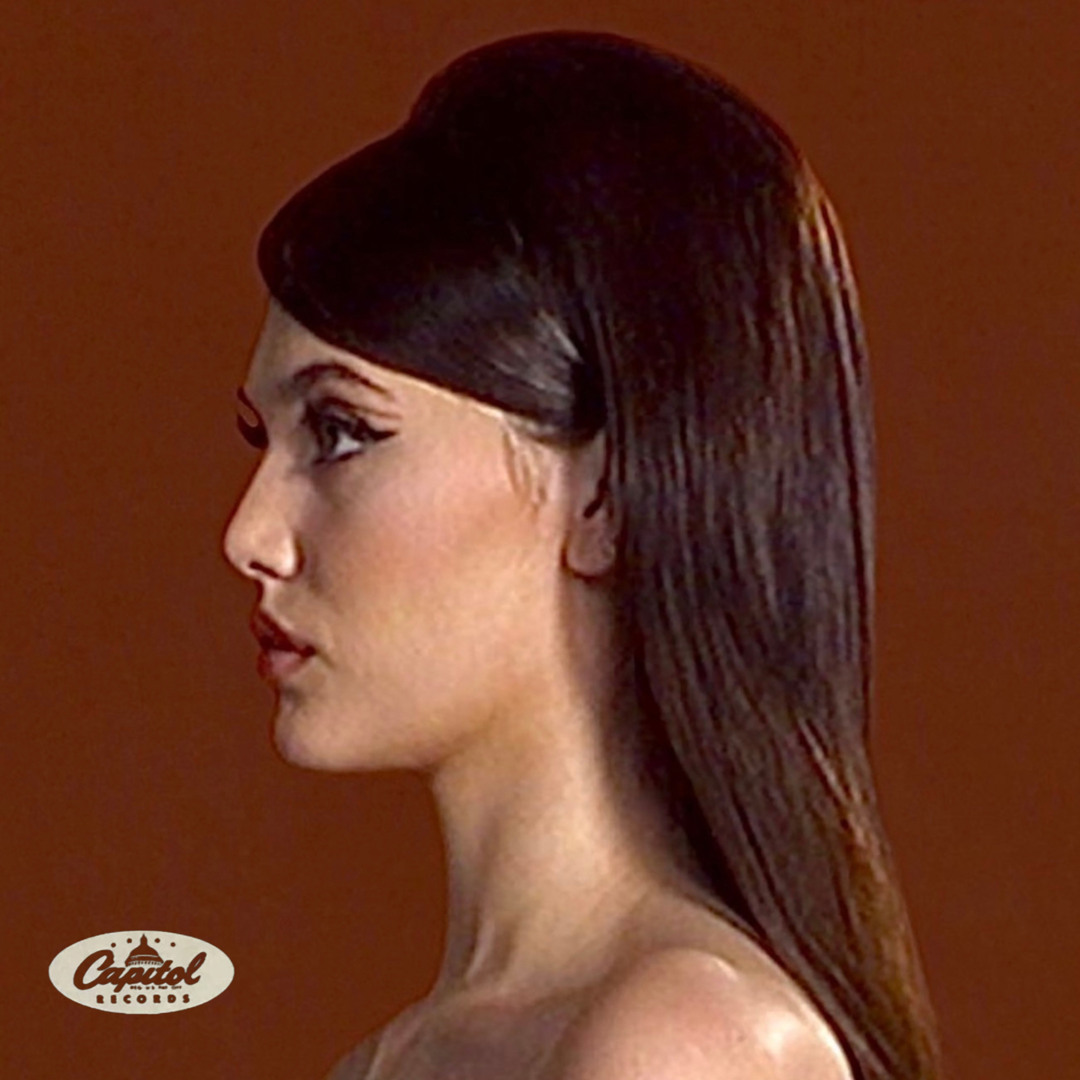
The beehive is armour, not costume
Spiro grew up around the records her father loved—Frank Sinatra, Nina Simone, Etta James, Aretha Franklin, Marvin Gaye—and learned to sing by climbing inside jazz standards. Billie Holiday and Ella Fitzgerald became teachers. Barbra Streisand, the Shangri-Las, the Supremes and the Ronettes supplied a visual grammar: the movement, the hair, the dangerous precision of a woman standing very still while the song detonates around her.
She still goes vintage shopping alone with headphones on. She has spoken about being insecure away from the stage, and that makes the look more interesting. The beehive is not nostalgia bait; it is self-invention with structural engineering. The winged liner is not a trend report. It is a door she draws around herself before walking through it.
Spiro is blunt about the hierarchy: “I’m not a fashion girl. I’m a musician.” Good. The clothes work because they never feel like the main event. They are another layer of volume—a way into the person she becomes when the first piano chord lands and ordinary Sienna disappears. She says the best performances leave her unable to remember them afterwards. Blackout as creative method. Possession, but chic.
That transformation is central to her appeal. Offstage, she can be funny, self-aware and openly unsure of herself. Onstage, doubt gets a microphone and suddenly sounds like authority. She does not erase vulnerability. She gives it better posture.
Her voice arrives with fingerprints
Before Capitol, sold-out rooms and a billion-plus streams, there were covers filmed from her bed or the floor of a shower. Spiro began writing at 10, attended East London Arts & Music and left school as a teenager to chase the thing full-time. One social clip led her to the manager who still works beside her. The origin story is extremely 2020s. The instrument sounds like it has been smoking backstage since 1962.
Part of that texture comes from vocal nodes. They give her tone its unmistakable rasp, but they have also made singing physically difficult and once caused her to lose her voice repeatedly. Spiro does not polish the evidence away. She records songs in full takes, avoids leaning on Auto-Tune and keeps the breaths, breaks and occasional rustle of a dress. In a pop economy obsessed with making the human voice frictionless, hers comes with fingerprints all over it.
That choice changes how the songs land. Plenty of singers can hit a huge note. Spiro knows how to let the note arrive slightly wounded. She can pull it until the centre frays, release it, then come back with terrifying control. The crack is not a defect in the performance. It is the moment the performance tells the truth.
She also knows melody is physical. Her songs are full of phrases that feel less written than discovered in the body—low murmurs opening into towering choruses, restraint turning into impact without warning. You do not simply hear the emotional escalation. Your ribs are invited to participate.


Her songs make bad decisions look cinematic
Visitor begins with This Is My House, and the title fits Spiro better than any polite introduction could. Piano, brass and strings build an expensive emotional staircase; she takes the top step immediately. It is a declaration of ownership from an artist whose album is otherwise obsessed with feeling temporary.
We’re Not In Love understands the particular pornography of a situationship: all access, no ownership, the body arriving before the promise. Spiro refuses to turn the contradiction into wellness content. She lets desire be undignified and gorgeous. Her songs know the embarrassing truth: sometimes you see the red flag and simply decide it matches the lipstick.
Great Expectation turns waiting for someone into a full theatrical production. Spiro wrote it from the fantasy that a man might finally appear outside her New York apartment. He never arrived. The song does. Its verses pace the hallway; its chorus throws open every window. She does not merely hope—she manufactures an alternate reality and furnishes it beautifully.
Then there is Die On This Hill, the song that pushed her from impressive newcomer to global emotional hazard. It began with a mistake while she was trying to play Bohemian Rhapsody on the piano. What emerged was a monument to stubborn love: staying when leaving would be cleaner, choosing devotion after dignity has already packed a bag. Her vocal does not float above the piano. It grips the instrument by the collar.
He’s Not My Baby, I’m His twists possession into something stranger and hotter. The title arrives wearing red lipstick and questionable judgment. Pure looks inward, asking what remains after your identity has been edited by somebody else’s gaze. The Visitor names the fear underneath almost everything she writes: being temporary in the life of someone you wanted to call home.

Old soul. Very current damage.
This is the tension that makes Sienna Spiro feel like a person rather than a beautifully assembled moodboard. The references are Sinatra and Simone; the relationships are situationships. The visuals suggest a television special with three channels; the career began on a platform with an infinite scroll. She records in full takes, then reaches millions through algorithms. Nothing about that collision is accidental, even when the performance sounds gloriously out of control.
She is often compared with the great British belters who came before her. The lineage is audible, but imitation is not the story. Spiro’s real signature is how little shame she brings to intensity. She is not embarrassed by the enormous chorus, the obsessive thought, the vintage dress, the need to be loved permanently or the fact that she knows permanence is impossible. Tastefulness can keep its coat on. She came to feel everything.
Time, You & Me turns fragility into late-night cinema. You Stole The Show examines romance as performance—the version of yourself you put under lights hoping somebody stays for the encore. Finally, Mono No Aware lets the grip soften. After an album spent trying to hold people still, Spiro reaches the Japanese idea of finding beauty in transience. The arrangement turns jazzier, lighter, almost airborne. Nobody is forced to stay. The moment matters anyway.
Even the deluxe tracks deepen the portrait. MAYBE. carries the early rawness that first made people stop scrolling. Material Lover slips her voice into fashion-film gloss. Autumn Leaves returns her to the jazz language that taught her how to sing. Reworked versions of You Stole The Show and Die On This Hill expose the songs’ bones—and prove the spectacle was never hiding weak material.
Sienna Spiro is not interesting because she seems older than 20. She is interesting because she makes being 20 sound enormous: romantic, insecure, theatrical, self-inventing and completely unwilling to feel anything by half. The beehive can touch the ceiling. The voice is still bigger.
Visitor may be obsessed with the fear of passing through. Sienna Spiro does not sound temporary. She sounds like the person the room will be talking about after everybody else has left.