Perfection has started to look nervous. You can see the effort in every erased pore, locked lip line and curl forced to hold its position until the camera is satisfied. The immaculate face once promised control. Now it can read like panic with excellent lighting.
Beauty is getting its pulse back. Lipstick is bleeding past the border. Skin looks warm, damp and recently touched. Eyes are smoked into soft bruises; hair has stopped pretending wind, sweat and another person’s hands do not exist. The face is no longer arriving untouched. It has a past tense.
The runway has finally stopped pretending beauty happens in daylight. Dilara Findikoglu rubbed the face with the residue of a night already lived. Simone Rocha put metal through the brow and let the hair mat into itself. Matières Fécales turned the face into an immaculate post-op hallucination: bruising, bandages and a red mouth refusing to behave like an apology. These are not faces waiting to be admired. They look like they know where the back door is.

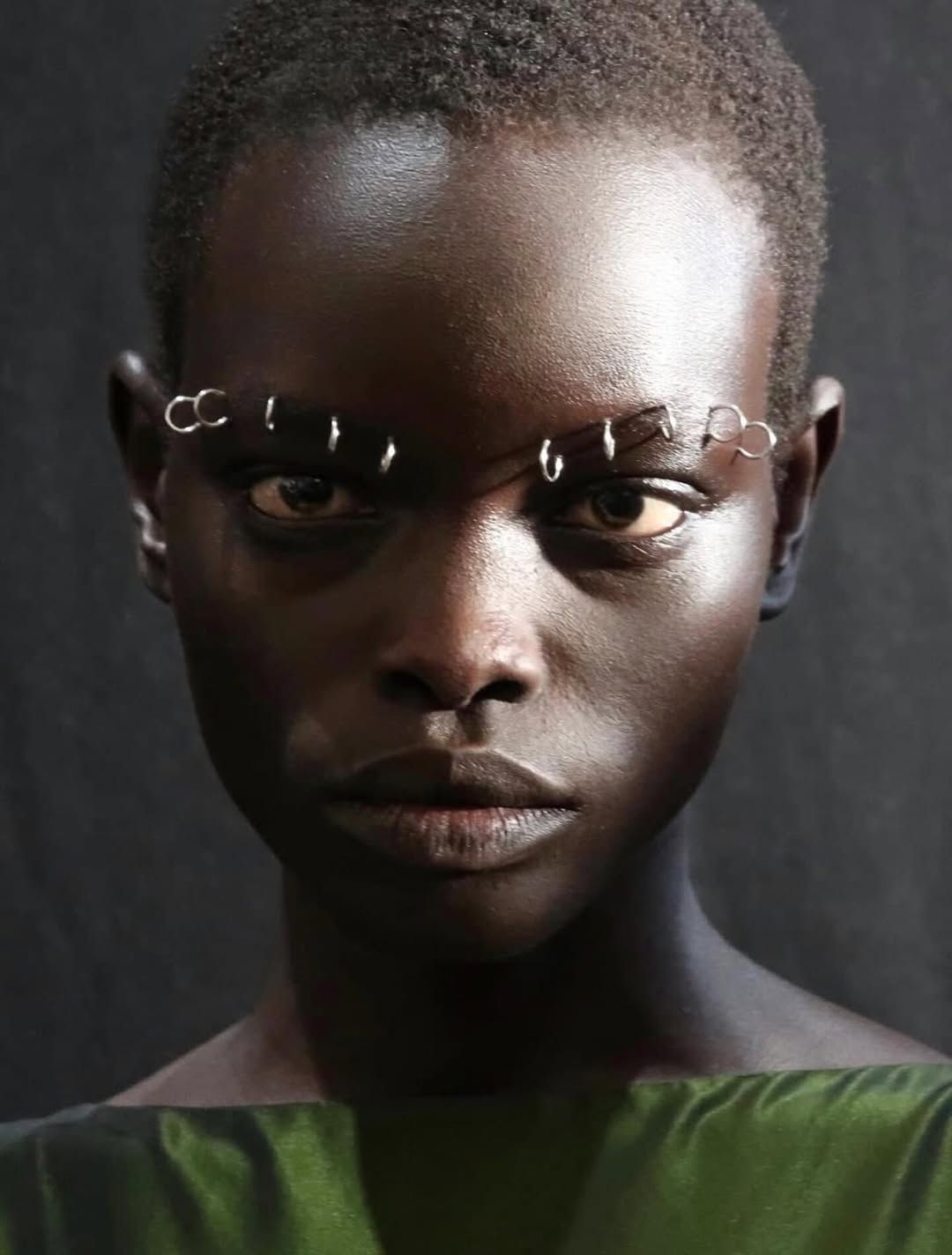
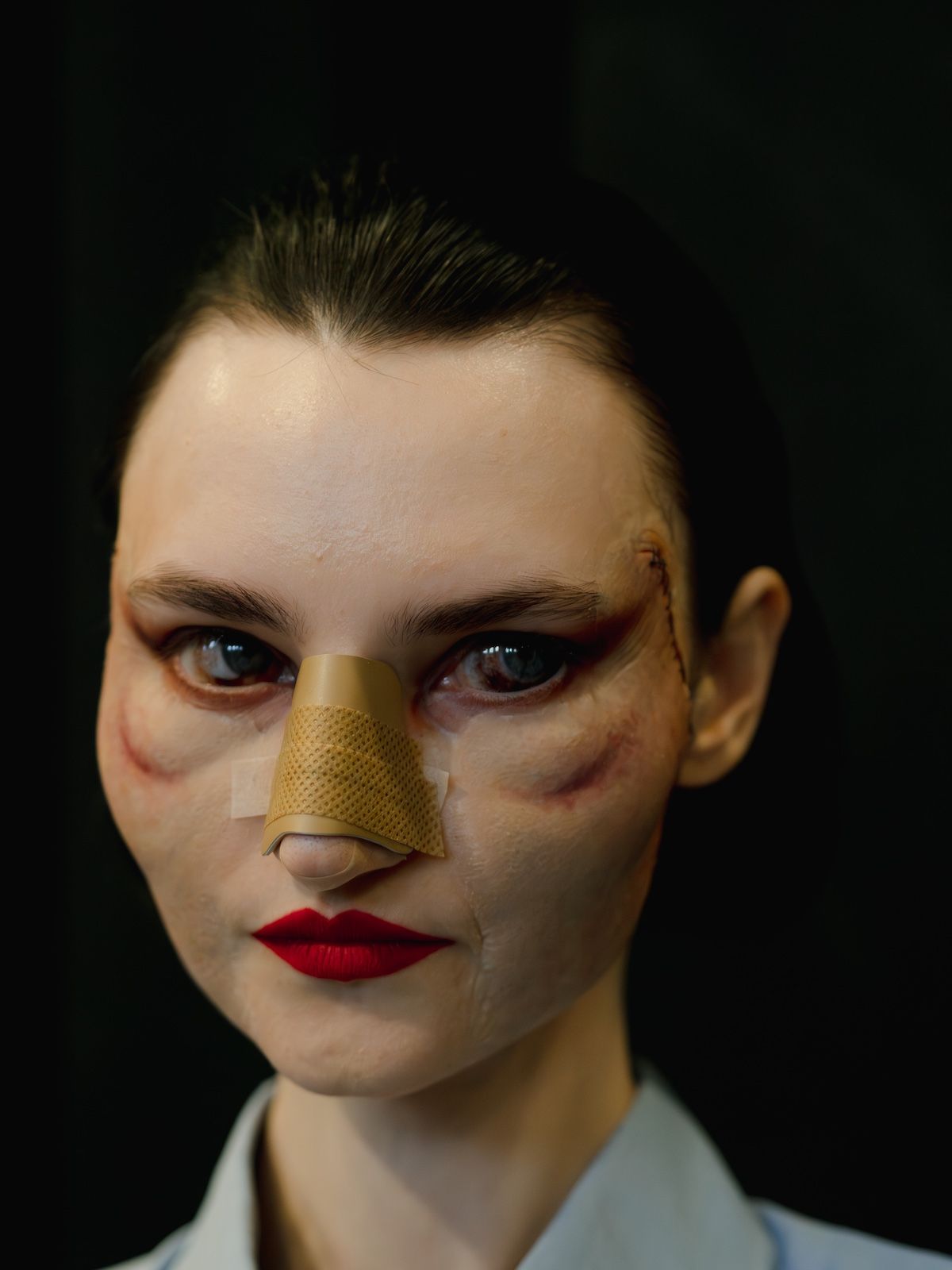
The face stopped asking permission
The mood was already breaking open at AW26. Prada paired raccoon liner with escaping ponytails. Dior wanted the trace of yesterday’s kohl. Schiaparelli called for morning-after makeup; Junya Watanabe let black pigment stream down the face like the night had refused to end on schedule. This is not anti-glamour. It is glamour with evidence left at the scene.
The distinction matters. “Messy” beauty is still authored: mascara is dragged to a deliberate depth, lipstick is pressed until its edges breathe, shine is placed where heat would naturally find it. The fantasy is not neglect. It is movement. A flawless base freezes the wearer at 8 p.m.; a lived-in face imagines what happened at midnight, at four, on the first train home.
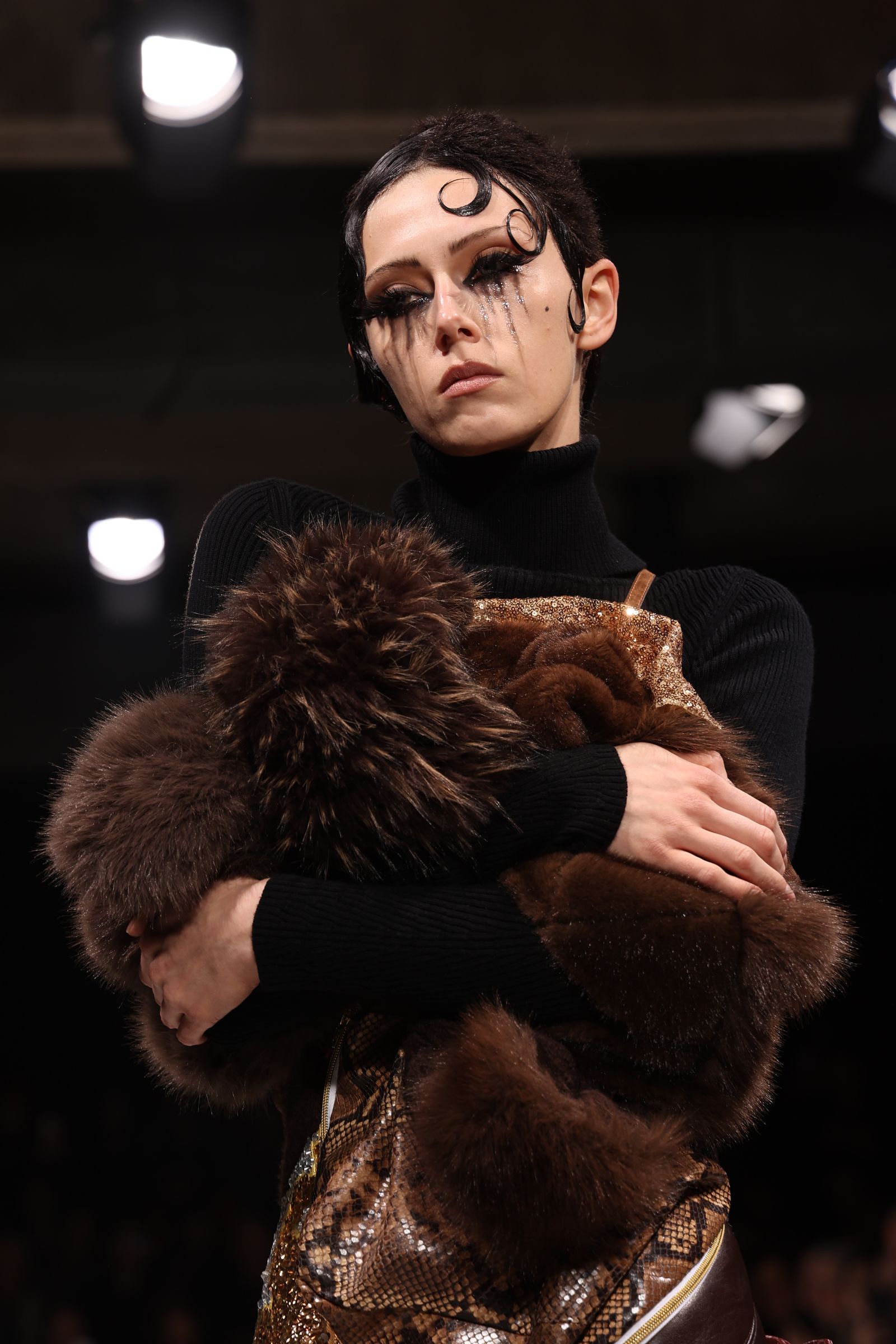
The club did it before the runway
Europe’s clubs have always understood that makeup improves after it loses authority. In Berlin, a hard black eye softens under heat until it belongs to the whole night. In London, liner survives the basement, the pavement and the night bus as three different looks. In Paris, a red mouth leaves the apartment immaculate and reaches the afters as a stain. Nobody stops dancing to protect the contour.
That is why the look feels alive now. The clean-girl face turned beauty into proof of discipline: hydrated, groomed, optimised and suspiciously untouched by appetite. Slept-in makeup breaks that contract. It says the body went somewhere, wanted something and did not spend the night protecting its own image.
Street style has followed. London has made black lipstick and imperfect bleach feel less like costume than punctuation; Paris has turned the post-show face into its own category of glamour. The attraction is not looking exhausted. It is looking unedited. There is a difference between a face in collapse and a face released from supervision.

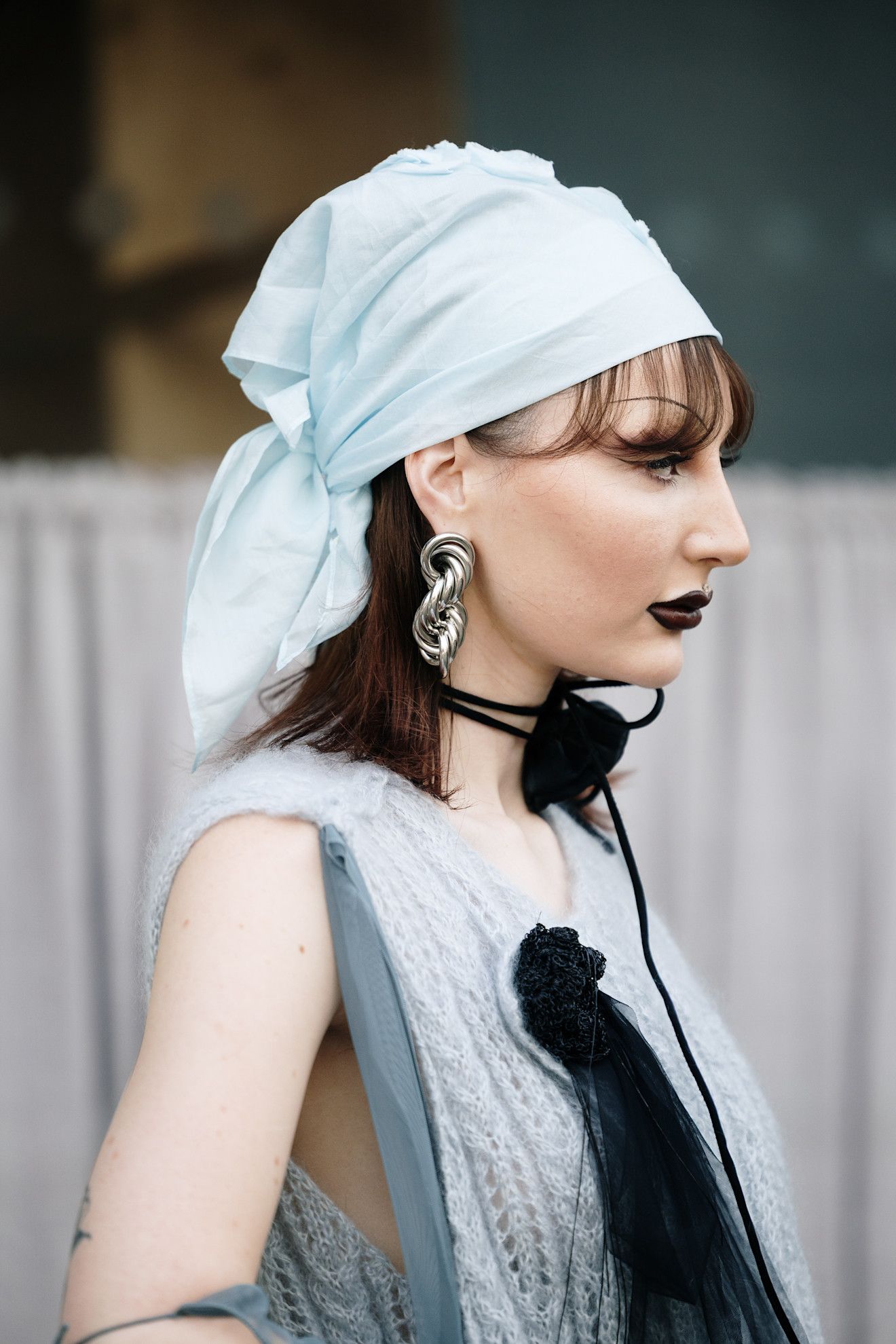
Stop touching it up
The irony, naturally, is that fashion will sell the appearance of not trying with military precision. Fine. Let it. A beauty trend does not have to be innocent to be useful. This one gives the face permission to change in public—and makes the change part of the look instead of a flaw to erase.
Looking perfect suddenly feels desperate because perfection leaves no room for a life to occur. The most magnetic face in the room is no longer the one nobody touched. It is the one that looks like it had somewhere better to be.