
Fashion
Why Fashion Can’t Stop Looking Back at the 2000s
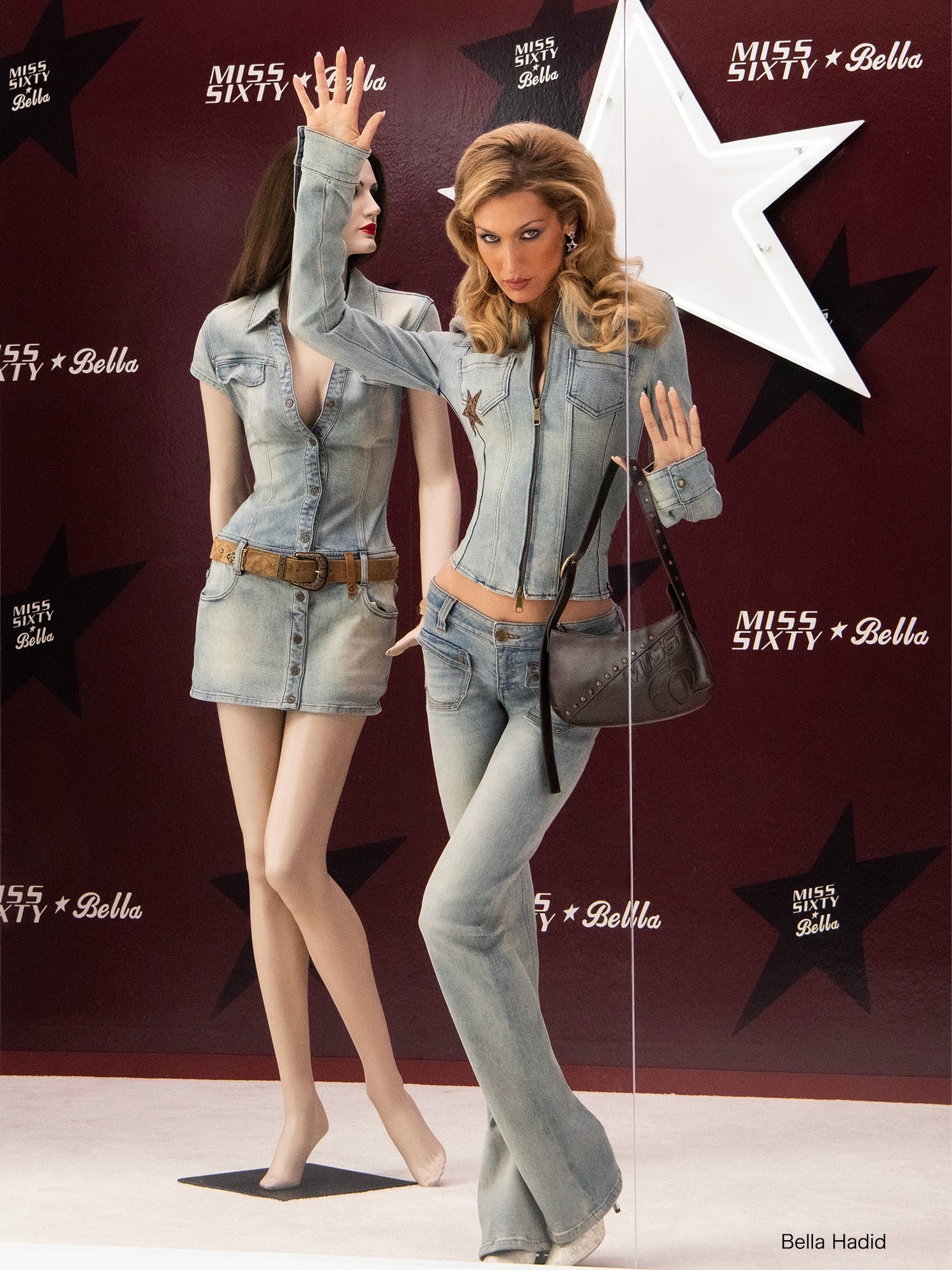
Low-rise denim, velour, It-bags and unapologetically bad taste keep returning. The 2000s are no longer a revival — they have become part of fashion’s permanent vocabulary.
Text
Noah Cruz
Fashion has been promising to move on from the 2000s for years. It just never quite does. Low-rise jeans survived the first wave of Y2K nostalgia, ballet flats returned, bootcut denim followed, and even the pieces that once seemed too ridiculous to come back have slowly found their way into wardrobes again.
By 2026, the interesting part is no longer that the early 2000s are fashionable again. It is how completely their visual language has been absorbed into contemporary style. Low waists, dramatic flares, tiny tops and oversized accessories no longer feel like costume. They have become part of the normal fashion vocabulary.

THE CLOTHES NEVER REALLY LEFT
The easiest explanation is that the clothes are simply good at creating an image. Early-2000s fashion was built around silhouettes that were immediately legible: trousers hanging low on the hips, tiny tops, flared legs, obvious handbags, glossy accessories and clothes designed to be noticed rather than politely admired.
That clarity makes the period unusually easy to revive. A low-rise jean or exaggerated flare immediately brings the decade back into the room, even when the rest of the outfit is completely modern. Denim has become one of the clearest examples because brands no longer treat these proportions as a novelty. They sell them as part of the current wardrobe.

NOSTALGIA IS ONLY HALF THE STORY
The return cannot be explained by nostalgia alone because a large part of the audience wearing these clothes barely experienced their first life. What they inherited instead was an archive of instantly recognisable images: paparazzi shots, music videos, red carpets and celebrity wardrobes from a period when fashion often looked less polished and more impulsive than it does now.
That messiness is part of the appeal. The 2000s could be glamorous, cheap-looking, sexy, tacky and expensive at the same time. After years of muted palettes and heavily controlled minimalism, something as simple as a low-rise jean, tiny bag or rhinestone detail can feel surprisingly fresh.
THE 2000S HAVE BECOME A TOOLBOX
What has changed is the way fashion uses the decade. Nobody needs to dress like an exact copy of 2003 anymore. A low-rise jean can sit beside a severe blazer, a tiny shoulder bag can work with something minimal, and a velour hoodie can be pulled completely out of its original celebrity context.
That is why the 2000s have proved so difficult to replace. The decade offers an unusually deep collection of instantly recognisable ideas, and fashion can keep borrowing them one at a time without committing to a full Y2K revival.
At this point, it is less accurate to call the 2000s a comeback. Too many of their silhouettes have been around long enough to feel normal again. What started as nostalgia has quietly become part of the wardrobe.
© 2026 Frenzy Haus. All rights reserved.


Fashion
Why Fashion Can’t Stop Looking Back at the 2000s
Low-rise denim, velour, It-bags and unapologetically bad taste keep returning. The 2000s are no longer a revival — they have become part of fashion’s permanent vocabulary.
Text
Noah Cruz
Fashion has been promising to move on from the 2000s for years. It just never quite does. Low-rise jeans survived the first wave of Y2K nostalgia, ballet flats returned, bootcut denim followed, and even the pieces that once seemed too ridiculous to come back have slowly found their way into wardrobes again.
By 2026, the interesting part is no longer that the early 2000s are fashionable again. It is how completely their visual language has been absorbed into contemporary style. Low waists, dramatic flares, tiny tops and oversized accessories no longer feel like costume. They have become part of the normal fashion vocabulary.
THE CLOTHES NEVER REALLY LEFT
The easiest explanation is that the clothes are simply good at creating an image. Early-2000s fashion was built around silhouettes that were immediately legible: trousers hanging low on the hips, tiny tops, flared legs, obvious handbags, glossy accessories and clothes designed to be noticed rather than politely admired.
That clarity makes the period unusually easy to revive. A low-rise jean or exaggerated flare immediately brings the decade back into the room, even when the rest of the outfit is completely modern. Denim has become one of the clearest examples because brands no longer treat these proportions as a novelty. They sell them as part of the current wardrobe.
NOSTALGIA IS ONLY HALF THE STORY
The return cannot be explained by nostalgia alone because a large part of the audience wearing these clothes barely experienced their first life. What they inherited instead was an archive of instantly recognisable images: paparazzi shots, music videos, red carpets and celebrity wardrobes from a period when fashion often looked less polished and more impulsive than it does now.
That messiness is part of the appeal. The 2000s could be glamorous, cheap-looking, sexy, tacky and expensive at the same time. After years of muted palettes and heavily controlled minimalism, something as simple as a low-rise jean, tiny bag or rhinestone detail can feel surprisingly fresh.
THE 2000S HAVE BECOME A TOOLBOX
What has changed is the way fashion uses the decade. Nobody needs to dress like an exact copy of 2003 anymore. A low-rise jean can sit beside a severe blazer, a tiny shoulder bag can work with something minimal, and a velour hoodie can be pulled completely out of its original celebrity context.
That is why the 2000s have proved so difficult to replace. The decade offers an unusually deep collection of instantly recognisable ideas, and fashion can keep borrowing them one at a time without committing to a full Y2K revival.
At this point, it is less accurate to call the 2000s a comeback. Too many of their silhouettes have been around long enough to feel normal again. What started as nostalgia has quietly become part of the wardrobe.
© 2026 Frenzy Haus. All rights reserved.

Fashion
Why Fashion Can’t Stop Looking Back at the 2000s
Low-rise denim, velour, It-bags and unapologetically bad taste keep returning. The 2000s are no longer a revival — they have become part of fashion’s permanent vocabulary.
Text
Noah Cruz
Fashion has been promising to move on from the 2000s for years. It just never quite does. Low-rise jeans survived the first wave of Y2K nostalgia, ballet flats returned, bootcut denim followed, and even the pieces that once seemed too ridiculous to come back have slowly found their way into wardrobes again.
By 2026, the interesting part is no longer that the early 2000s are fashionable again. It is how completely their visual language has been absorbed into contemporary style. Low waists, dramatic flares, tiny tops and oversized accessories no longer feel like costume. They have become part of the normal fashion vocabulary.
THE CLOTHES NEVER REALLY LEFT
The easiest explanation is that the clothes are simply good at creating an image. Early-2000s fashion was built around silhouettes that were immediately legible: trousers hanging low on the hips, tiny tops, flared legs, obvious handbags, glossy accessories and clothes designed to be noticed rather than politely admired.
That clarity makes the period unusually easy to revive. A low-rise jean or exaggerated flare immediately brings the decade back into the room, even when the rest of the outfit is completely modern. Denim has become one of the clearest examples because brands no longer treat these proportions as a novelty. They sell them as part of the current wardrobe.
NOSTALGIA IS ONLY HALF THE STORY
The return cannot be explained by nostalgia alone because a large part of the audience wearing these clothes barely experienced their first life. What they inherited instead was an archive of instantly recognisable images: paparazzi shots, music videos, red carpets and celebrity wardrobes from a period when fashion often looked less polished and more impulsive than it does now.
That messiness is part of the appeal. The 2000s could be glamorous, cheap-looking, sexy, tacky and expensive at the same time. After years of muted palettes and heavily controlled minimalism, something as simple as a low-rise jean, tiny bag or rhinestone detail can feel surprisingly fresh.
THE 2000S HAVE BECOME A TOOLBOX
What has changed is the way fashion uses the decade. Nobody needs to dress like an exact copy of 2003 anymore. A low-rise jean can sit beside a severe blazer, a tiny shoulder bag can work with something minimal, and a velour hoodie can be pulled completely out of its original celebrity context.
That is why the 2000s have proved so difficult to replace. The decade offers an unusually deep collection of instantly recognisable ideas, and fashion can keep borrowing them one at a time without committing to a full Y2K revival.
At this point, it is less accurate to call the 2000s a comeback. Too many of their silhouettes have been around long enough to feel normal again. What started as nostalgia has quietly become part of the wardrobe.
Get Frenzy straight to your inbox!
Latest
Rachel Leigh Green: The Dolls Are Plastic. The Obsession Isn’t.
Art & Photography

FRENZY FREQUENCY 001: Your Algorithm Has No Taste
Music

Alicia Creti Makes Losing Your Shit Sound Expensive
Music

Miu Miu Killed the Outfit and Left It in Micro-Shorts
Fashion

Hermès Put Quiet Luxury in Its Underwear
Fashion

Lacoste Just Kicked Tennis Whites Out of the Club
Fashion

The Vampire Diaries’ Deadliest Parties, Ranked
Film & TV

Vivienne Westwood Just Put Good Taste Through a Nervous Breakdown
Fashion

The FRENZY Interview: Bo Quinn Makes Beauty Misbehave
Beauty

Megan Fox Is Giving Erectile Dysfunction a Red-Hot Rebrand
Life & Culture
© 2026 Frenzy Haus. All rights reserved.
