
Fashion
Why Quiet Luxury Had to Get Weird Eventually
Beige cashmere isn't dead. Fashion has simply remembered that expensive clothes are allowed to have a personality.
Text
Noah Cruz
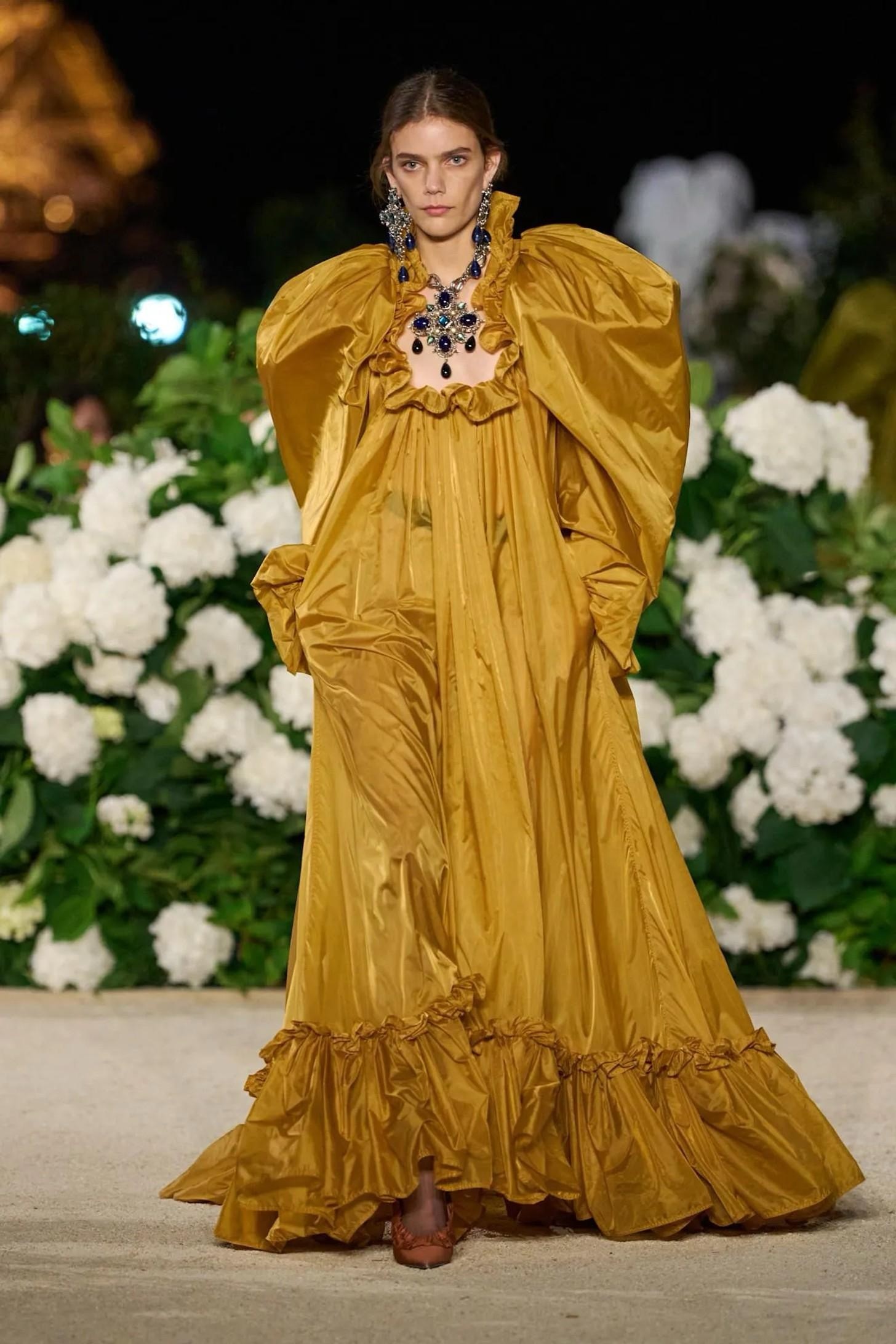
For a while, luxury seemed determined to prove how expensive it was by showing almost nothing at all. Logos disappeared, colours softened and wardrobes filled with cashmere, perfect trousers and beautifully made coats in every possible variation of beige. Quiet luxury made sense as a reaction to years of obvious branding and internet-driven trends, but fashion was never going to whisper forever.
By 2026, the immaculate basics are still here. They are just increasingly surrounded by sharper shoulders, stronger colour, strange proportions and clothes that actually want to be looked at. Quiet luxury hasn't disappeared. It has simply stopped being the only acceptable definition of good taste.
BEIGE WAS NEVER GOING TO BE ENOUGH
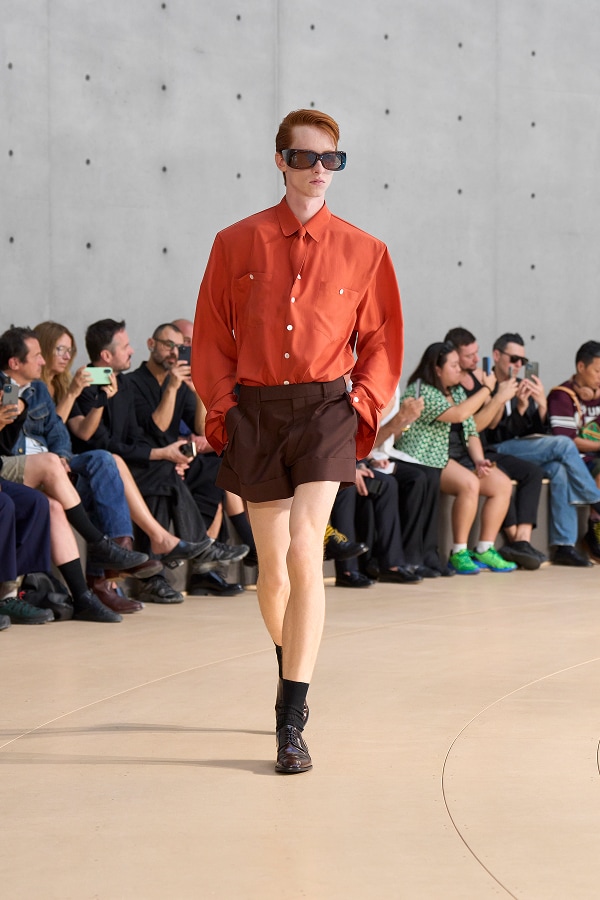
Quiet luxury worked because it offered relief. When everything online was competing for attention, an anonymous coat and perfectly cut pair of trousers could feel almost rebellious. The emphasis moved away from obvious branding and towards fabric, construction and fit. Luxury had to prove itself through the object rather than the logo printed across it.
The problem came when restraint became its own uniform. Once every version of aspiration started arriving in camel, cream, grey and black, understatement stopped feeling particularly individual. Fashion had removed so much that eventually there was only one obvious direction left to go: start adding things back.
PERSONALITY IS BACK IN THE ROOM
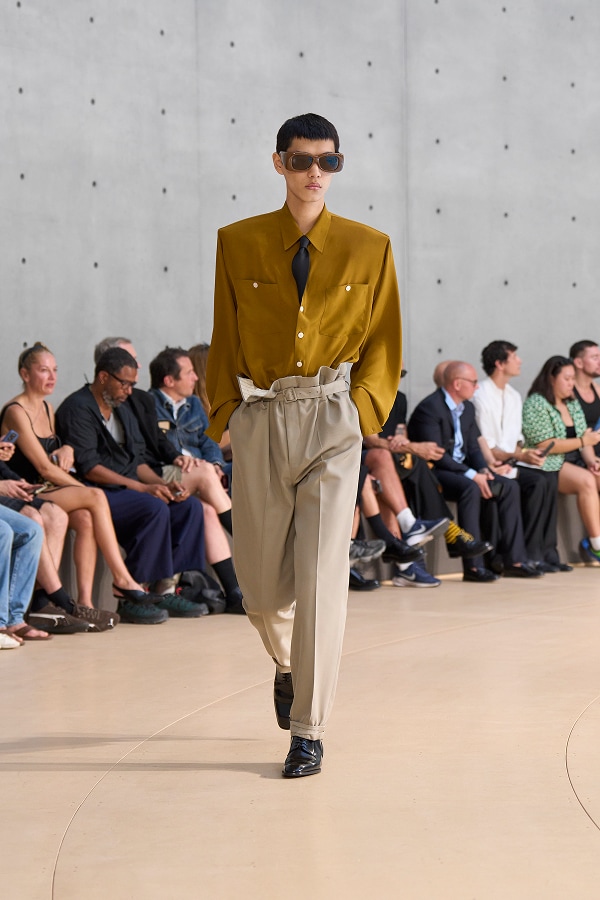
The interesting shift isn't a complete return to maximalism. It is happening somewhere between restraint and excess. Tailoring can remain immaculate but arrive in a colour that refuses to disappear into the background. A controlled silhouette can still feel sensual, strange or slightly exaggerated without losing the precision that made quiet luxury attractive in the first place.
That tension is more useful than choosing between minimalism and maximalism. A beautifully made black coat has not suddenly stopped being desirable. What has changed is the idea that sophistication requires invisibility. Luxury can be beautifully constructed and still have a personality.
LUXURY IS BETTER WHEN IT TAKES A RISK
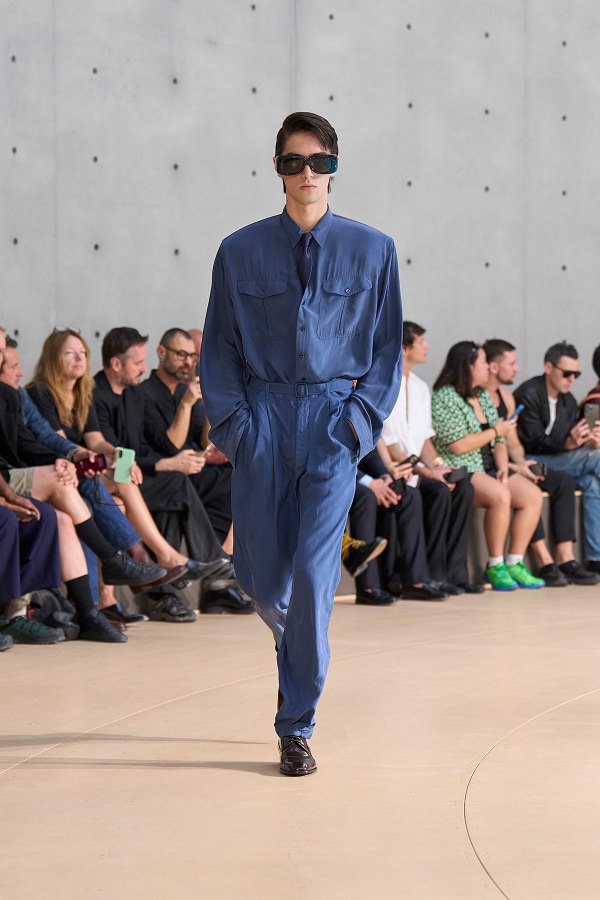
The timing makes sense. Fashion moves through reactions, and years of controlled understatement were always going to create an appetite for something less polite. The strongest version of what comes next does not abandon everything quiet luxury got right. Good fabric, construction and longevity still matter. The difference is that those things no longer have to arrive disguised as restraint.
Maybe that is what quiet luxury was useful for in the first place. It reminded fashion that quality matters, then stayed around long enough for everyone to become bored with looking at it in exactly the same way.
Good taste doesn't have to whisper. Sometimes it can be strange, colourful and impossible to ignore and still know exactly what it's doing.
© 2026 Frenzy Haus. All rights reserved.


Fashion
Why Quiet Luxury Had to Get Weird Eventually
Beige cashmere isn't dead. Fashion has simply remembered that expensive clothes are allowed to have a personality.
Text
Noah Cruz
For a while, luxury seemed determined to prove how expensive it was by showing almost nothing at all. Logos disappeared, colours softened and wardrobes filled with cashmere, perfect trousers and beautifully made coats in every possible variation of beige. Quiet luxury made sense as a reaction to years of obvious branding and internet-driven trends, but fashion was never going to whisper forever.
By 2026, the immaculate basics are still here. They are just increasingly surrounded by sharper shoulders, stronger colour, strange proportions and clothes that actually want to be looked at. Quiet luxury hasn't disappeared. It has simply stopped being the only acceptable definition of good taste.
BEIGE WAS NEVER GOING TO BE ENOUGH
Quiet luxury worked because it offered relief. When everything online was competing for attention, an anonymous coat and perfectly cut pair of trousers could feel almost rebellious. The emphasis moved away from obvious branding and towards fabric, construction and fit. Luxury had to prove itself through the object rather than the logo printed across it.
The problem came when restraint became its own uniform. Once every version of aspiration started arriving in camel, cream, grey and black, understatement stopped feeling particularly individual. Fashion had removed so much that eventually there was only one obvious direction left to go: start adding things back.
PERSONALITY IS BACK IN THE ROOM
The interesting shift isn't a complete return to maximalism. It is happening somewhere between restraint and excess. Tailoring can remain immaculate but arrive in a colour that refuses to disappear into the background. A controlled silhouette can still feel sensual, strange or slightly exaggerated without losing the precision that made quiet luxury attractive in the first place.
That tension is more useful than choosing between minimalism and maximalism. A beautifully made black coat has not suddenly stopped being desirable. What has changed is the idea that sophistication requires invisibility. Luxury can be beautifully constructed and still have a personality.
LUXURY IS BETTER WHEN IT TAKES A RISK
The timing makes sense. Fashion moves through reactions, and years of controlled understatement were always going to create an appetite for something less polite. The strongest version of what comes next does not abandon everything quiet luxury got right. Good fabric, construction and longevity still matter. The difference is that those things no longer have to arrive disguised as restraint.
Maybe that is what quiet luxury was useful for in the first place. It reminded fashion that quality matters, then stayed around long enough for everyone to become bored with looking at it in exactly the same way.
Good taste doesn't have to whisper. Sometimes it can be strange, colourful and impossible to ignore and still know exactly what it's doing.
© 2026 Frenzy Haus. All rights reserved.

Fashion
Why Quiet Luxury Had to Get Weird Eventually
Beige cashmere isn't dead. Fashion has simply remembered that expensive clothes are allowed to have a personality.
Text
Noah Cruz
For a while, luxury seemed determined to prove how expensive it was by showing almost nothing at all. Logos disappeared, colours softened and wardrobes filled with cashmere, perfect trousers and beautifully made coats in every possible variation of beige. Quiet luxury made sense as a reaction to years of obvious branding and internet-driven trends, but fashion was never going to whisper forever.
By 2026, the immaculate basics are still here. They are just increasingly surrounded by sharper shoulders, stronger colour, strange proportions and clothes that actually want to be looked at. Quiet luxury hasn't disappeared. It has simply stopped being the only acceptable definition of good taste.
BEIGE WAS NEVER GOING TO BE ENOUGH
Quiet luxury worked because it offered relief. When everything online was competing for attention, an anonymous coat and perfectly cut pair of trousers could feel almost rebellious. The emphasis moved away from obvious branding and towards fabric, construction and fit. Luxury had to prove itself through the object rather than the logo printed across it.
The problem came when restraint became its own uniform. Once every version of aspiration started arriving in camel, cream, grey and black, understatement stopped feeling particularly individual. Fashion had removed so much that eventually there was only one obvious direction left to go: start adding things back.
PERSONALITY IS BACK IN THE ROOM
The interesting shift isn't a complete return to maximalism. It is happening somewhere between restraint and excess. Tailoring can remain immaculate but arrive in a colour that refuses to disappear into the background. A controlled silhouette can still feel sensual, strange or slightly exaggerated without losing the precision that made quiet luxury attractive in the first place.
That tension is more useful than choosing between minimalism and maximalism. A beautifully made black coat has not suddenly stopped being desirable. What has changed is the idea that sophistication requires invisibility. Luxury can be beautifully constructed and still have a personality.
LUXURY IS BETTER WHEN IT TAKES A RISK
The timing makes sense. Fashion moves through reactions, and years of controlled understatement were always going to create an appetite for something less polite. The strongest version of what comes next does not abandon everything quiet luxury got right. Good fabric, construction and longevity still matter. The difference is that those things no longer have to arrive disguised as restraint.
Maybe that is what quiet luxury was useful for in the first place. It reminded fashion that quality matters, then stayed around long enough for everyone to become bored with looking at it in exactly the same way.
Good taste doesn't have to whisper. Sometimes it can be strange, colourful and impossible to ignore and still know exactly what it's doing.
Get Frenzy straight to your inbox!
Latest

FRENZY FREQUENCY 001: Your Algorithm Has No Taste
Music

Alicia Creti Makes Losing Your Shit Sound Expensive
Music

Miu Miu Killed the Outfit and Left It in Micro-Shorts
Fashion

Hermès Put Quiet Luxury in Its Underwear
Fashion

Lacoste Just Kicked Tennis Whites Out of the Club
Fashion

The Vampire Diaries’ Deadliest Parties, Ranked
Film & TV

Vivienne Westwood Just Put Good Taste Through a Nervous Breakdown
Fashion

The FRENZY Interview: Bo Quinn Makes Beauty Misbehave
Beauty

Megan Fox Is Giving Erectile Dysfunction a Red-Hot Rebrand
Life & Culture

Tom Ford Made Voyeurism Look Expensive
Fashion
© 2026 Frenzy Haus. All rights reserved.
