On August 31, four musicians filed a proposed class action against Suno in federal court in Boston. Jason Isbell, David Lowery, Guy Forsyth and Eduardo Calle allege that the generative-music company has turned the identities of working artists into a feature: type a name, ask for a song and receive something designed to sound recognisably close to the person behind it. The case is new, the allegations are unproven and no class has been certified. Its provocation is already clear.
The complaint is not primarily asking who owns a chord progression, a lyric or a master recording. It asks who owns the moment a listener says, before seeing a credit, “that sounds like Jason Isbell.” The plaintiffs argue that Suno can arrive at that recognition by drawing on a musician’s name, voice and accumulated expressive habits without asking the musician first.
That moves the AI-music fight one inch to the left—and into far less settled territory. Copyright law is built to identify protected works. Musicians are asking a court to identify the person whose history makes those works sound like they belong together.
Four plaintiffs, one question

Martin Schumann / Wikimedia Commons

Zopheus / Wikimedia Commons
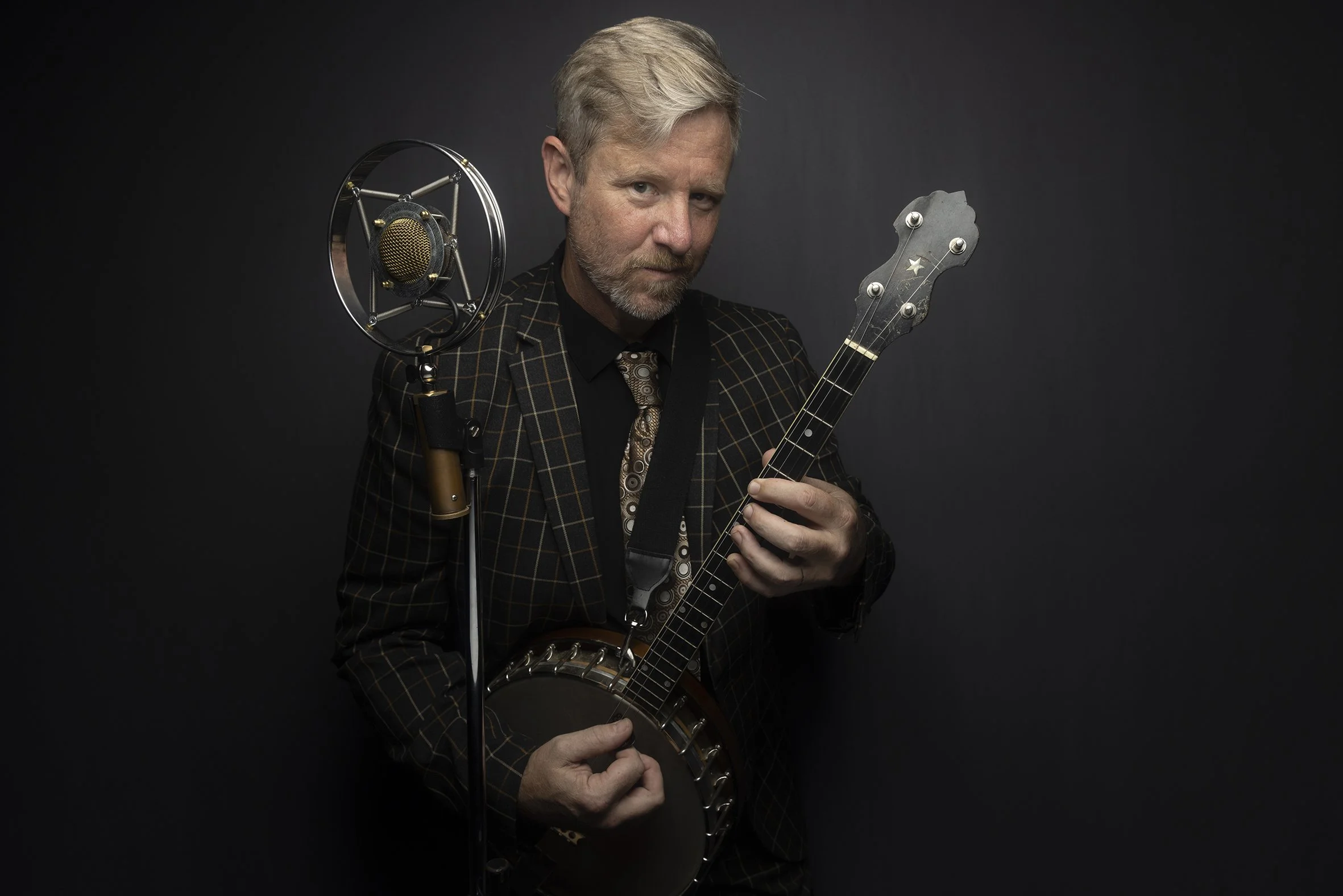
Courtesy of Guy Forsyth
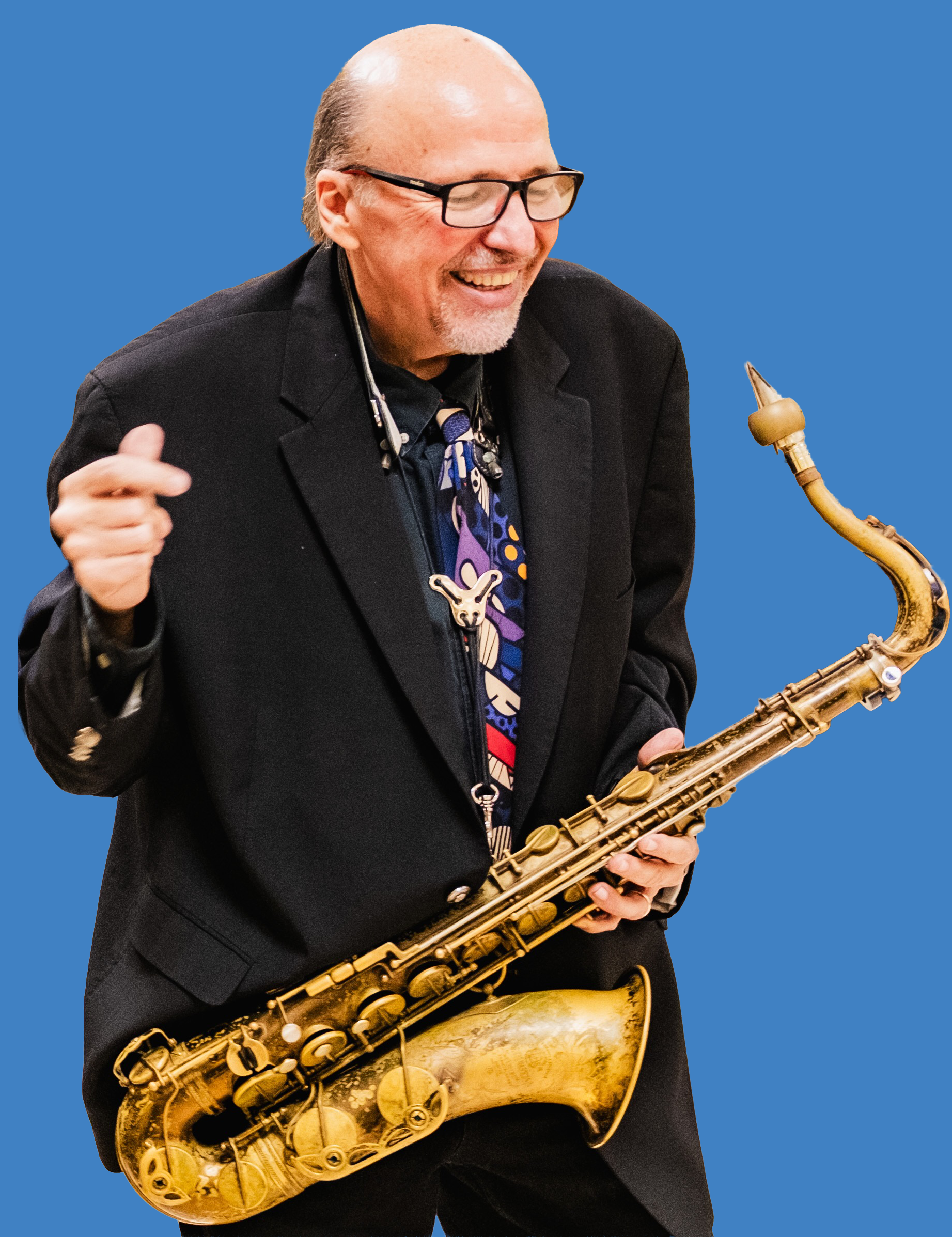
Courtesy of Ed Calle
A name becomes a retrieval key
According to the complaint and current reporting, a user can prompt Suno with the name of a musician and request a new track associated with that identity. The plaintiffs say the platform’s artist-name restrictions can be evaded with small changes to the spelling. Suno disputes the claims and says it is designed to help people make original music, not to trade on anyone else’s name.
The argument is not that every acoustic guitar, rough vocal or narrative song belongs to Isbell. Genres are shared languages. Influence passes between musicians constantly, and no serious culture could survive if one artist owned a mood. The allegation is narrower: that an artist’s name can be used as an instruction for assembling enough identifying traits to make the output legible as that artist.
This is why the prompt matters. A genre label asks for a tradition. A person’s name asks for a shortcut through one life. It turns years of decisions—how a singer places a consonant, how a guitarist attacks a note, how a writer delays a resolution—into a parameter.

The fight is not only over who owns a recording.
It is over whether recognisability itself can become a product.
Copyright sees songs. Listeners hear people.
The distinction explains why this suit does not look like the record-label cases already surrounding generative music. Those cases focus on whether copyrighted recordings were copied to train a model and whether the resulting system unlawfully reproduces protected expression. Here, the plaintiffs are pursuing claims tied to publicity, privacy and identity, including an Illinois biometric claim concerning voice data.
That route is ambitious because American law protects these interests unevenly. A recording and a composition can be registered. A voice, persona or performance identity is protected through a patchwork of state rules, contracts and context. Style by itself is generally not copyrighted. Yet commercial imitation can still create harm without reproducing one protected melody or lyric.
The U.S. Copyright Office has already warned that existing protections leave gaps around unauthorised digital replicas and recommended a federal law directed at them. The Isbell complaint tests a neighbouring question. It is not only about a cloned speaking voice or a perfect vocal double. It is about whether a model can package a broader set of attributes that audiences associate with one musician.
For listeners, that broader identity is often the point. A singer is not heard as a neutral instrument producing interchangeable notes. Biography changes the meaning of a line; reputation changes the trust placed in it; previous songs teach an audience how to interpret the next one. AI can imitate the signal of that relationship without having lived any part of it.
Royalties price the use.
Consent decides whether the use should happen at all.
A label can settle. A person can still object.
The difference between copyright and identity becomes sharper when the industry starts making deals. Warner Music Group ended its litigation with Suno in 2025 and announced a partnership built around licensed models. The company said participating artists and songwriters would be able to opt in to uses of their names, images, likenesses, voices and compositions.
That agreement does not resolve the Isbell case, but it demonstrates that consent can be designed into a product. It also exposes the question beneath the technical arguments: who is allowed to grant that consent? A label may control a master. A publisher may control part of a composition. Neither fact automatically turns the performer’s identity into corporate inventory.
The most artist-friendly AI market would therefore require more than a pool of money distributed after use. It would need a reliable yes and no before use, clear attribution, the ability to withdraw, and terms that do not force a musician to surrender identity rights simply to access the market built from them.
Suno’s answer is not a footnote
Suno has called the musicians’ claims meritless and says it will defend itself. Its public position is that the service expands access to music-making and helps users create original work. The company’s own guidelines prohibit impersonation and tell users to respect intellectual property. Those facts matter because the cultural argument becomes useless if every generative tool is treated as a machine with only one purpose.
AI music can be an instrument for people who cannot play a conventional one, a sketchbook for producers and a way to test arrangements quickly. None of that answers whether an artist’s name should function as a creative preset. The case will turn on evidence about what Suno built, what it knew, how its safeguards operate and what its outputs actually do—not on the existence of generative music in the abstract.
There is also a difference between a platform rule and a platform reality. A blocked name is meaningful only if ordinary users cannot turn it back into an instruction. A ban on impersonation is meaningful only if the product does not reward near-impersonation. The plaintiffs allege that the distance between policy and practice is the business model. Suno says it is not.
What can be taken before a dollar moves
Royalty debates tend to make the conflict sound like accounting: calculate the streams, identify the rightsholders, divide a pool. Musicians are describing losses that begin earlier. An unauthorised imitation can place words in an artist’s mouth, flatten a difficult body of work into a recognisable effect and compete for the same finite attention before anyone proves direct economic damage.
Reputation is one of those losses. A convincing sound-alike can carry politics, endorsements or aesthetic choices the artist would refuse. Bargaining power is another. If a platform can manufacture something close enough without the musician, the value of asking the musician falls. The ability to say no may be the most fragile loss of all, because refusal has no market price once the system is trained to continue without it.
This matters beyond famous plaintiffs. A global star can at least make unauthorised imitation visible. A session singer, regional songwriter or independent producer may discover that the qualities making their work employable have been absorbed before the public ever learns their name. The smaller the career, the harder it is to prove that an invisible substitution occurred.
A voice is not only audio.
It is a history someone can recognise.
The border cannot become a wall
Artists also need a legal answer that does not freeze culture. Musicians learn by imitation, scenes form through repetition and every genre contains shared gestures. A right broad enough to own a feeling would protect established names by blocking the next generation. The task is to separate influence from industrial impersonation without pretending that the separation is obvious.
Names, prompts and marketing may provide part of that border. So may evidence that an output is presented as a substitute for a particular person rather than as participation in a genre. The scale and speed of the system matter too. One singer learning from another is not identical to a product that can generate thousands of personalised approximations on demand.
The Boston court has not decided where that border lies. It has only been asked to see something copyright often misses: a musician can be copied even when no single song is. The thing at stake is the bond between a body of work and the person listeners believe is accountable for it.
If the plaintiffs succeed, the result will not make influence illegal or end generative music. It could establish that identity is not raw material merely because software can measure it. If they fail, artists may learn that the most valuable part of a career—the part audiences recognise before the title appears—is also the part the law finds hardest to name.